Exploring the transformative power of art in contemporary residence
Exploring the transformative power of art in contemporary residence
Art has always been a reflection of culture, emotion, and human experience. In contemporary residences, art transcends its traditional role as mere decoration, becoming an integral part of our living spaces. Whether through paintings, sculptures, or mixed media, art shapes our environment, influences our mood, and reinforces our identities. This article delves into the transformative power of art within contemporary homes, examining how it impacts our daily lives.
The Emotional Impact of Art
Art possesses an innate ability to evoke emotions. Different colors, textures, and forms can ignite feelings ranging from joy to contemplation. When incorporated into our homes, art creates an emotional landscape that influences how we feel in those spaces. A vibrant painting can energize a room, while serene landscapes can instill calmness. This emotional connection often leads individuals to choose artworks that resonate personally, thereby enhancing their sense of belonging.
Art as a Reflection of Identity
In contemporary residences, art serves not just as decoration but as an extension of personal identity. Homeowners can express their tastes, values, and cultural backgrounds through their art choices. Collecting pieces that resonate personally allows individuals to curate spaces that reflect their journeys, stories, and beliefs. An eclectic collection may signify a love for travel and discovery, while minimalist artworks might convey a preference for simplicity and clarity.
Creating Focal Points in Interior Design
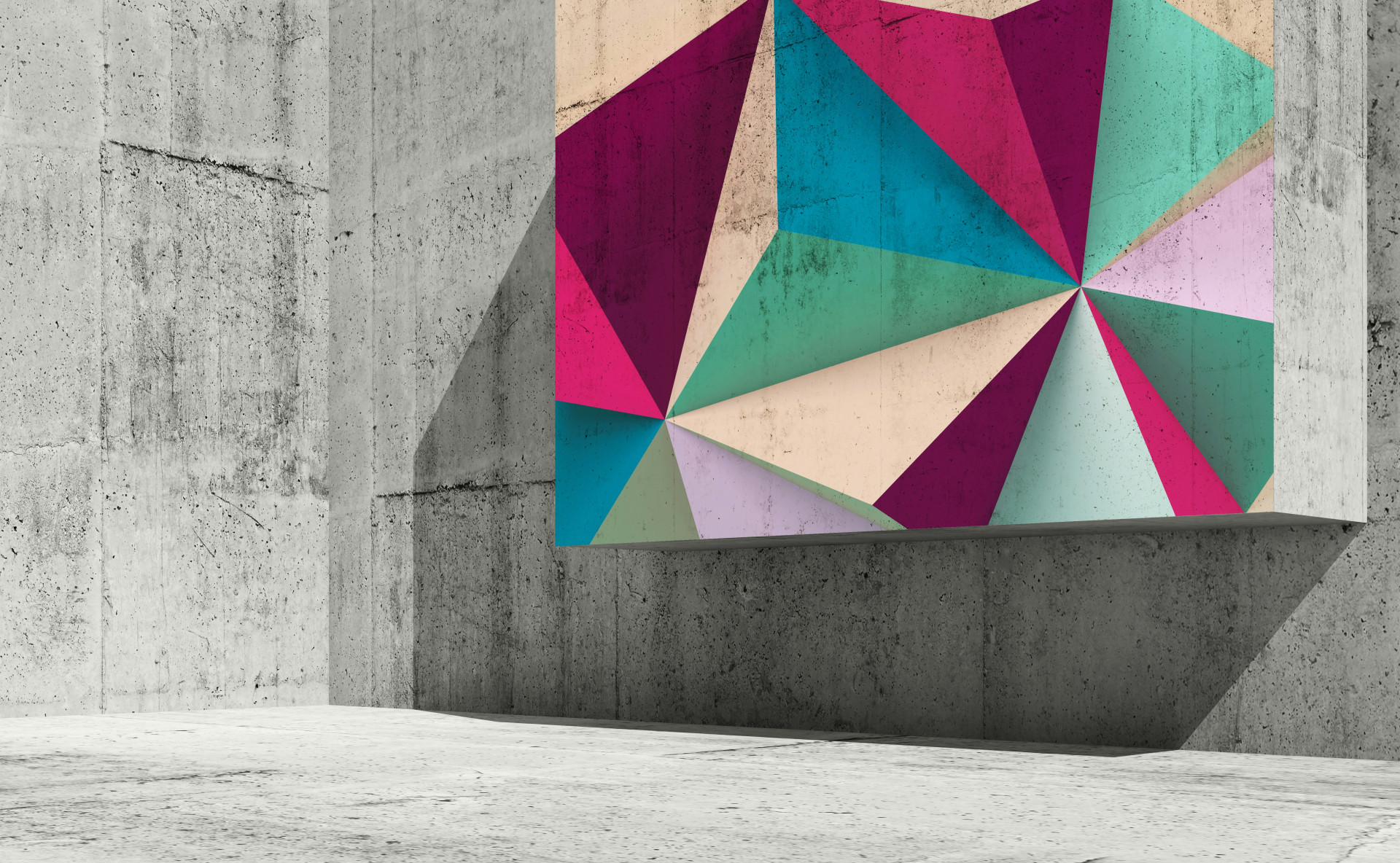
Artworks can act as striking focal points in home design, drawing attention and setting the tone for entire spaces. A large canvas can transform a blank wall into a conversation starter, while sculptures can add dimension and intrigue. Integrating art with design principles can elevate the aesthetic appeal of a home. By strategically positioning art in various rooms, residents can create a harmonious flow and enhance the overall ambiance.
Encouraging Social Interactions
Art encourages social interactions and conversations. Homes adorned with captivating artworks often spark discussions among guests, creating an inviting atmosphere that stimulates engagement. Whether it’s a shared appreciation of a local artist or a thought-provoking piece that challenges perceptions, the presence of art transforms residential spaces into venues for social connection. Art can be a bridge, bringing people together through shared experiences and perspectives.
Art as a Source of Inspiration
The presence of art in our homes can inspire creativity and productivity. For writers, artists, or anyone engaged in creative endeavors, a well-curated environment can foster inspiration. Art can stimulate imagination, pushing individuals to think outside the box and explore new ideas. This is particularly relevant in work-from-home setups, where an aesthetically pleasing environment can significantly enhance focus and motivation.
Transforming Spaces for Well-Being
Numerous studies emphasize the correlation between art and mental well-being. Incorporating art into contemporary residences can promote relaxation, reduce stress, and enhance overall happiness. Understanding the profound impact of aesthetics on mental health, many individuals carefully select art that feeds their souls and nurtures their well-being. Areas designed as retreats, such as reading nooks or meditation corners, often feature works of art that encourage mindfulness and tranquility.
The Role of Digital and Interactive Art
As technology advances, so does the nature of art in contemporary residences. Digital art installations and interactive pieces are becoming increasingly popular. These innovations allow for personalization and adaptability, enabling homeowners to change their art as their moods or seasons change. Digital art can also bring an element of interactivity and engagement, creating a unique experience that traditional pieces may not offer.
In summary, art in contemporary residences is far more than decorative. It plays a vital role in emotional expression, identity formation, social interaction, and personal inspiration. By embracing art, individuals can transform their living spaces into reflections of their inner selves, creating environments that promote well-being and foster creativity.