How sunlight can transform your home energy usage: A beginners guide
How sunlight can transform your home energy usage: A beginners guide
Understanding Solar Energy
Sunlight is not just a source of warmth and light; it is also a powerful resource for generating energy. Solar energy harnesses the rays from the sun and converts them into electricity or heat. For homeowners, this opens up numerous opportunities to reduce energy costs and depend less on nonrenewable resources.
The Basics of Solar Panels
Solar panels are the most common way to harness solar energy. They typically consist of photovoltaic (PV) cells that convert sunlight into electricity. When sunlight hits these cells, it generates direct current (DC) electricity. An inverter then converts this DC electricity into alternating current (AC) electricity, which is used to power your home.
Benefits of Solar Energy for Your Home
Utilizing solar energy offers several distinct advantages. Firstly, it significantly reduces your electricity bills. By generating your own electricity, you can lower or even eliminate your reliance on your utility provider.
Secondly, solar energy is environmentally friendly. It reduces your carbon footprint and helps fight climate change by decreasing the demand for fossil fuels.
Additionally, installing solar panels can increase your home’s value. Many buyers are willing to pay a premium for homes equipped with renewable energy sources.
Calculating Your Energy Needs
Before jumping into solar installation, it’s essential to understand your home’s energy consumption. Review your utility bills to find monthly kWh usage. This information will help you determine how many solar panels you might need.
A common rule of thumb is that one solar panel can generate about 300 watts of electricity under optimal conditions. Depending on your energy needs, you can calculate the number of panels to achieve your desired energy output.
Choosing the Right Solar System
There are several types of solar systems to consider. Grid-tied systems are connected to the public electricity grid, allowing you to draw power when the sun is not shining while feeding excess energy back to the grid.
Off-grid systems, on the other hand, operate independently of the public grid and usually require batteries to store energy for nighttime use.
Hybrid systems combine both options, giving you the flexibility to rely on the grid or your solar-generated energy as needed.
Installation and Maintenance
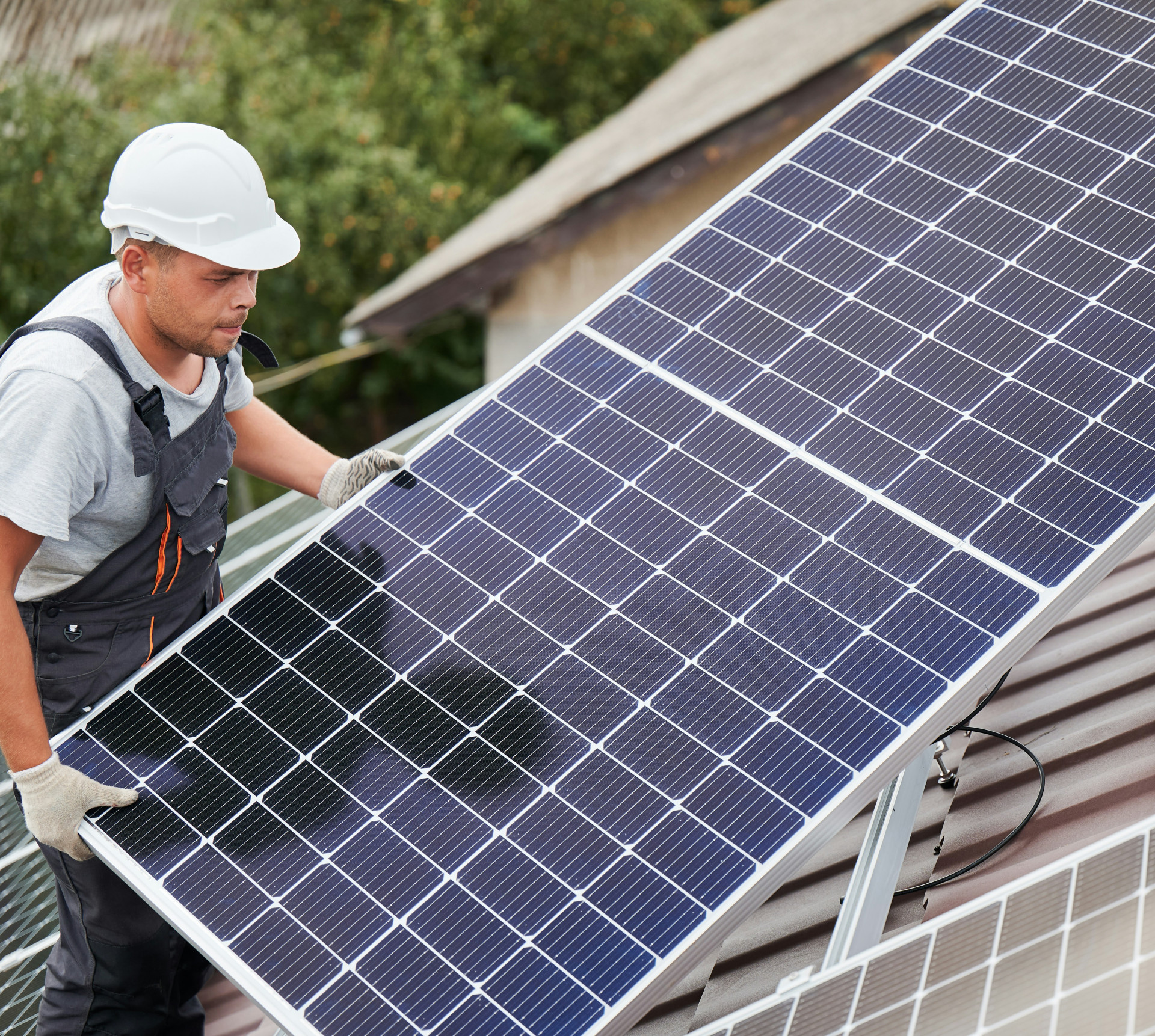
Once you’ve chosen your preferred solar system, the next step is installation. It’s advisable to hire a professional to ensure it’s done correctly and safely. An experienced installer will assess your roof’s orientation, angle, and shade to maximize efficiency.
Maintenance of solar panels is generally minimal. Regular cleaning and inspection are crucial to keep them functioning optimally. Most manufacturers offer warranties ranging from 20 to 25 years, ensuring long-term reliability.
Incentives and Financing Options
Many governments offer incentives for solar energy adoption, including tax credits, rebates, and financing options. Research local programs to find out what financial help is available in your area.
In some cases, financing solutions, such as solar loans or power purchase agreements (PPAs), can help you install solar panels with little to no upfront cost. Explore these options to find a plan that fits your budget.
Making the Transition
Transitioning to solar energy can feel overwhelming, but breaking the process down into manageable steps can make it easier. Start by researching local solar providers and getting quotes for your home.
Engage with your community to learn about their experiences with solar adoption. Remember that every small step toward solar energy can add up to significant savings and environmental benefits over time.