Why neglecting applied art could stunt your creative growth
Why neglecting applied art could stunt your creative growth
Understanding Applied Art
Applied art refers to the application of design and aesthetics to objects of function and everyday use. This includes fields like graphic design, industrial design, fashion design, and interior design. Unlike fine art, which is created primarily for aesthetic and intellectual purposes, applied art serves practical functions while fulfilling visual and conceptual criteria.
Embracing applied art allows individuals to explore creativity in real-world contexts. It combines functionality with visual appeal, inviting a deeper understanding of how art intersects with daily life.
The Importance of Practical Creativity
Many people view creativity as synonymous with fine art or expressionist projects. However, practical creativity is equally significant. Engaging in applied art develops unique problem-solving skills, as artists must consider how their designs impact user experience while aligning with aesthetic goals.
This dual focus fosters critical thinking and adaptability. When you challenge yourself to create art that is both functional and beautiful, you cultivate a versatile creative mindset that can extend beyond conventional boundaries.
Breaking Down Creative Barriers
Neglecting applied art can lead to a narrow view of what creativity entails. It can confine your skillset to a limited palette of ideas, ultimately stunting artistic growth. Participating in applied art allows you to break through these barriers.
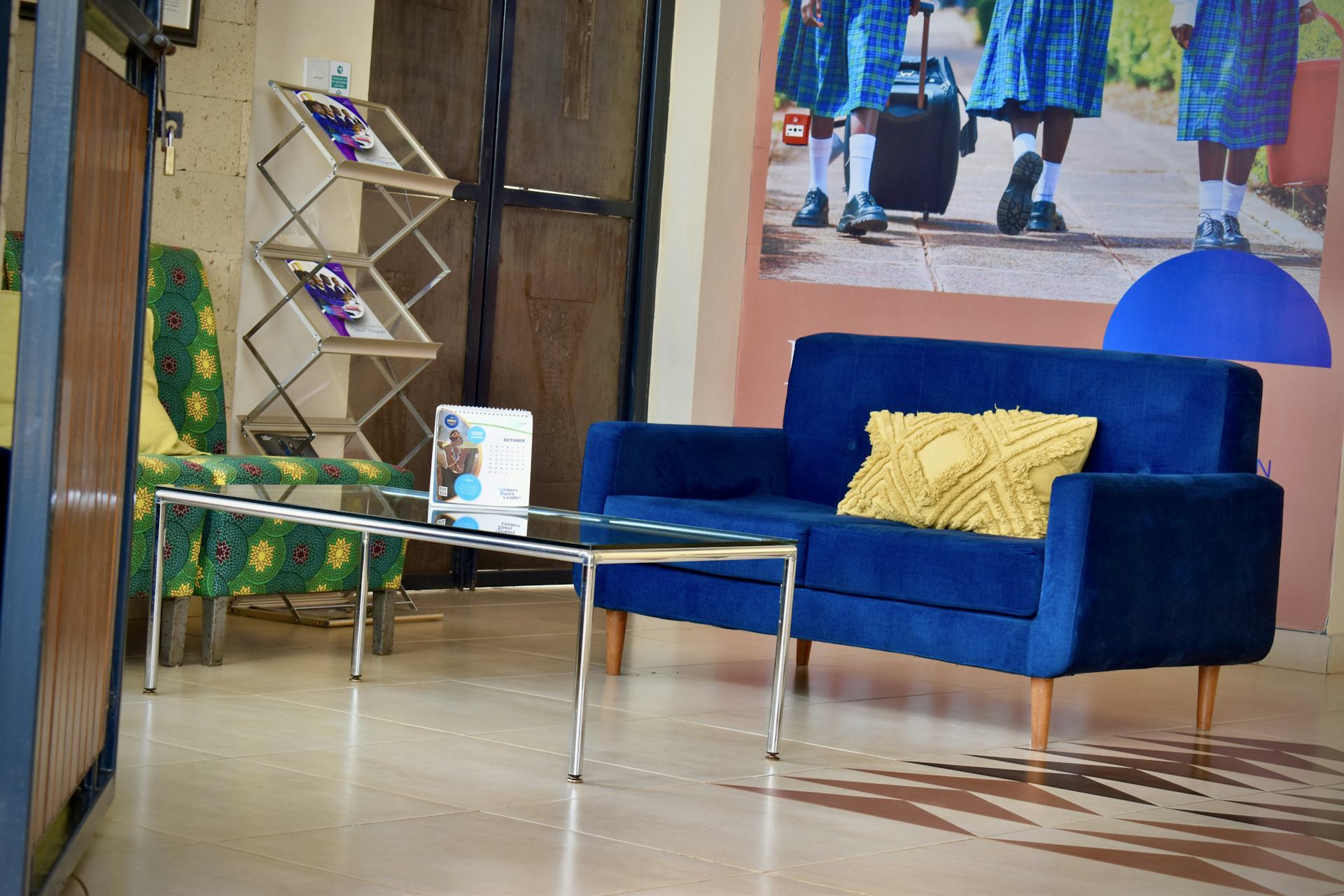
For instance, designing furniture doesnt merely mean focusing on shape and color. It invites consideration of materials, ergonomics, and user interaction. This multi-dimensional approach encourages a broader perspective on creativity, allowing you to see connections across diverse disciplines.
Enhancing Skill Sets Across Disciplines
Engaging in applied art promotes the cross-pollination of skills. A graphic designer may learn from textile design, picking up techniques that enhance their visual style. Similarly, an interior designer may draw inspiration from sculpture, improving their spatial awareness and composition.
This crossover not only enhances individual skill sets but also creates a richer understanding of the artistic process. By recognizing the interconnectedness of different art forms, you nurture a more comprehensive and versatile creative identity.
The Role of Experimentation
Experimentation is a hallmark of creativity. Applied art encourages this vital process by inviting artists to take risks. Experimentation in applied art often leads to unexpected results, broadening both artistic horizons and practical applications.
Failing in a design project is not just an end; it’s a stepping stone to innovation. Each mistake has the potential to teach valuable lessons, pushing you towards unique solutions and styles. Without the encouragement of applied art, the fear of failure might stifle bold creative exploration.
Building Collaborative Opportunities
Applied art heavily relies on collaboration. Whether its working with engineers, marketers, or manufacturers, the process of creating something functional often requires teamwork. Through collaborative projects, artists can learn from one another and share diverse viewpoints.
Collaboration helps break free from solitary artistic insularity. It opens the door to a world of networking and resource-sharing, leading to the growth of creative initiatives that might not have been possible alone.
Integrating Technology and Tradition
The digital age offers endless opportunities for artists in applied fields. By neglecting applied art, you risk missing out on marrying technology with traditional methods. Techniques such as 3D printing, digital fabric design, and virtual reality prototyping elevate the artistry involved in functional design.
Staying abreast of technology and integrating it with traditional craftsmanship enhances what you can create. This union not only expands your skill set but also keeps your work relevant in an ever-evolving marketplace.
Cultivating a Holistic Artistic Approach
Finally, engaging with applied art encourages a more holistic approach to creativity. It allows you to see how art impacts everyday objects and experiences, forging a stronger connection between created works and their users. Understanding this relationship can fuel deeper inspiration for advocates of both fine arts and applied arts.
A holistic viewpoint enriches your artistic practice, allowing it to resonate more profoundly with diverse audiences. Ultimately, your growth as a creative individual benefits from exploring applied art alongside traditional art practices.