Avoid Allergic Reactions During Move-Out Cleaning – Here Are the Best Tips


Avoid Allergic Reactions During Move-Out Cleaning – Here Are the Best Tips
Move-out cleaning can be physically demanding—and for many people, it can also trigger allergies or skin irritation. Dust, cleaning chemicals, and hidden allergens can quickly cause sneezing, itching, or breathing problems if you’re not careful. Fortunately, with the right precautions, you can clean thoroughly without putting your health at risk. Here are the best tips to help you protect yourself while leaving your old home spotless.
Know Your Allergy Triggers
When cleaning before a move, you’re likely to encounter dust, mold, pet dander, and cleaning agents—all common allergy triggers. These allergens often accumulate behind furniture, under carpets, and in corners that haven’t been cleaned in a while. Knowing what you’re sensitive to helps you take the right precautions.
- Dust and dust mites can cause sneezing, itchy eyes, and congestion.
- Mold can lead to coughing, headaches, and breathing difficulties.
- Cleaning products with strong fragrances or harsh chemicals can irritate your skin and airways.
By identifying your personal triggers, you can choose cleaning methods and products that minimize your risk of a reaction.
Choose Gentle, Allergy-Friendly Cleaning Products
Many household cleaners contain fragrances, preservatives, and solvents that can cause allergic reactions. Look for products labeled fragrance-free, hypoallergenic, or certified by organizations such as the EPA’s Safer Choice program. These are designed to be safer for both your health and the environment.
A few helpful guidelines:
- Avoid aerosol sprays—they release fine particles that linger in the air.
- Use liquid cleaners applied with a cloth or sponge instead.
- Never mix cleaning products, especially those containing bleach or ammonia, as this can release toxic fumes.
- Consider natural alternatives like vinegar, baking soda, or lemon juice for light cleaning tasks.
Even mild products can cause irritation if used in large amounts, so make sure to keep windows open and maintain good ventilation while cleaning.
Læs også:




Protect Yourself with the Right Gear
It’s not just cleaning products that can cause problems—dust and airborne particles can also irritate your respiratory system. Wearing protective gear can make a big difference, especially if you know you’re prone to allergies.
- Gloves protect your hands from water and chemicals. Choose nitrile or vinyl gloves if you’re allergic to latex.
- A mask or respirator (such as an N95) helps reduce inhalation of dust and fumes.
- Long sleeves and safety glasses can prevent skin and eye irritation.
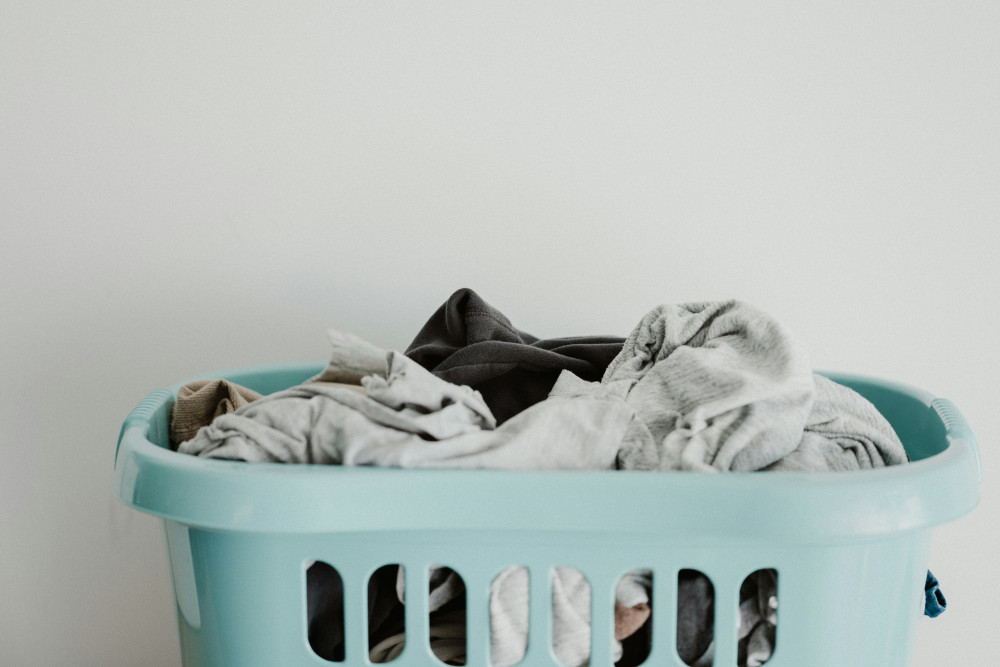
After cleaning, wash your clothes separately to avoid spreading allergens to other laundry.
Keep the Air Flowing
During a move-out cleaning, a lot of dust and particles get stirred up. Proper ventilation is one of the most effective ways to prevent allergic reactions. Open windows in multiple rooms to create cross-ventilation, and let them stay open for at least 10–15 minutes at a time.
If you’re using cleaning products with strong odors, ventilate both during and after cleaning. This helps reduce the concentration of fumes and makes breathing easier.
Clean in Stages
A thorough move-out cleaning can take hours, and the longer you’re exposed to dust and chemicals, the higher your risk of irritation. Break the job into smaller sections and take regular breaks.
Start with the dustiest areas—ceilings, cabinets, and behind furniture—then move on to floors and surfaces. This way, you won’t stir up dust in areas you’ve already cleaned.
If you have severe allergies, consider asking friends or family for help, or hire a professional cleaning service that offers allergy-friendly or green cleaning options.
After Cleaning – Prevent Post-Reaction Symptoms
Once the cleaning is done, it’s important to wash off any residue that may have come into contact with your skin. Rinse your hands and face thoroughly with mild soap, and apply a gentle moisturizer to restore your skin’s balance.
If you still feel irritation, take a shower to remove any remaining dust or chemicals. Drink plenty of water to help your body flush out any substances you may have been exposed to.
A Fresh Start Without the Discomfort
Move-out cleaning doesn’t have to end with itchy eyes, coughing, or rashes. With the right products, good ventilation, and proper protection, you can clean efficiently and safely. It’s all about planning ahead, listening to your body, and choosing solutions that work for you.
That way, you can hand over your old home in great condition—while keeping yourself healthy and comfortable.
Læs også: