Energy Upgrades Tailored to Your Home Type

Energy Upgrades Tailored to Your Home Type
Energy upgrades aren’t just about lowering your utility bills—they’re about creating a more comfortable, healthier home while reducing your environmental footprint. The best approach depends on the kind of home you live in. A downtown apartment, a suburban ranch house, or a historic craftsman each call for different strategies. Here’s a guide to help you choose the right energy improvements for your home type.
Apartments and Condos – Small Changes, Big Impact
If you live in an apartment or condo, you may have limited control over the building’s exterior, but there’s still plenty you can do inside your unit to save energy and improve comfort.
- Seal windows and doors: Drafts can waste a surprising amount of energy. Weatherstripping and caulking are inexpensive fixes that make a noticeable difference.
- Upgrade to energy-efficient windows: If your building allows window replacements, choose ENERGY STAR® certified models with low U-factors.
- Smart thermostats and radiator valves: Modern thermostats can learn your schedule and adjust heating or cooling automatically, saving energy without sacrificing comfort.
- LED lighting and efficient appliances: Replacing old bulbs and outdated appliances can cut electricity use significantly.
Talk to your homeowners’ association or property manager about shared improvements such as rooftop solar panels, upgraded insulation, or high-efficiency HVAC systems. Collective investments can benefit everyone in the building.
Suburban Homes – Comprehensive Upgrades with Major Payoffs
Many single-family homes built in the 1960s through the 1980s have great potential for energy improvements. These houses often have aging insulation, older windows, and inefficient heating systems.
- Add attic and wall insulation: This is often the most cost-effective upgrade. Proper insulation keeps your home warmer in winter and cooler in summer.
- Replace old windows and doors: Modern, energy-efficient models reduce heat loss and improve comfort year-round.
- Install a heat pump: Replacing an oil or gas furnace with an air-source or ground-source heat pump can cut energy use dramatically and reduce your carbon footprint.
- Go solar: Pairing rooftop solar panels with battery storage and smart controls can help you use your own clean power efficiently.
Consider getting a home energy audit through your local utility or a certified contractor. It will identify where your home is losing energy and which upgrades will give you the best return.
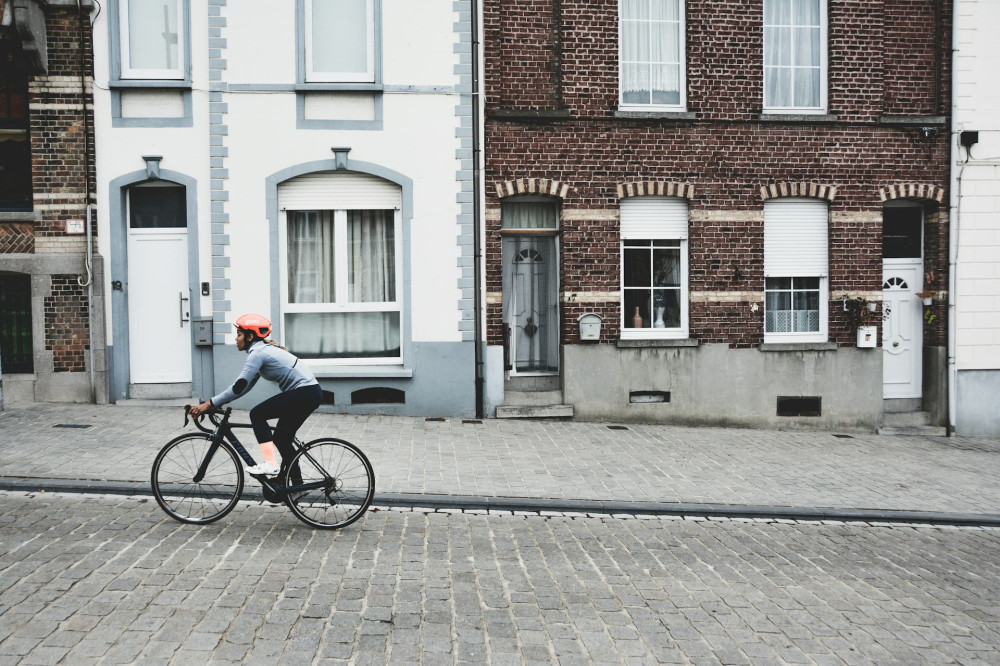
Historic and Older Homes – Preserving Character, Improving Comfort
Older homes—like early 20th-century craftsman or colonial styles—often have charm and solid construction but can be energy-intensive. The goal is to improve efficiency without compromising the home’s character.
- Insulate the attic and basement: These areas usually offer the best opportunities for improvement without altering the home’s appearance.
- Interior wall insulation: If you want to preserve the exterior façade, consider breathable insulation materials that allow moisture to escape.
- Energy-efficient windows in traditional styles: Choose models that match the original design but offer modern performance.
- Ventilation with heat recovery: A discreet ventilation system can provide fresh air and reduce humidity while conserving heat.
Work with a contractor experienced in historic renovations to ensure upgrades respect the home’s architecture while improving comfort and efficiency.
Vacation Homes – Flexible Solutions for Seasonal Use
Vacation homes or cabins are often used intermittently, so flexibility is key. You want a space that’s easy to heat or cool when you arrive but doesn’t waste energy when you’re away.
- Insulate the roof and floors: Even modest improvements can make the home more comfortable during spring and fall.
- Install a ductless mini-split heat pump: These systems provide both heating and cooling and can be controlled remotely via smartphone.
- Seal leaks and upgrade windows: Replacing single-pane glass with double-pane or low-E windows improves comfort and reduces energy loss.
- Add solar panels: A small solar array can power lighting, appliances, and the heat pump during the summer months.
With the right upgrades, you can extend your vacation season and reduce your energy costs at the same time.
Get Professional Advice – and Think Long Term
No matter what type of home you own, it’s wise to consult a professional before starting major upgrades. A certified energy auditor or contractor can help you prioritize improvements, estimate savings, and ensure that solutions fit your home’s structure and climate zone.
Remember, energy upgrades aren’t just about technology—they’re about comfort, health, and sustainability. A well-planned renovation can increase your home’s value, enhance your quality of life, and make a meaningful contribution to a cleaner future.