Future-Proofing the Sewer System Through Renovation to Handle Increased Rainfall

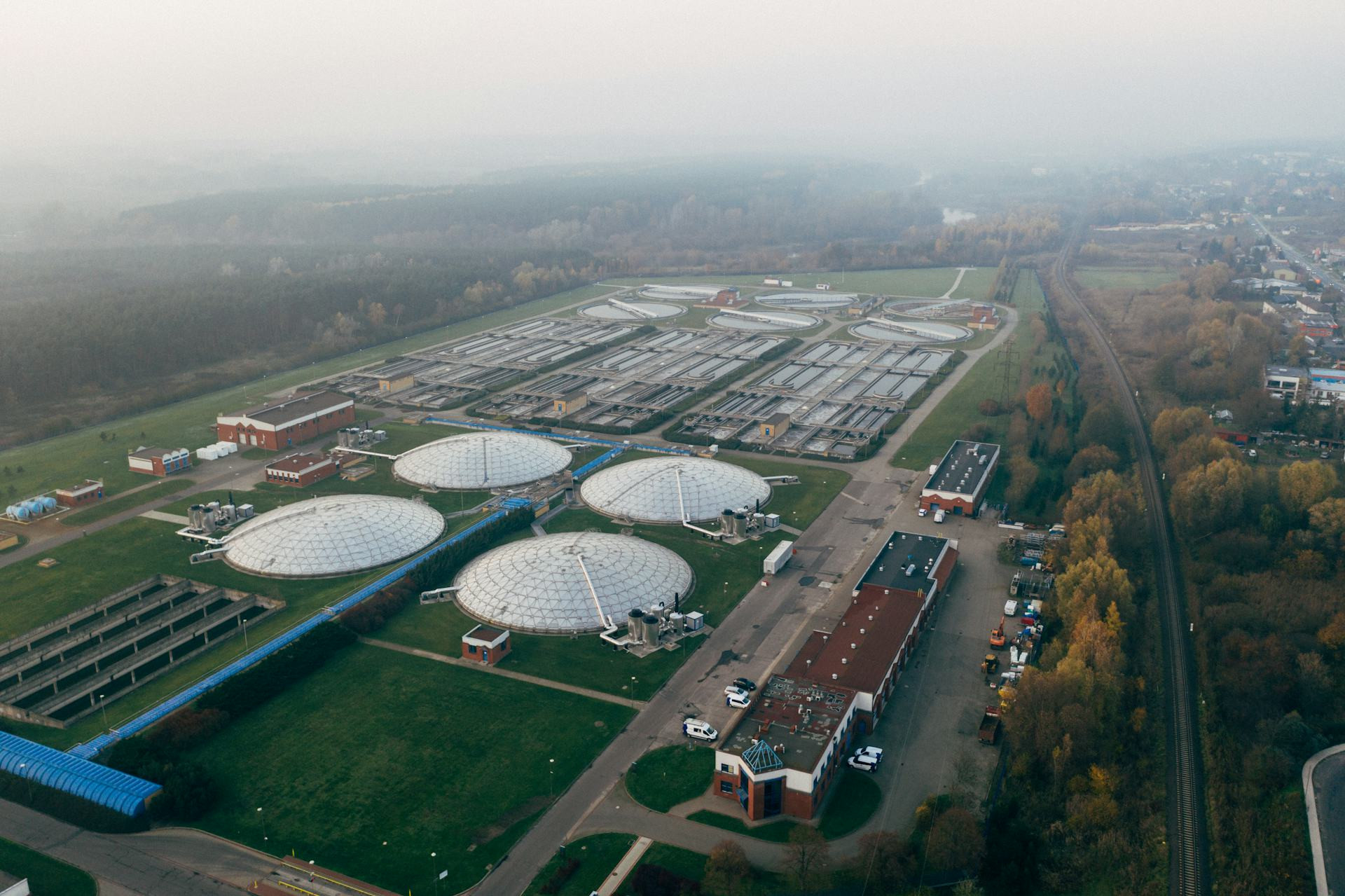
Future-Proofing the Sewer System Through Renovation to Handle Increased Rainfall
Across the United States, communities are facing heavier and more frequent rainstorms than ever before. Climate change is intensifying precipitation patterns, putting enormous pressure on aging sewer systems that were never designed for such volumes of water. The result: flooded streets, damaged homes, and costly repairs for municipalities and homeowners alike. To meet these challenges, cities are turning to renovation and modernization strategies that can make their sewer infrastructure more resilient to future rainfall.
An Aging Infrastructure Under Strain
Much of America’s sewer network was built decades ago—some of it more than a century old. At the time, rainfall patterns were milder, and urban areas had far fewer paved surfaces. Today, sprawling development, asphalt, and concrete prevent rainwater from soaking into the ground. When storms hit, runoff rushes into the sewer system all at once, overwhelming pipes and treatment plants.
This overload can cause sewage backups into basements, street flooding, and the release of untreated wastewater into rivers and lakes. The problem is particularly acute in older cities with combined sewer systems, where stormwater and sewage share the same pipes.
Renovation as a Key Part of the Solution
Replacing entire sewer networks is prohibitively expensive and disruptive. Instead, many municipalities are focusing on targeted renovation projects that extend the life of existing infrastructure and improve capacity. Common approaches include:
- Cured-in-place pipe (CIPP) lining – a trenchless method that inserts a new lining inside old pipes, sealing cracks and restoring structural integrity without extensive digging.
- Pipe replacement in critical sections – especially where pipes have collapsed or are severely corroded.
- Upgrading slopes and diameters – to improve flow and reduce bottlenecks during heavy rain events.
Renovation is not just about fixing what’s broken—it’s about adapting systems to future conditions. That requires careful planning, data on rainfall trends, and prioritizing areas most at risk of flooding.
Separating Stormwater and Wastewater
One of the most effective long-term strategies is separating stormwater from sanitary sewage. In many older neighborhoods, both types of water flow through the same pipes. During intense storms, these combined systems overflow, sending untreated sewage into waterways or back into homes.
By installing separate storm and sanitary sewers, cities can direct rainwater to detention basins, infiltration areas, or green infrastructure, while keeping wastewater flowing to treatment plants. Although separation projects require significant investment, they dramatically reduce overflow events and improve water quality.
Green Infrastructure: Managing Water Above Ground
Future-proofing the sewer system isn’t only about underground pipes. Above ground, green infrastructure can help absorb and slow down rainwater before it reaches the sewers. Examples include:
- Rain gardens and bioswales that capture runoff and allow it to soak into the soil.
- Green roofs that absorb rainfall and reduce runoff from buildings.
- Permeable pavements that let water infiltrate rather than flow into storm drains.
- Rain barrels and cisterns that collect water for reuse in landscaping.
These solutions not only reduce pressure on sewer systems but also beautify neighborhoods, improve air quality, and support urban biodiversity.
What Homeowners Can Do
Property owners play a crucial role in reducing local flooding and protecting their homes. Simple steps can make a big difference:
- Inspect your sewer line – a camera inspection can reveal cracks, root intrusion, or blockages.
- Install a backwater valve – to prevent sewage from backing up into your home during heavy rain.
- Use rain barrels or rain gardens – to manage runoff on your property.
- Keep drains and gutters clear – so water can flow freely away from your home.
When individual efforts align with citywide infrastructure improvements, communities become far more resilient to extreme weather.
Investing in a Resilient Future
Climate change is reshaping how we think about infrastructure. Sewer systems that once seemed adequate are now under constant stress. By investing in renovation, separation, and green infrastructure, cities can protect homes, public health, and the environment from the growing threat of heavy rainfall.
Future-proofing the sewer system is more than a technical challenge—it’s a commitment to safety, sustainability, and long-term resilience. The sooner we act, the better prepared our communities will be for the storms ahead.