How can electrical outlets be made more intuitive and safe?

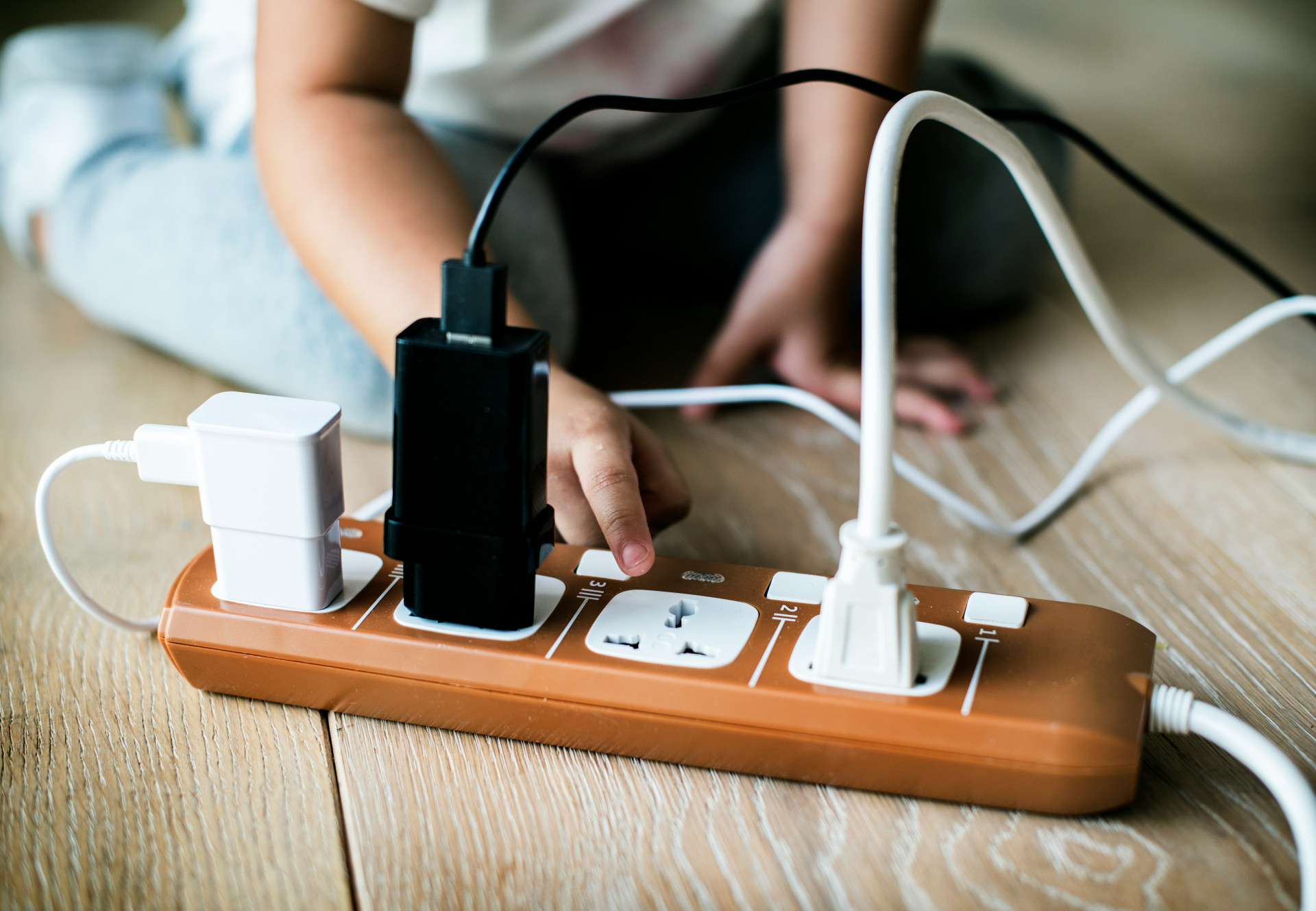
How can electrical outlets be made more intuitive and safe?
Electrical outlets are among the most overlooked yet essential parts of our homes. We use them every day—to charge phones, power lamps, and run appliances—but rarely think about how they’re designed, placed, or protected. Yet small improvements in layout and design can make a big difference in both convenience and safety. Here’s how outlets in American homes can become more intuitive and secure.
Placement matters – design for real-life use
One of the most common reasons outlets are used unsafely is poor placement. Many homes have too few outlets, or they’re located in inconvenient spots that encourage the use of extension cords or power strips.
When building or remodeling, think about how each room is actually used:
- In the kitchen, outlets should be above countertops but away from sinks and water sources.
- In the living room, place outlets behind entertainment centers and near seating areas where people charge devices.
- In bedrooms, outlets near nightstands are practical—but consider tamper-resistant models if children are present.
Good placement isn’t just about aesthetics; it’s about making safe use the natural choice.
Design that guides the user
An intuitive outlet design helps people use electricity correctly without having to think about it. Modern outlets and wall plates can combine function and form in smart ways:
- Color coding or labeling can make it clear which outlets are controlled by a switch or dedicated to specific circuits.
- Built-in LED lighting around outlets can help locate them in the dark and double as a nightlight.
- Integrated USB and USB-C ports reduce clutter and eliminate the need for bulky adapters.
A well-designed outlet doesn’t just look good—it helps prevent misuse.
Safety first – especially in homes with children
Electrical accidents are rare, but when they happen, they’re often due to outdated or damaged outlets. Fortunately, there are several ways to make them much safer:
- Tamper-resistant (TR) outlets, now required by the National Electrical Code in most new homes, prevent children from inserting objects.
- Ground-fault circuit interrupters (GFCIs) protect against electric shock in kitchens, bathrooms, garages, and outdoor areas.
- Weather-resistant (WR) outlets are essential for exterior use, protecting against moisture and corrosion.
Always have electrical work done by a licensed electrician—especially when adding or modifying circuits.
Smart outlets – technology that protects
With the rise of smart home technology, outlets are no longer passive components. They can now monitor energy use, shut off automatically when overloaded, and be controlled remotely.
- Scheduling features can turn off appliances automatically, reducing fire risk.
- Energy monitoring helps identify unusual power consumption or faulty devices.
- Remote control via smartphone or voice assistant allows you to cut power even when you’re away.
Smart outlets may seem like a luxury, but they’re increasingly becoming a practical safety upgrade.
Maintenance – the forgotten factor
Even the best outlet wears out over time. Loose plugs, discoloration, or warmth around the outlet are warning signs. To stay safe:
- Avoid overloading outlets with too many devices.
- Replace old or damaged outlets promptly.
- Have an electrician inspect your system if you notice flickering lights or tripped breakers.
Regular maintenance can prevent both shocks and electrical fires.
Small changes, big impact
Making electrical outlets more intuitive and safe doesn’t require major renovations—it just takes thoughtful choices. By placing outlets where they’re needed, choosing designs that guide safe use, and prioritizing modern safety features, you can create a home that’s both smarter and safer. A few simple updates can make everyday electricity use easier—and far less risky.