Insulate Your Bathroom Floor Effectively Without Compromising Moisture Protection

Insulate Your Bathroom Floor Effectively Without Compromising Moisture Protection
A bathroom floor has to handle constant humidity, temperature changes, and daily wear. Proper insulation beneath the floor is essential—not only to retain heat but also to prevent moisture from seeping into the structure. Good insulation can lower energy costs, make the floor more comfortable, and extend the life of your bathroom. But how do you achieve that without compromising moisture protection?
Understand the Relationship Between Insulation and Moisture
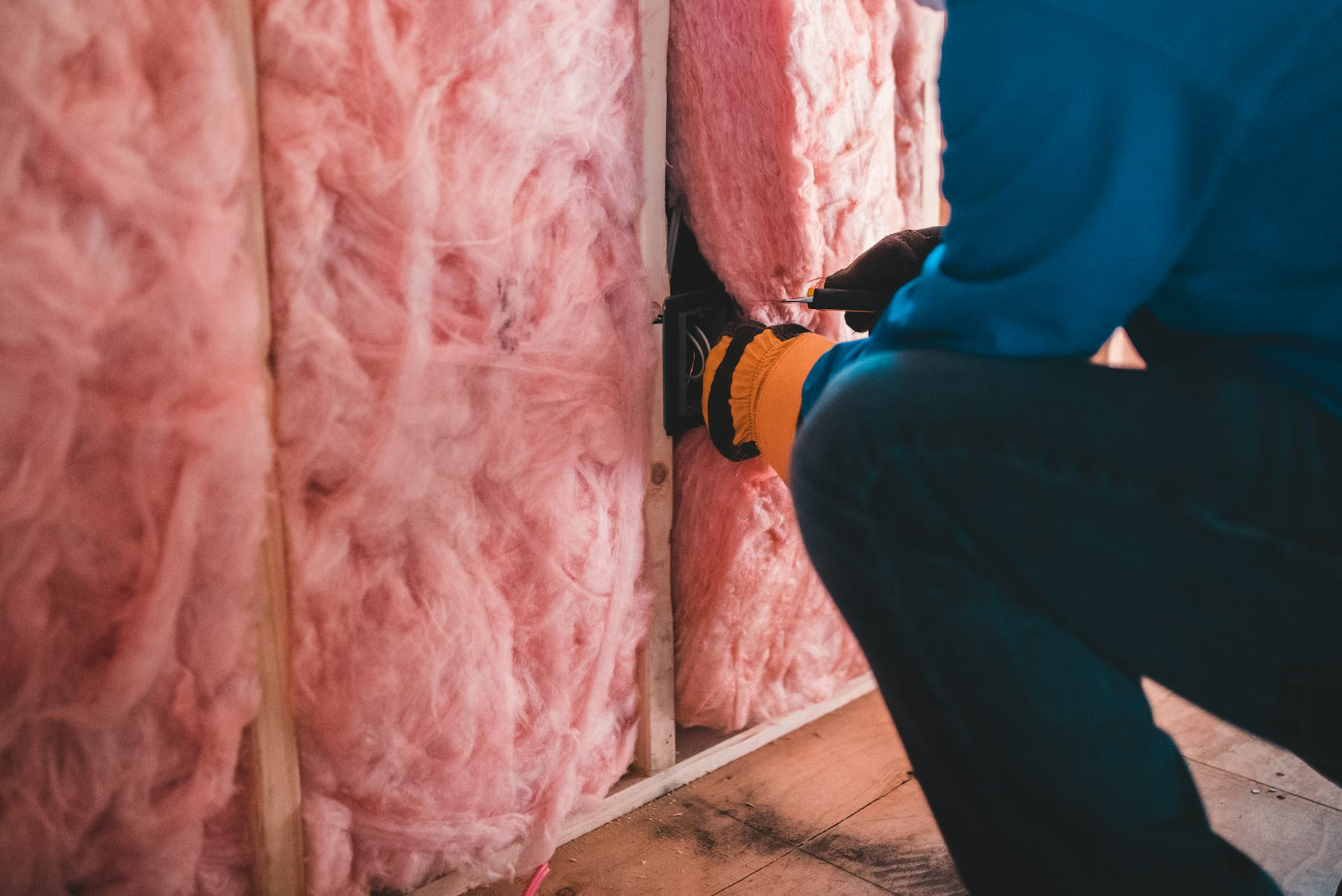
Insulation and moisture control go hand in hand. If insulation is installed incorrectly, moisture can penetrate and cause mold, rot, or structural damage. On the other hand, an overly tight vapor barrier can trap moisture inside the floor assembly, leading to similar problems.
The key is balance: you need a system that blocks external moisture while allowing any trapped vapor to escape. Achieving this balance requires choosing the right materials and following U.S. building codes and local regulations carefully.
Choose the Right Materials
When insulating a bathroom floor, use materials that can handle moisture and temperature fluctuations. Common options include:
- Extruded Polystyrene (XPS) – a rigid, water-resistant foam board ideal for use under concrete or tile floors.
- Closed-cell Spray Foam (Polyurethane) – provides excellent insulation and seals gaps, minimizing thermal bridges.
- Rigid Foam Boards (Polyiso or EPS) – effective for subfloor insulation when properly sealed and protected from moisture.
Avoid materials like standard fiberglass batts or cellulose, which absorb moisture and can lead to mold growth. Always ensure that the materials you choose are rated for use in wet or damp environments.
How to Build an Insulated Bathroom Floor
A properly insulated bathroom floor typically consists of several layers, each serving a specific purpose:
- Subfloor or Concrete Slab – the structural base of the floor.
- Moisture Barrier or Vapor Retarder – prevents ground moisture from migrating upward.
- Insulation Layer – retains heat and improves energy efficiency.
- Cement Board or Concrete Underlayment – provides a stable surface for tile installation.
- Waterproof Membrane – protects the structure from water penetration from above.
- Thinset Mortar and Tile – the visible, durable surface layer.
Each layer must be installed in the correct order, and all seams and joints—especially where the floor meets the walls—must be properly sealed. Even small gaps can allow moisture to infiltrate and cause long-term damage.
Avoid Common Mistakes
Many bathroom moisture issues stem from errors during insulation and waterproofing. Here are some common pitfalls to avoid:
- Improper vapor barrier placement – it should be below the insulation on a slab or above it in a framed floor, depending on your climate zone.
- Insufficient slope toward the drain – water should always flow away from walls and fixtures.
- Using non-rated materials – only use products approved for wet areas.
- Skipping edge sealing – unsealed edges can allow moisture to bypass the barrier.
If you’re unsure about the correct approach, consult a licensed contractor familiar with local building codes and moisture control standards.
Consider Radiant Floor Heating—But Plan Carefully
Radiant floor heating is a popular feature in modern bathrooms, but it increases the importance of proper insulation. Without adequate insulation beneath the heating system, much of the heat will escape downward instead of warming the room.
Install a moisture-resistant insulation layer beneath the heating cables or mats to direct heat upward. This not only improves comfort but also reduces energy consumption.
Professional Help Is Worth It
While some homeowners may be tempted to handle bathroom renovations themselves, the bathroom is one of the most complex rooms in a home. It involves plumbing, electrical work, and strict waterproofing requirements. Mistakes can be costly to fix later.
Hiring a licensed professional ensures that insulation, waterproofing, and heating systems are installed correctly and meet code requirements. If you want to save money, you can handle prep work—like removing old flooring or cleaning the subfloor—but leave the waterproofing and membrane installation to an expert.
A Warm, Dry Bathroom for Years to Come
A well-insulated bathroom floor is about more than comfort—it’s about durability and peace of mind. When insulation and moisture protection work together, you get a floor that stays warm, dry, and damage-free for years. With careful planning, the right materials, and professional execution, you can enjoy a bathroom that feels as good as it looks.