Make the Most of Natural Light with Color and Interior Design


Make the Most of Natural Light with Color and Interior Design
Natural light is one of the most valuable features in any home. It influences our mood, energy, and how spacious a room feels. Even in homes with large windows, light can be used more effectively through thoughtful choices of color, materials, and furniture placement. Here’s how to create a bright, balanced, and inviting home that feels good all year round.
Understand the Direction and Quality of Light
Before you start painting or rearranging furniture, take time to observe how light moves through your home. The direction and intensity of sunlight change throughout the day and across the seasons, affecting how colors and materials appear.
- North-facing rooms receive cooler, consistent light that can feel a bit gray. Warm colors and natural textures can help balance the tone.
- South-facing rooms get abundant sunlight most of the day. Cool hues like blue, green, or soft gray can temper the brightness and create a calm atmosphere.
- East-facing rooms are bathed in gentle morning light, making them ideal for kitchens or breakfast nooks.
- West-facing rooms glow with warm, golden light in the afternoon and evening, which enhances earthy and warm tones beautifully.
Once you understand your home’s light patterns, you can choose colors and furnishings that work with the light rather than against it.
Colors That Amplify Natural Light
Color plays a major role in how light behaves in a room. Light shades reflect light, while darker tones absorb it. But that doesn’t mean everything has to be white.
- White and light walls make a space feel airy and open. Choose a shade with undertones that complement your light—warm whites for cooler rooms, crisp whites for sun-filled spaces.
- Soft pastels and muted tones add personality without stealing brightness. Try pale green, light gray, or sandy beige for a soothing effect.
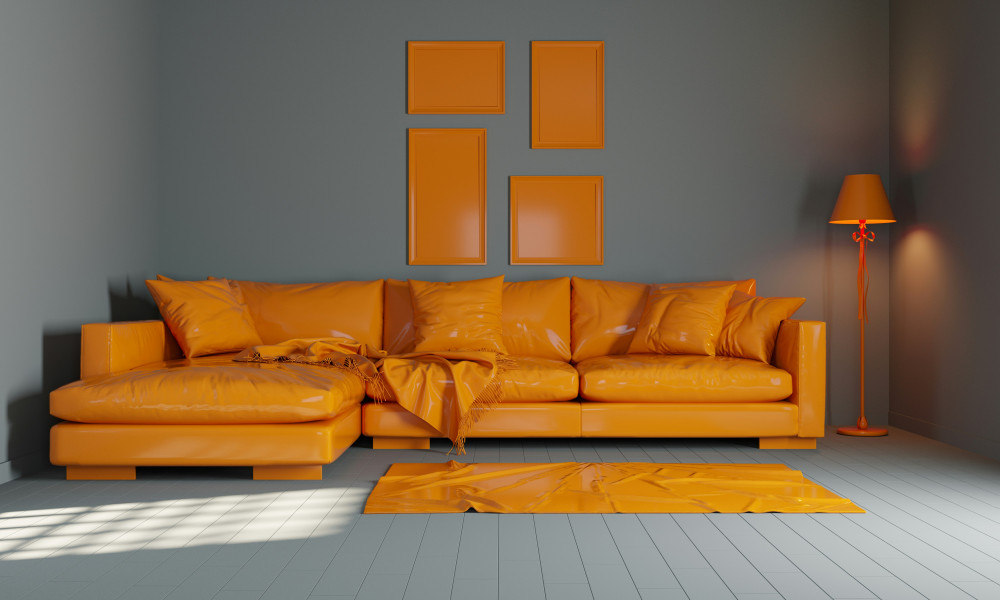
- Finish matters too. Matte paint gives a soft, elegant look, while satin or semi-gloss finishes reflect more light—especially useful in smaller rooms.
A simple trick is to paint ceilings and trim a shade lighter than the walls. This subtle contrast makes rooms feel taller and more spacious.
Let the Light Flow Through Your Space
Even the best color palette won’t shine if furniture or window treatments block the light. Think about how your layout supports the flow of daylight.
- Keep windows clear—avoid placing tall furniture or large plants directly in front of them.
- Use sheer curtains or light fabrics that filter sunlight without shutting it out.
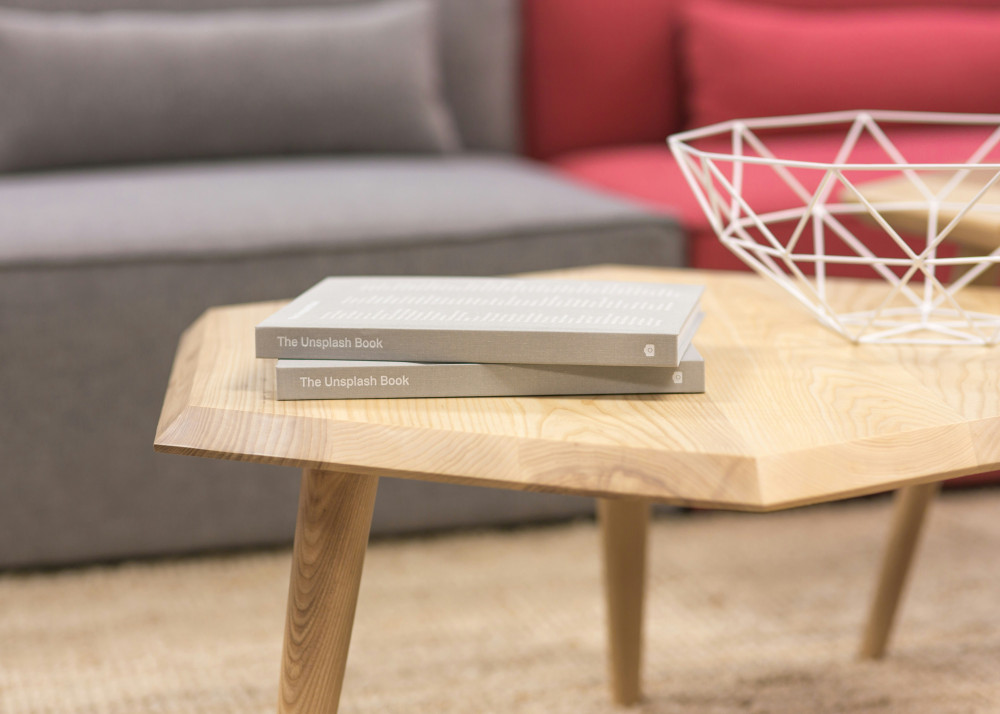
- Choose furniture with visual lightness, such as open shelving, slender legs, and pale wood tones.
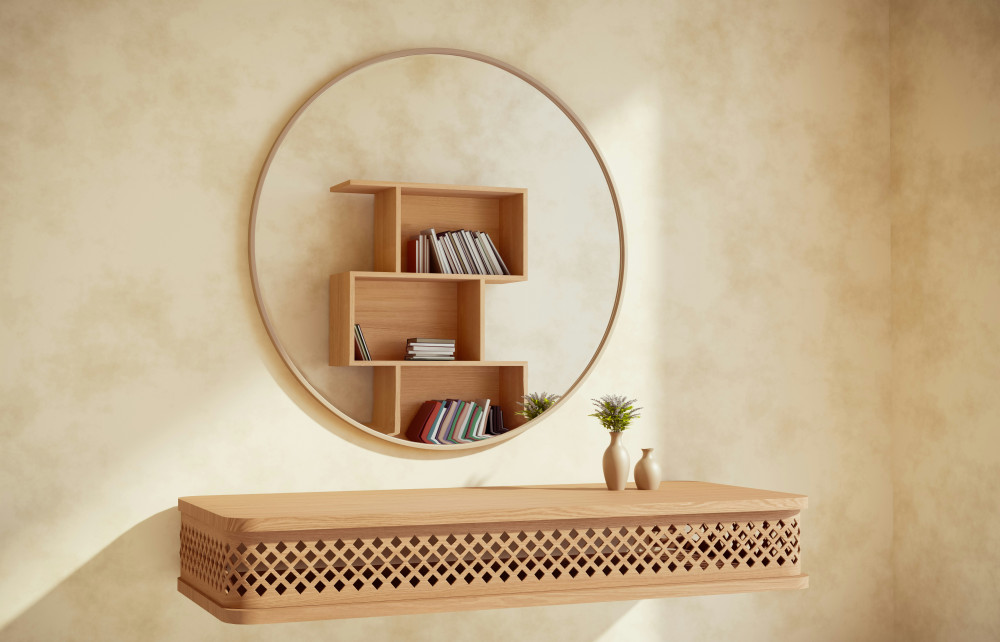
- Add mirrors and glass surfaces to bounce light around the room. A mirror opposite a window can visually double the amount of light.
If your home doesn’t get much natural light, consider adding LED fixtures that mimic daylight. They help maintain a consistent, comfortable brightness from morning to evening.
Materials That Interact with Light
The texture and finish of materials influence how light feels in a space. Smooth surfaces reflect light, while matte or textured ones absorb it.
- Wood, linen, and wool bring warmth and softness, especially in rooms with cooler light.
- Metal, glass, and glazed ceramics add sparkle and help brighten darker corners.
- Natural tones like sand, stone, and clay create a calm, timeless base that complements shifting daylight.
Mixing different textures keeps a room dynamic and ensures it changes beautifully as the light moves throughout the day.
Balance Function and Atmosphere
A bright home isn’t just about aesthetics—it’s about well-being. Natural light supports our circadian rhythm, focus, and overall comfort, so think about how each room is used.
- Place desks or reading areas near windows, but avoid direct glare.
- Use light, energizing colors in living spaces where you want openness and activity.
- Choose warmer tones in bedrooms to promote rest and relaxation.
Small adjustments can make a big difference in how a room looks and feels.
A Home That Lives with the Light
Making the most of natural light isn’t about perfection—it’s about harmony. When you understand how light interacts with color, materials, and layout, your home becomes more than just a space; it becomes a living environment that shifts gracefully from morning brightness to evening glow.