Make Your Home’s Entryway Both Practical and Inviting

Make Your Home’s Entryway Both Practical and Inviting
Your home’s entryway is the first thing you and your guests see when walking in—and the last impression as you leave. It sets the tone for the rest of your home, offering a glimpse of your style and how you live. But a beautiful entryway should also work hard for you every day. Here’s how to design an entry that’s both functional and welcoming, no matter the size of your space.
Start with Function
Before you think about décor, focus on how the space needs to work. The entryway is where shoes come off, coats get hung, and keys are dropped. If these everyday needs aren’t met, clutter will quickly take over.
Think about your household’s routines. Do you need a place for backpacks and sports gear? A bench for putting on shoes? Hooks for guests’ coats? Once you understand how you use the space, you can choose solutions that fit your lifestyle.
- Hooks and racks: Install plenty of hooks at different heights so everyone—from kids to adults—has a spot for coats and bags.
- Shoe storage: A closed cabinet keeps things tidy, while open shelves make it easy to grab shoes on the go. Consider a mat or tray underneath to catch dirt and water.
- Bench or chair: A small bench makes it easier to take shoes on and off. Look for one with built-in storage to maximize space.
- Baskets and bins: Perfect for gloves, hats, dog leashes, or anything else that tends to pile up.
Create a Warm Welcome with Light and Color
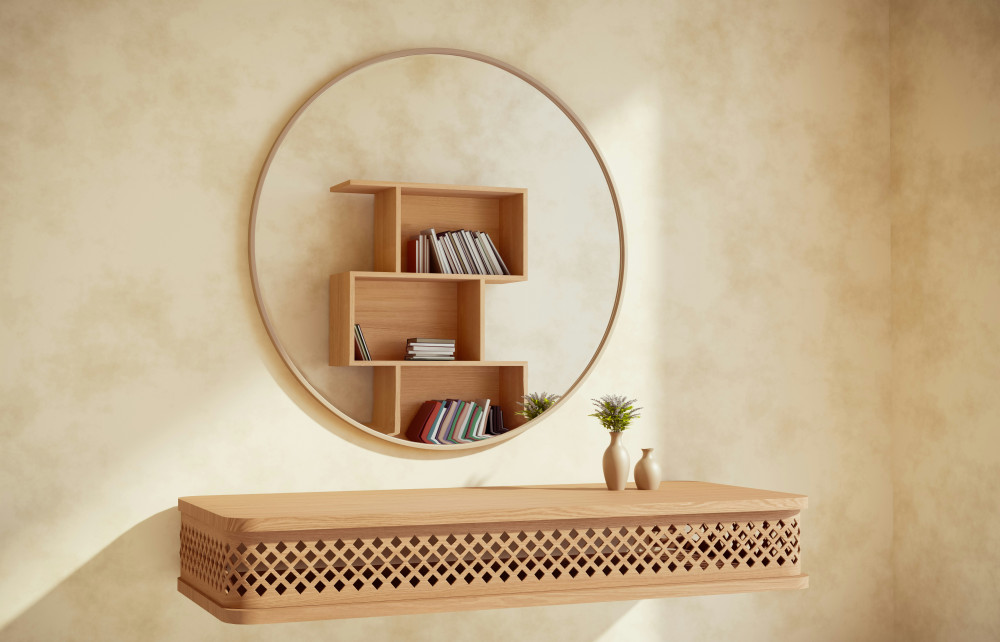
Lighting and color have a huge impact on how your entryway feels. Many entryways lack natural light, so good lighting is essential. Combine overhead lighting with softer accent lights, like a table lamp or wall sconce, to create a warm, layered glow. A mirror can help reflect light and make the space feel larger.
When it comes to color, lighter shades can make a small entry feel open and airy, while warm tones or natural textures—like wood, woven baskets, or a patterned rug—add coziness. Don’t be afraid to add a pop of personality with a colorful front door or a piece of art that makes you smile.
Keep It Organized with Smart Storage
Even the most stylish entryway loses its charm if it’s messy. The key is to give everything a designated place. Think in zones: one for outerwear, one for shoes, and one for small essentials.
- Closets or tall cabinets can hide coats and shoes for a clean, minimalist look.
- Open shelving keeps things accessible but requires regular tidying.
- Small trays or bowls near the door are perfect for keys, sunglasses, and mail.
- Over-the-door hooks make use of every inch of space in smaller entryways.
If you live in an apartment or have a narrow hallway, multifunctional furniture—like a mirror with a shelf or a slim console table with drawers—can make a big difference.
Add a Personal Touch
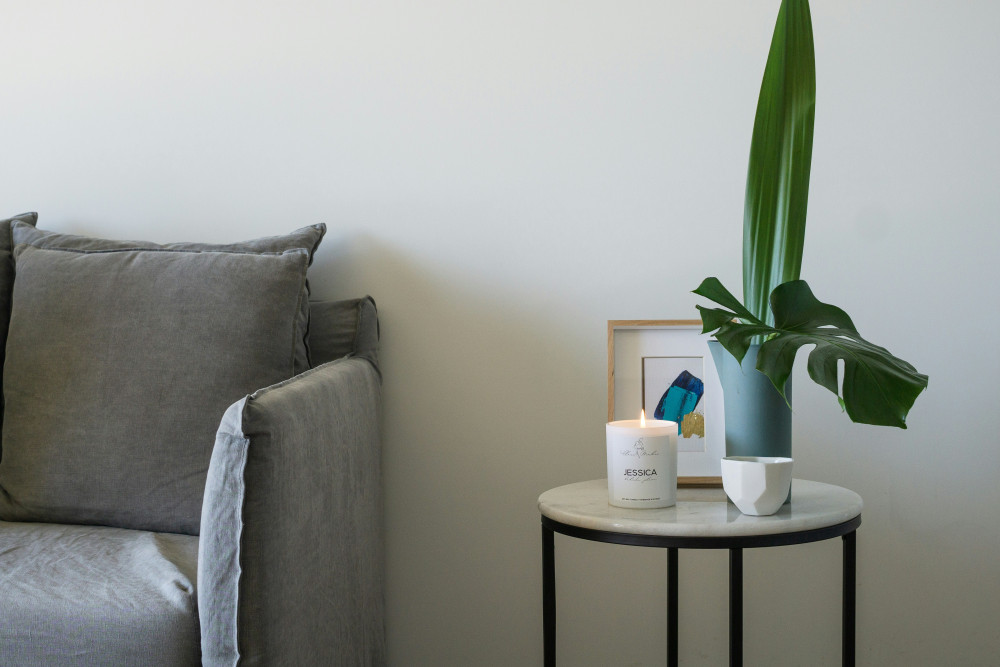
A practical entryway doesn’t have to feel sterile. Personal details make the space more inviting and reflect who you are. A framed photo, a small plant, or a welcoming doormat can add warmth and character.
Consider the sensory details, too. A subtle scent from a candle or diffuser, or even a bit of background music, can make coming home feel extra special. The goal is to create an atmosphere that feels both organized and lived-in.
Adjust with the Seasons
Your entryway’s needs change throughout the year. In winter, you’ll need space for heavy coats, boots, and umbrellas. In summer, lighter storage for sandals, hats, and sunscreen might be more useful.
Make it a habit to refresh your entryway twice a year—swap out seasonal items, clean out what you no longer need, and maybe update a few decorative touches. It keeps the space functional and gives it a fresh look.
A Space That Works Every Day
A well-designed entryway strikes the perfect balance between beauty and practicality. It should make daily routines easier while offering a warm welcome every time you walk through the door. With thoughtful storage, good lighting, and a few personal touches, you can create an entryway that’s both inviting and efficient—day after day.