Moving with Pets in a Rental Home – How to Ensure a Positive Experience for Both Your Pet and Your Landlord

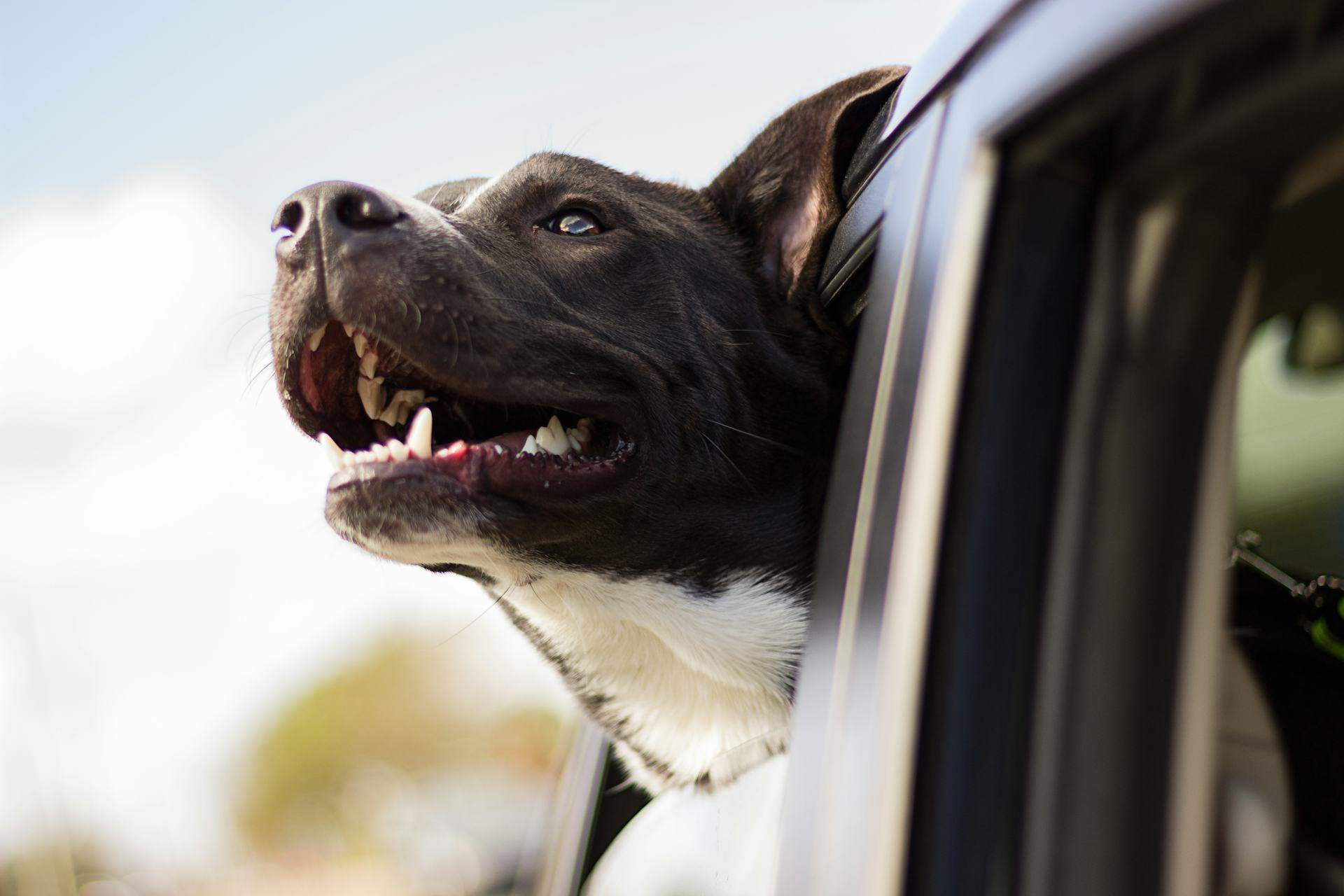
Moving with Pets in a Rental Home – How to Ensure a Positive Experience for Both Your Pet and Your Landlord
Moving is a big change—for you and your pets. New sounds, smells, and routines can be stressful for animals, and when you’re renting, there’s the added responsibility of respecting your landlord’s property and policies. With a bit of planning and communication, you can make the move smooth for your pet and maintain a great relationship with your landlord.
Review Your Lease and Pet Policy
Before you start packing, take a close look at your lease agreement. Pet policies vary widely across rental properties in the U.S. Some landlords welcome pets, while others have restrictions on size, breed, or number of animals.
- Read the lease carefully and clarify any unclear terms with your landlord or property manager.
- Get permission in writing—verbal agreements can lead to misunderstandings later.
- Be upfront about your pet—honesty builds trust and helps avoid future conflicts.
If your lease doesn’t allow pets, you can try negotiating. Providing references from previous landlords, proof of vaccinations, or documentation of training can help demonstrate that your pet is well-behaved and responsible.
Prepare Your Pet for the Move
Animals thrive on routine, and moving can disrupt their sense of security. You can ease the transition by planning ahead:
- Keep daily routines consistent—feed, walk, and play with your pet at the usual times.
- Pack gradually so your pet doesn’t become anxious as the home empties.
- Create a safe space—a bed, crate, or blanket where your pet can retreat during the chaos.
- Use familiar scents—bring along toys, bedding, and bowls to make the new home feel familiar.
For cats and small animals, consider keeping them in a quiet room on moving day to reduce stress from noise and activity.
Moving Day – Safety Comes First
Moving day can be hectic, with doors open and people coming and going. It’s easy for pets to slip out unnoticed, so plan for their safety:
- Keep your pet in a secure room with the door closed, or have a friend or pet sitter watch them.
- Use proper carriers or restraints—a sturdy crate for cats and small dogs, or a harness and leash for larger pets.
- Take breaks on long trips so your pet can drink water, stretch, and relax.
When you arrive at your new home, let your pet explore one room at a time. Too many new sights and smells at once can be overwhelming.
Helping Your Pet Adjust to the New Home
Once you’ve moved in, give your pet time to settle. Adjustment can take days or even weeks, depending on the animal’s temperament.
- Stick to familiar routines to create a sense of normalcy.
- Be patient—some pets may show signs of stress, like hiding or loss of appetite.
- Offer extra attention and reassurance through play, affection, and calm interaction.
- Check the environment for safety—look for loose wires, open windows, or toxic plants.
If you have a cat, keep it indoors for the first few weeks until it feels comfortable and recognizes the new home as its territory.
Being a Responsible Tenant with Pets
Maintaining a good relationship with your landlord is key when you have pets in a rental. Show that you’re a responsible tenant by:
- Keeping the home clean—vacuum pet hair, manage odors, and clean up accidents promptly.
- Preventing damage—use scratching posts, pet gates, or protective covers where needed.
- Communicating openly—inform your landlord if any issues arise, such as damage or noise complaints.
- Offering a pet deposit or insurance—some landlords feel more comfortable when there’s financial protection in place.
A respectful and proactive approach helps build trust and can make your landlord more flexible in the future.
When It’s Time to Move Out
When you eventually move again, leave the property in excellent condition. Inspect for any pet-related damage—scratches, stains, or lingering odors—and repair or clean as needed. A thorough cleaning and minor touch-ups can go a long way toward ensuring you get your full security deposit back and a positive reference for your next rental.
A Thoughtful Move Benefits Everyone
Moving with pets in a rental home takes preparation, but it’s entirely manageable. By considering your pet’s comfort and your landlord’s expectations, you can create a smooth transition and a happy home. With patience, planning, and open communication, your move can be a positive experience—for you, your pet, and your landlord alike.