Play and Exercise – The Path to a Healthy, Happy Pet

Play and Exercise – The Path to a Healthy, Happy Pet
An active pet is usually a happy pet. Whether you share your home with a dog, cat, rabbit, or another companion animal, play and exercise are essential for both physical and mental well-being. Just like people, pets need to move, explore, and satisfy their curiosity. Here’s how you can bring more activity and fun into your pet’s daily life—for their benefit and yours.
Why Movement Matters
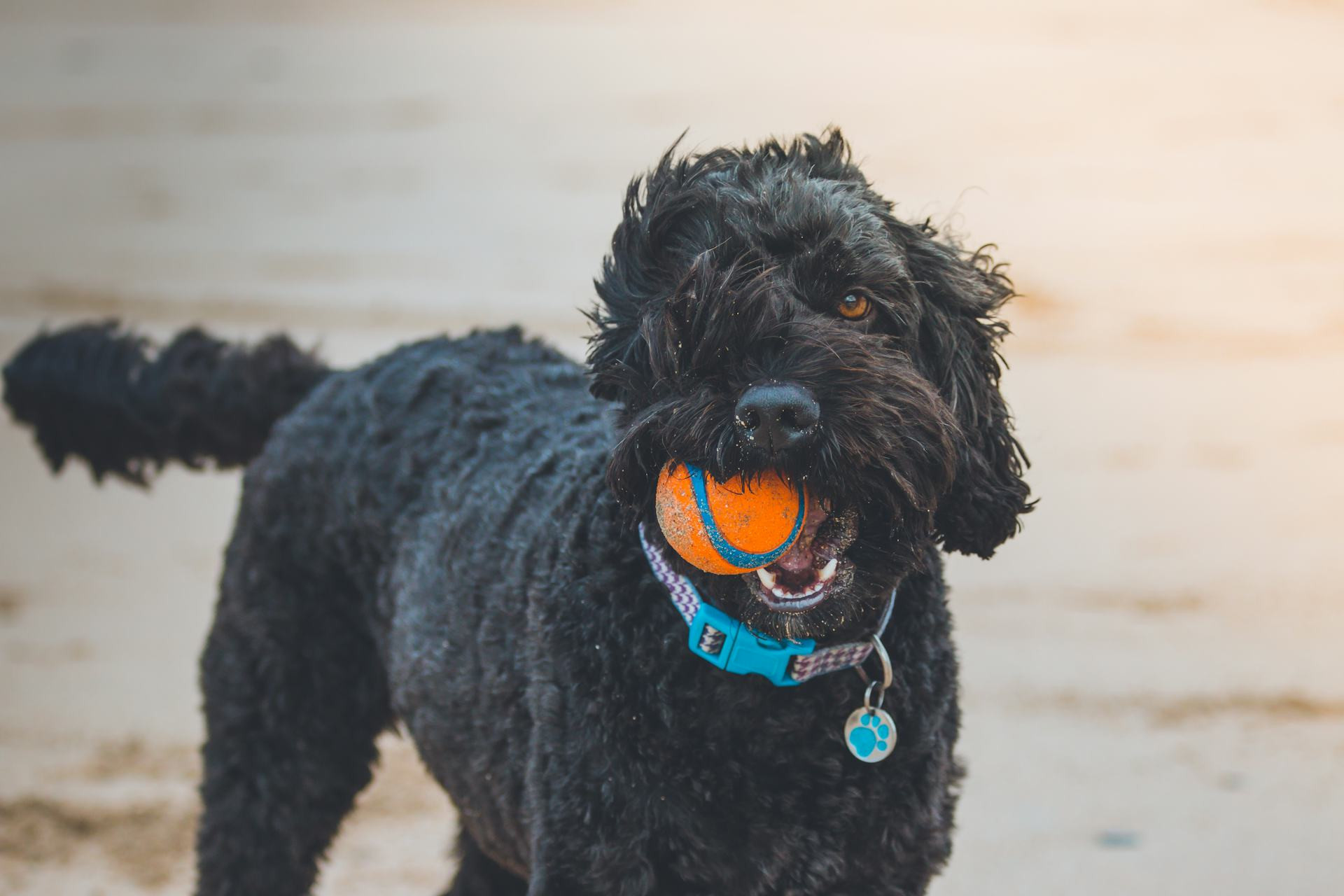
Exercise strengthens muscles, joints, and the cardiovascular system, but it’s about more than just fitness. For animals, activity is a way to explore their surroundings, release energy, and prevent boredom. Without enough stimulation, pets can become overweight, anxious, or develop unwanted behaviors like barking, scratching, or chewing.
A pet that gets to move and play is often more relaxed, social, and confident. This applies to the energetic dog that loves long walks as well as the curious cat that thrives on climbing and hunting games.
Play as Mental Stimulation
Play isn’t only physical—it’s also mental exercise. When pets play, they use their senses, think strategically, and solve small challenges. It might be finding a treat hidden in a toy or chasing a moving feather.
- For dogs: Try scent games by hiding treats around the house or yard. It engages their powerful sense of smell and encourages problem-solving.
- For cats: Use toys that move unpredictably, like feather wands or small balls. Cats love to chase and pounce—it awakens their natural hunting instincts.
- For small pets: Rabbits and guinea pigs enjoy tunnels, cardboard boxes, and safe branches to chew on. These activities provide both exercise and mental enrichment.
By varying playtime, you keep your pet curious and motivated—and strengthen the bond between you.
Tailor Activity to Your Pet’s Needs
Not all pets need the same amount of exercise. A young border collie requires far more activity than an older bulldog, and an indoor cat has different needs than one that roams outside. The key is finding a balance that keeps your pet stimulated without overexertion.
Watch for signals: restlessness can mean your pet needs more activity, while fatigue, stiffness, or reluctance to move may indicate too much. Small adjustments to your routine can make a big difference.
Make Everyday Life Active
Exercise doesn’t always have to be a planned workout. Often, it’s about adding small bursts of activity throughout the day.
- Explore new walking routes so your dog can experience fresh scents and sights.
- Create climbing opportunities for your cat—shelves, scratching posts, or window perches.
- Turn mealtime into playtime by using puzzle feeders or treat-dispensing toys.
- Involve the whole family—kids can be great playmates when they learn to respect the pet’s boundaries.
Simple changes can make daily life more exciting and healthy for your pet.
Play as a Bond Between You and Your Pet
Play is also a form of communication. When you play with your pet, you learn to read their signals and understand their needs. This builds trust and makes your relationship more harmonious. Many animals seek interaction through play—it’s their way of saying, “I want to be with you.”
Always let play happen on your pet’s terms. Stop if they seem overstimulated or uncomfortable, and reward them when they show interest and joy. That way, play remains a positive experience for both of you.
A Healthy Pet Is a Happy Pet
Play and exercise aren’t luxuries—they’re essential to your pet’s well-being. A pet that uses both body and mind becomes more resilient, happier, and often lives longer. At the same time, you gain a closer bond and a more joyful daily life together.
So next time you grab the leash, toss a ball, or wave a feather toy, remember: you’re not just making your pet happy—you’re giving them a healthier, richer life.