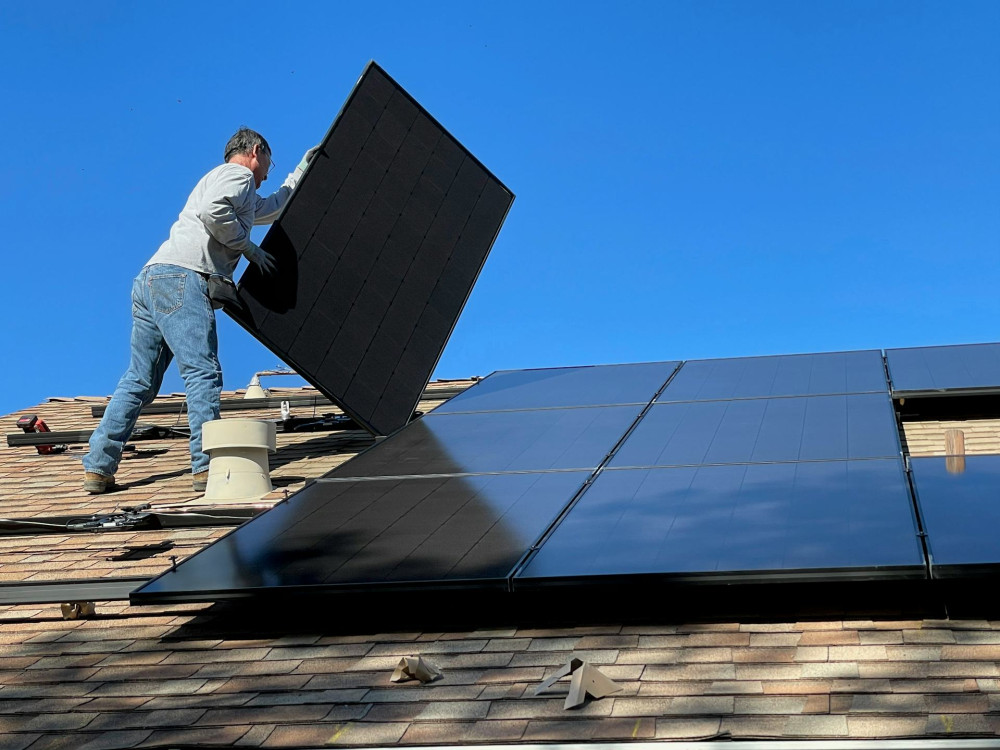
Ready for Solar Panels? How to Prepare Your Home for Installation

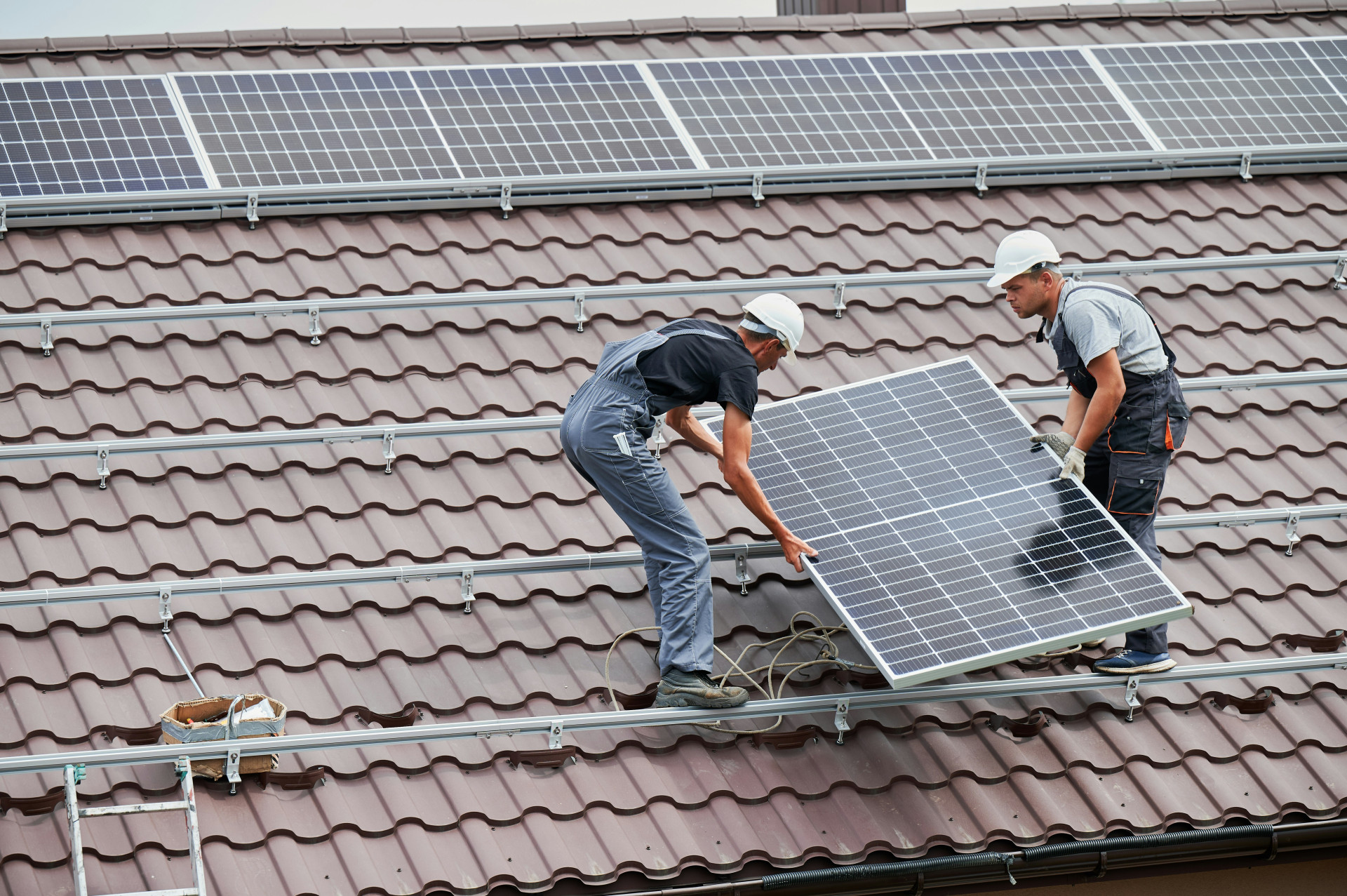
Ready for Solar Panels? How to Prepare Your Home for Installation
More Americans than ever are turning to solar power—both to cut electricity costs and to reduce their carbon footprint. But before the panels go up, there are several practical and technical steps to take. A little preparation can make the installation smoother, faster, and more efficient. Here’s a guide to getting your home ready for solar panels.
Check Your Roof’s Condition and Orientation
Your roof is the foundation of your solar system, and it needs to support the weight and structure for decades. Start by assessing its age and condition. If your roof will need replacement within the next few years, it’s best to do that before installing solar panels.
The direction and slope of your roof also affect how much energy your system can produce. In most parts of the U.S., a south-facing roof with a tilt of about 30–40 degrees provides the best performance. East- or west-facing roofs can still work well, though you may need a few extra panels to achieve the same output.
Læs også:
Evaluate Shading Around Your Home
Even small patches of shade—from trees, chimneys, or nearby buildings—can significantly reduce your panels’ efficiency. Walk around your property at different times of day to see where the sun hits your roof. If you notice shaded areas, consider trimming trees or using panels with “optimizers” or microinverters, which help minimize energy loss from partial shading.
Inspect Electrical Systems and Plan for the Inverter
Solar panels generate direct current (DC) electricity, which must be converted to alternating current (AC) for home use. This conversion happens through an inverter, typically installed in a garage, basement, or utility room that’s dry and well-ventilated. Make sure there’s enough space and a clear path for wiring between the roof and the inverter.
It’s also wise to have a licensed electrician inspect your home’s electrical system. Older homes may need an upgraded electrical panel to handle the additional power flow from solar generation.
Consider Battery Storage and Future Energy Needs
Pairing your solar system with a battery allows you to store excess energy for use at night or during power outages. This can increase your energy independence and make your system more cost-effective over time. If you’re not ready to invest in a battery now, choose a system that’s battery-ready so you can add one later.
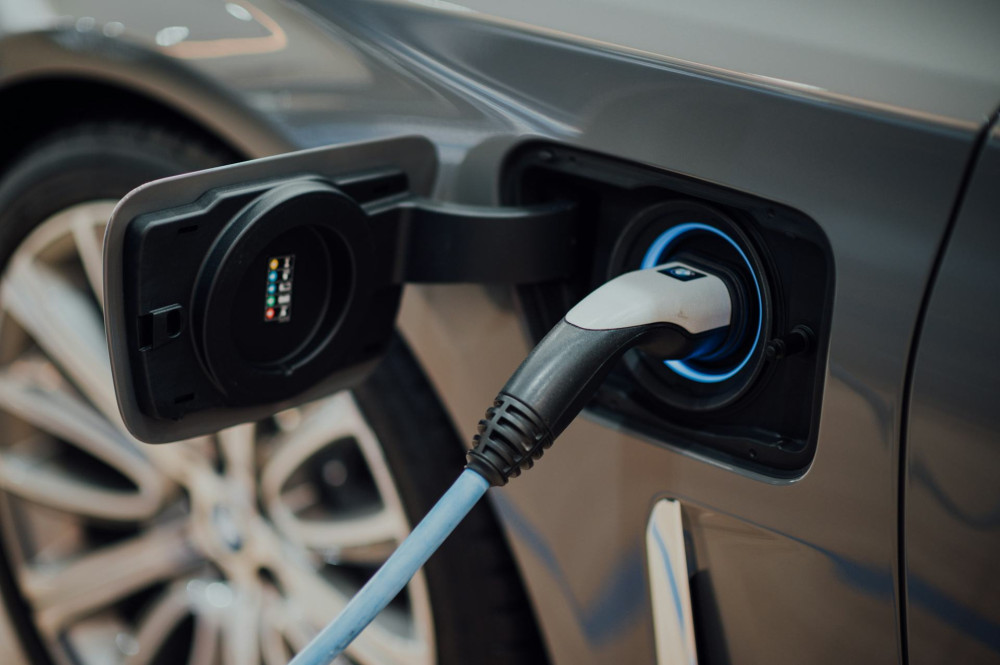
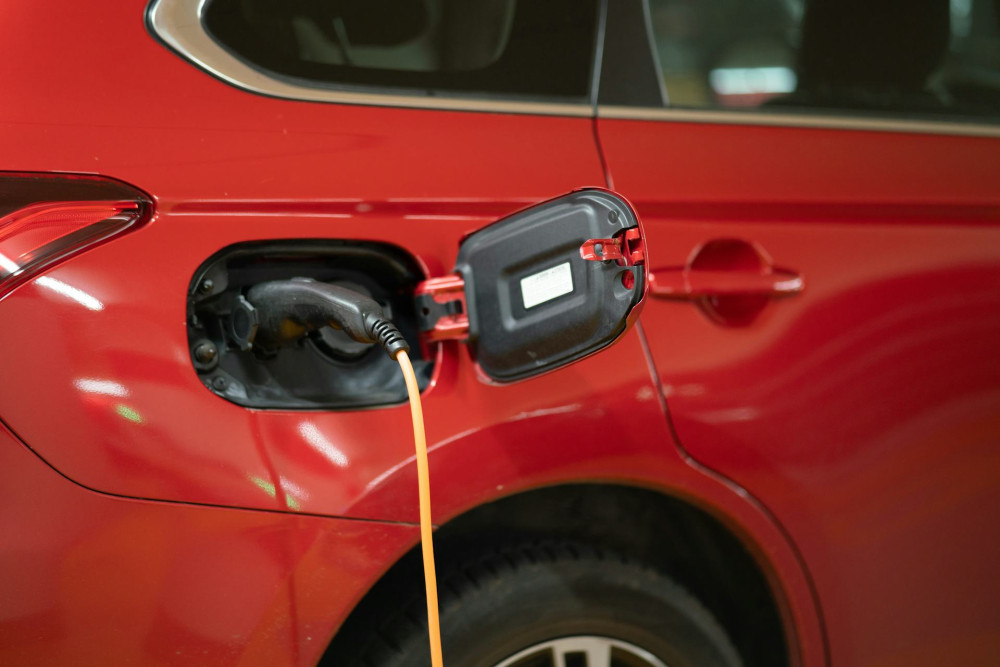
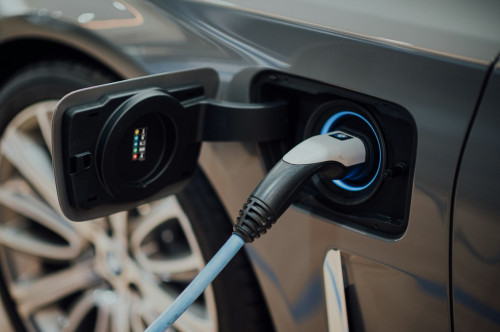
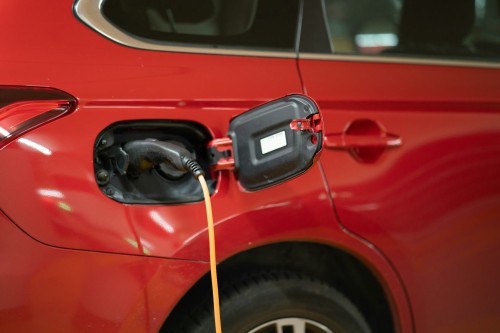
Think ahead about your future energy use as well. Are you planning to buy an electric vehicle or install a heat pump? Sizing your solar system to match your long-term energy needs can save you money and hassle down the road.
Check Local Permits and Utility Requirements
Most residential solar installations require permits from your local building department. Requirements vary by city and state, so check with your local authorities or your solar installer to ensure compliance. If you live in a homeowners association (HOA) community, review any guidelines or restrictions that may apply.
Once your system is installed, it must be connected to the utility grid. Your installer will typically handle the interconnection paperwork, but it’s good to understand your utility’s net metering policy—this determines how you’re credited for the excess electricity your system sends back to the grid.
Plan Your Budget and Explore Incentives
While solar prices have dropped significantly in recent years, it’s still a major investment. Get quotes from several reputable installers and compare not just price, but also equipment quality, warranties, and service options. Some companies offer financing or leasing programs that can make solar more affordable.
Don’t forget to look into federal, state, and local incentives. The federal solar tax credit currently allows homeowners to deduct a percentage of installation costs from their taxes, and many states and utilities offer additional rebates or performance-based incentives. Check the Database of State Incentives for Renewables & Efficiency (DSIRE) for up-to-date information.
Prepare for Installation Day
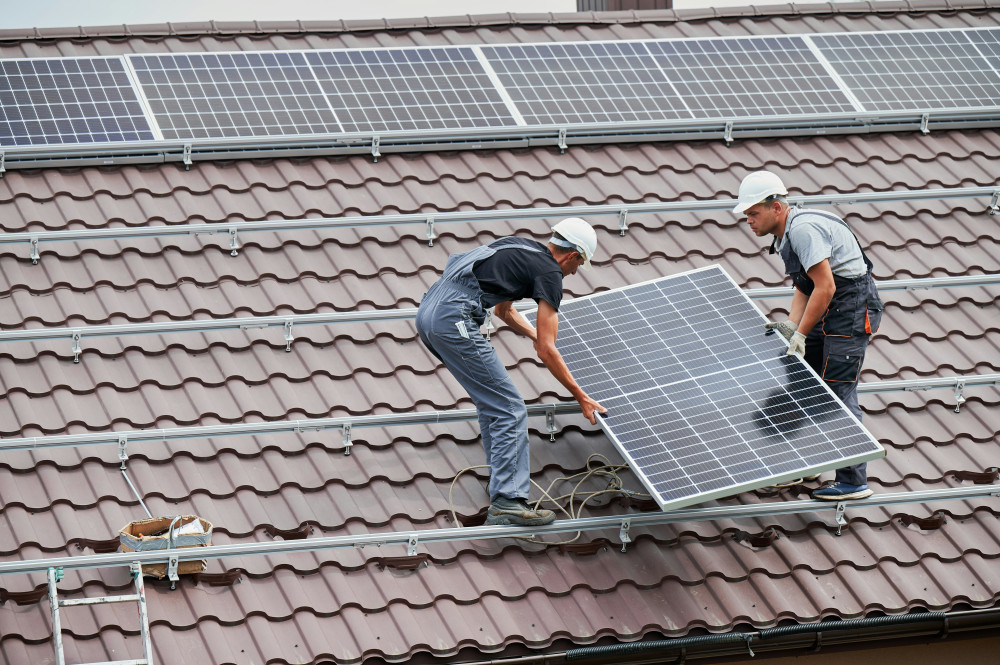
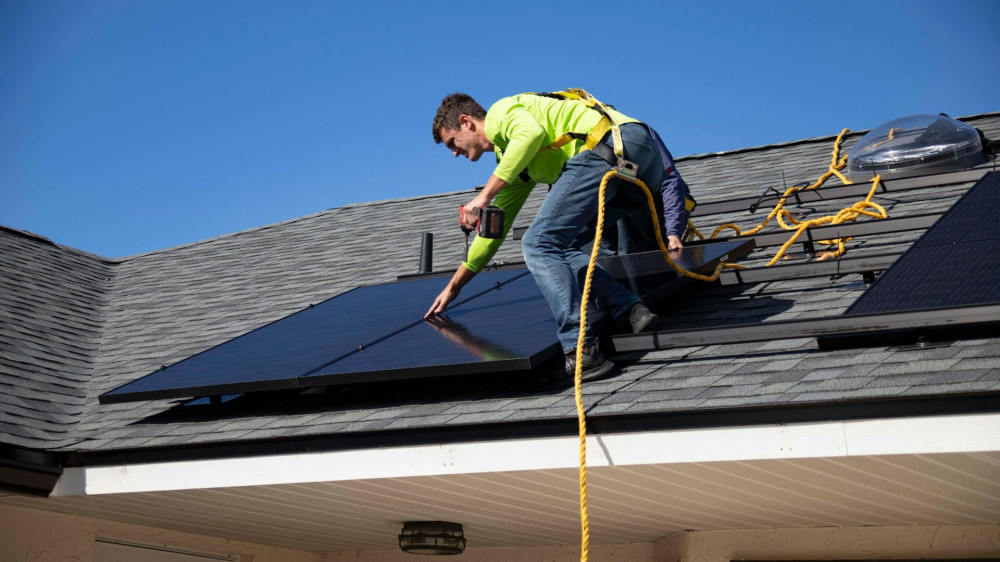
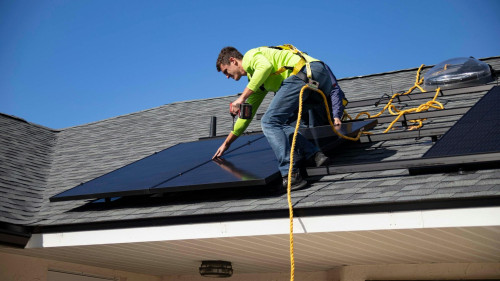
Once you’ve chosen your installer and secured the necessary approvals, it’s time to get ready for installation. Clear the area around your home so the crew has easy access to the roof and inverter location. Make sure there’s power available for tools and, if needed, an internet connection for system monitoring.
Most residential installations take one to three days, depending on system size and roof complexity. After installation, your installer will test the system, connect it to the grid, and walk you through how to monitor your energy production.
Enjoy the Benefits of Clean Energy
Once your solar panels are up and running, they require very little maintenance—usually just an occasional cleaning and a yearly inspection. In return, you’ll enjoy years of clean, renewable energy and lower electricity bills.
Preparing your home for solar isn’t just about the technical details—it’s about taking a proactive step toward a more sustainable lifestyle. With the right preparation, your solar investment can deliver maximum performance, long-term savings, and a brighter, greener future.
Læs også: