Tailored Wardrobe Focused on Longevity and Minimal Waste

Tailored Wardrobe Focused on Longevity and Minimal Waste
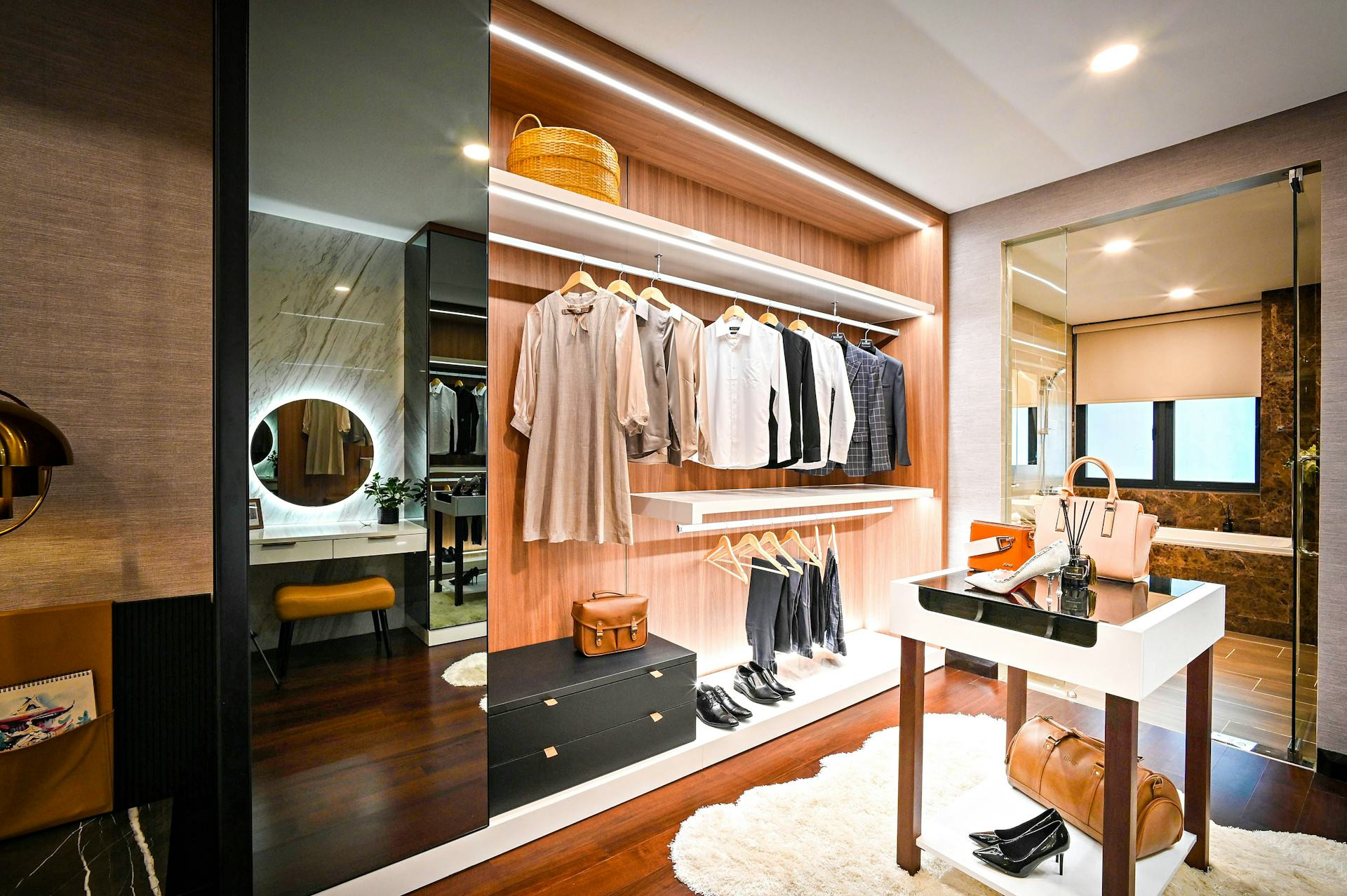
A tailored wardrobe is more than a matter of style and organization—it’s a conscious choice rooted in quality, functionality, and sustainability. As more Americans look to simplify their homes and reduce waste, a custom-designed wardrobe offers a way to create lasting order while supporting responsible consumption. Here’s how you can design a wardrobe that fits your space perfectly and stands the test of time.
Plan for the Long Term
A wardrobe built to last begins with thoughtful planning. Consider your current lifestyle and how it might evolve. Do you need space for workwear, casual outfits, and seasonal clothing? Will your storage needs change as your family grows or your routines shift?
Investing in flexible systems—adjustable shelves, drawers, and hanging rods—ensures your wardrobe can adapt over time. Instead of replacing furniture as your needs change, you can simply reconfigure what you already have.
Quality Over Quantity
When choosing materials, prioritize durability and timeless design. Solid wood, high-quality veneers, and sturdy hardware can last for decades with proper care. While cheaper options may seem appealing, they often wear out quickly and end up costing more in the long run.
Opt for neutral tones and classic lines that won’t go out of style. A simple, elegant wardrobe can easily be refreshed with new handles, lighting, or small decorative details when you want a change—without the need for a full remodel.
Minimize Waste in the Design Process
A custom wardrobe allows you to make the most of every inch of space while reducing material waste. By taking precise measurements and designing to fit your room exactly, you avoid unnecessary offcuts and excess materials.
Many U.S. cabinetmakers and furniture companies now offer digital design tools that let you visualize your wardrobe before it’s built. This helps ensure you order exactly what you need—no more, no less. If you’re working with a local carpenter, ask how they handle leftover materials. Some reuse scraps for smaller projects or donate them to community workshops and schools.
Sustainable Materials and Production
Sustainability is becoming a key focus in American home design. Look for materials certified by organizations such as the Forest Stewardship Council (FSC), which ensures wood comes from responsibly managed forests. Choose finishes and paints that are low in volatile organic compounds (VOCs) to protect both indoor air quality and the environment.
You can also blend new and reclaimed elements for a unique, eco-friendly result. Repurposing old cabinet doors or shelving not only adds character but also reduces the demand for new resources. Many U.S. salvage stores and online marketplaces make it easy to find quality reclaimed materials.
Maintenance for Long Life
Even the best-built wardrobe needs a little care to stay beautiful and functional. Dust regularly and use gentle cleaning products that won’t damage surfaces. Lubricate hinges and drawer slides occasionally to keep them moving smoothly.
Address small issues as soon as they appear—a loose screw or a minor scratch is much easier to fix early on. With consistent upkeep, your wardrobe can remain sturdy and attractive for many years.
An Investment in Your Home and Lifestyle
A tailored wardrobe is more than just storage—it’s an investment in comfort, aesthetics, and sustainability. By choosing solutions that fit your space and your habits, you create a home that’s both practical and enduring.
In a culture increasingly aware of environmental impact, designing with longevity and minimal waste in mind is a meaningful step toward a more responsible way of living. It’s good for the planet—and for you, as you enjoy a wardrobe that serves you beautifully for years to come.