Use Subsidies to Make Eco-Friendly Solutions More Affordable


Use Subsidies to Make Eco-Friendly Solutions More Affordable
Choosing eco-friendly solutions for your home is good for both the planet and your wallet in the long run—but the upfront costs can be daunting. Solar panels, heat pumps, home insulation, and electric vehicles often require significant investment before the savings begin to show. Fortunately, there are a variety of federal, state, and local programs that can make it easier to go green. Here’s how you can use subsidies and incentives to make sustainable choices more affordable.
Why Subsidies Matter
Many Americans want to reduce their carbon footprint but hesitate when they see the price tag on green technology. Subsidies and tax incentives are powerful tools to help bridge that gap. They shorten the payback period on investments and make it possible for more households to choose sustainable options that might otherwise be out of reach.
At the same time, subsidies are a way for government and utilities to accelerate the transition to clean energy. When more people adopt energy-efficient technologies, overall energy demand drops, and greenhouse gas emissions decline. It’s a win for both individuals and society.
Key Subsidy and Incentive Programs
There are several programs that can help you save money when upgrading your home or vehicle to be more eco-friendly. Here are some of the most relevant options in the United States:
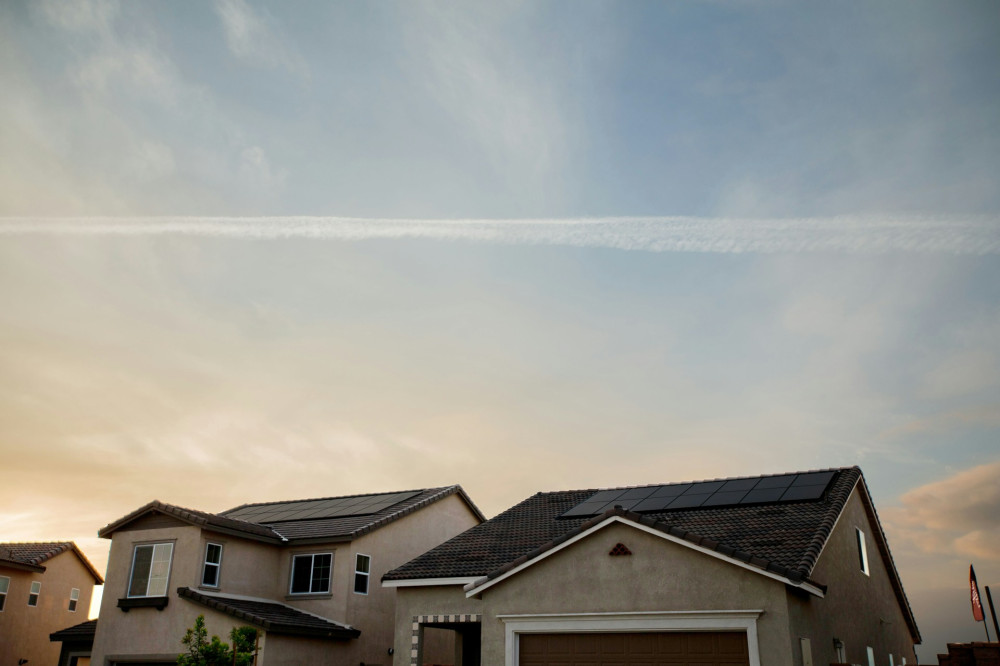
- Federal Tax Credits – The federal government offers tax credits for installing solar panels, geothermal heat pumps, small wind turbines, and other renewable energy systems. Under the Inflation Reduction Act, many of these credits have been extended and expanded through the 2030s.
- Energy-Efficient Home Improvement Credit – Homeowners can receive credits for improvements such as insulation, energy-efficient windows, doors, and HVAC systems.
- Electric Vehicle (EV) Tax Credits – Depending on the make and model, you may qualify for a federal tax credit of up to $7,500 when purchasing a new EV. Some used EVs also qualify for smaller credits.
- State and Local Incentives – Many states and municipalities offer additional rebates or grants for renewable energy installations, EV charging stations, or home energy audits. Check your state’s energy office or local utility for details.
- Utility Rebates – Power companies often provide rebates for energy-efficient appliances, smart thermostats, or home energy upgrades.
It’s worth exploring both national and local opportunities, as they can often be combined for even greater savings.
How to Apply for Subsidies
The process for applying varies by program, but there are some general steps to follow:
- Research the requirements carefully – Each program has specific eligibility criteria, including which products and contractors qualify.
- Get multiple quotes – You’ll usually need to document your expenses, so obtain written estimates from certified installers or suppliers.
- Apply before starting the project – Many programs require approval before work begins, so don’t start installations until your application is accepted.
- Keep all documentation – Save invoices, product certifications, and photos of completed work. You’ll need them when claiming your credit or rebate.
While the paperwork can seem tedious, many contractors are familiar with these programs and can help guide you through the process.
Læs også:




Combine Subsidies with Energy Savings
Even with subsidies, it’s smart to think holistically about your home’s energy use. A heat pump, for example, performs best in a well-insulated home. Similarly, solar panels can be paired with battery storage or smart energy management systems to maximize efficiency.
By combining multiple improvements, you can increase comfort, reduce energy bills, and improve your home’s long-term value. Think of subsidies as a boost to get started—not the only benefit.
Think Long-Term—and Green
While subsidies can make a big difference upfront, the real payoff comes over time. Energy-efficient upgrades can raise your property value, lower your utility bills, and protect you from fluctuating energy prices.
At the same time, you’re contributing to a cleaner, more sustainable future. Every household that chooses eco-friendly solutions helps move the country closer to its climate goals.
Making It Easier to Choose Green
Subsidies and incentives make it possible for more Americans to take meaningful steps toward sustainability. They lower financial barriers and send a clear message that going green isn’t just for those with large budgets.
By taking advantage of available programs, you can save money, improve your home’s comfort, and help drive the clean energy transition—a smart investment that pays off in more ways than one.
Læs også: