Choose Low-Odor, Low-Emission Paint for Your Bathroom

Choose Low-Odor, Low-Emission Paint for Your Bathroom
When it’s time to refresh your bathroom, color and finish aren’t the only things to think about. The type of paint you choose also affects your indoor air quality, your health, and the durability of the finish. Bathrooms are humid spaces with limited ventilation, so it’s important to pick a paint that can handle moisture while being gentle on you and the environment. Here’s why low-odor, low-emission paint is the best choice—and how to find the right one for your home.
What Does Low-Odor and Low-Emission Mean?
Low-odor, low-emission paints contain fewer volatile organic compounds (VOCs). These are the chemicals that evaporate as paint dries, creating that strong “paint smell” and potentially affecting indoor air quality.
- Low-odor means the paint releases little to no unpleasant smell during and after application.
- Low-emission means the paint emits very few chemical compounds into the air—both while you’re painting and long after it dries.
These qualities make the paint more comfortable to work with and help maintain a healthier indoor environment, especially in small, enclosed spaces like bathrooms.
Læs også:

Why It Matters in the Bathroom
Bathrooms face constant challenges from steam, humidity, and temperature changes. Without the right protection, moisture can seep into walls and create conditions for mold and mildew growth.
High-quality, low-emission paints are often designed to be breathable, allowing moisture to escape rather than get trapped behind the paint layer. They’re also washable and moisture-resistant, so you can easily wipe away water spots and soap residue without damaging the surface.
By choosing a paint that’s both durable and environmentally responsible, you’ll keep your bathroom looking fresh longer—without compromising your health.
How to Choose the Right Paint
Standing in the paint aisle or browsing online can be overwhelming. Here are a few things to look for when selecting paint for your bathroom:
- Check for certifications such as GREENGUARD Gold or Green Seal. These labels indicate low VOC content and safer indoor air quality.
- Choose paint formulated for bathrooms or high-humidity areas. These products contain special binders that resist moisture and mildew.
- Consider the sheen level. A higher sheen (like satin or semi-gloss) is more washable and better at repelling moisture.
- Opt for water-based paint. It’s easier to clean up, dries faster, and generally emits fewer VOCs than oil-based alternatives.
If you’re unsure, read the manufacturer’s technical data sheet or ask a paint specialist. They can help you find a product that’s both moisture-resistant and low in emissions.
Tips for Application
Even the best paint needs proper preparation and application to perform well.
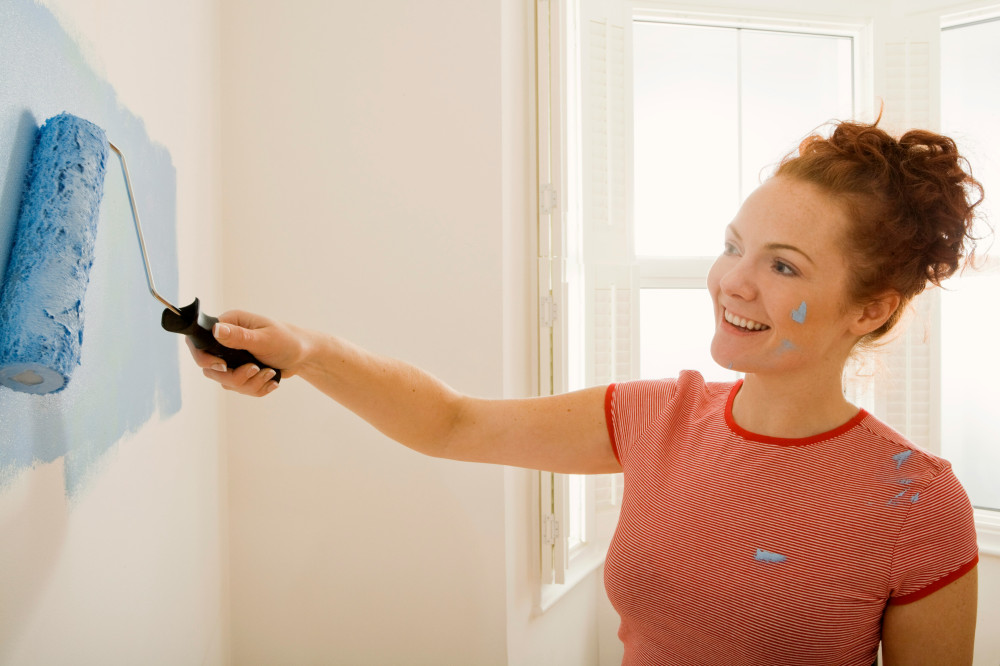
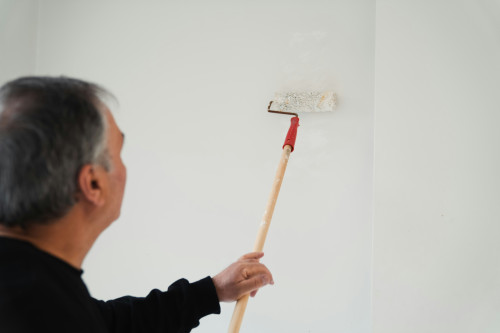
- Prep the walls thoroughly. Remove soap scum, mildew, and dust, and make sure the surface is completely dry.
- Use a moisture-resistant primer. This helps the paint adhere better and adds an extra layer of protection.
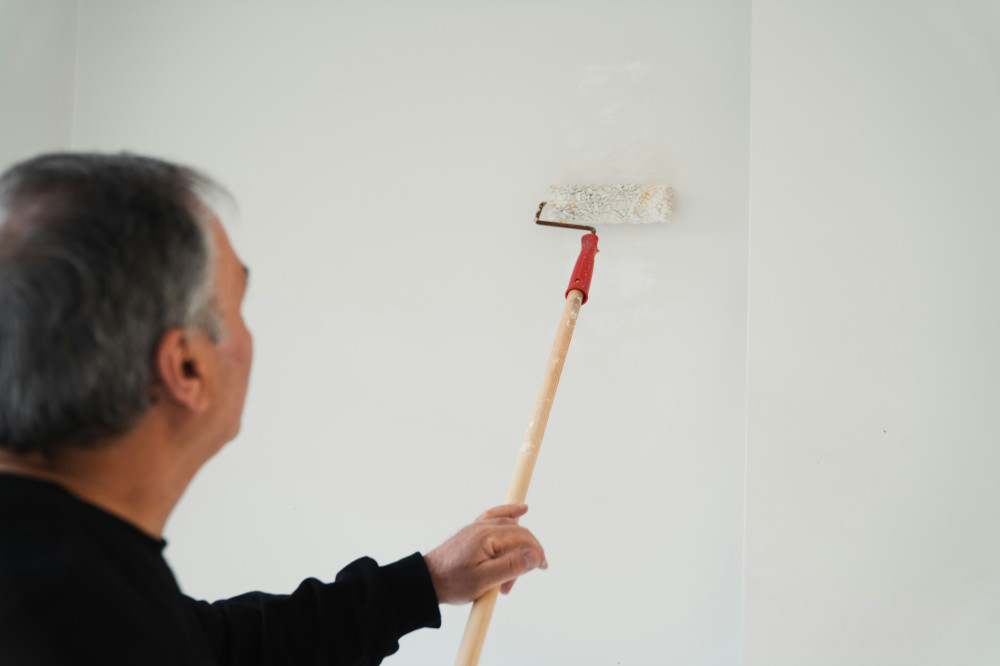
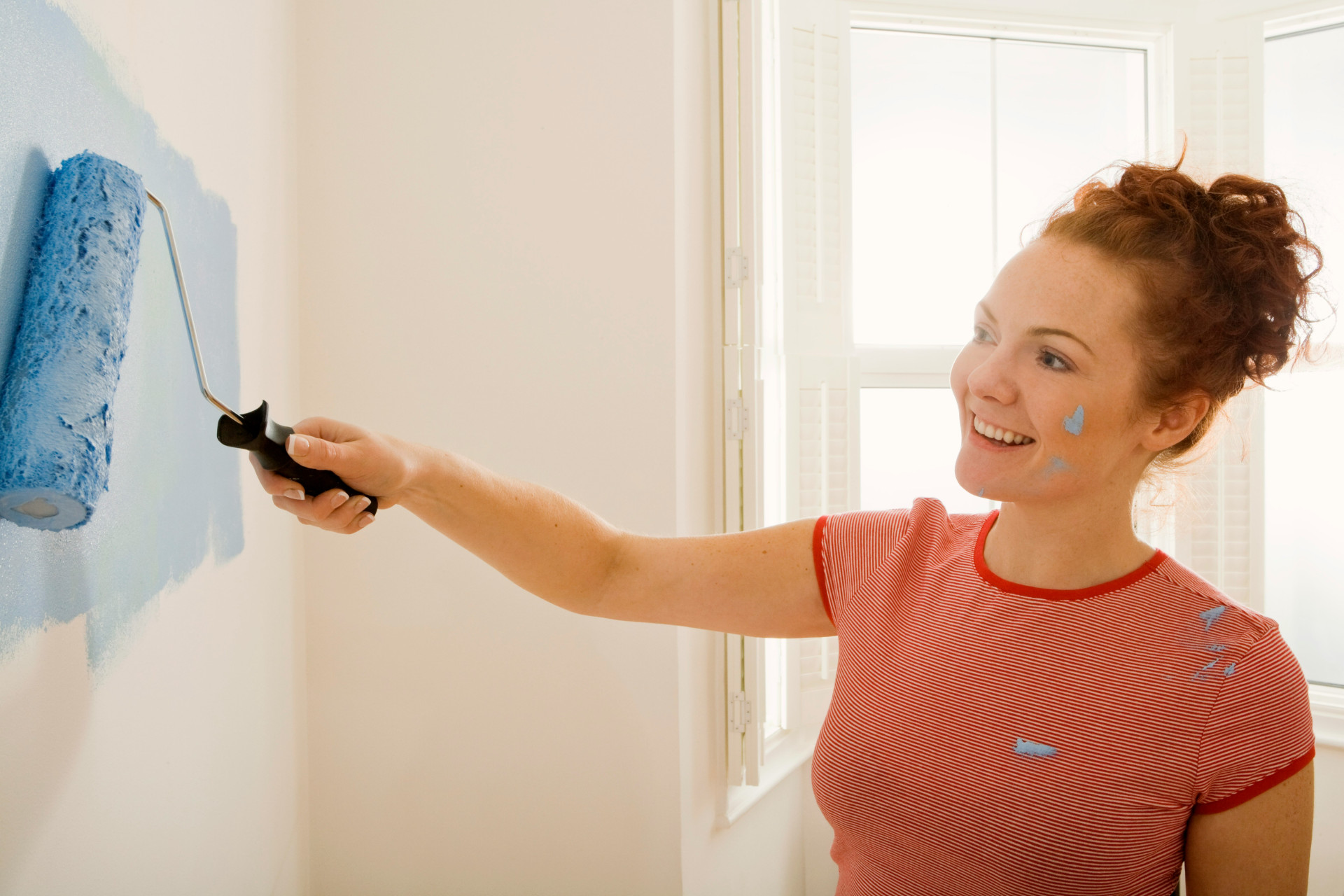
- Apply thin, even coats. Two coats usually provide the best coverage and durability.
- Ventilate the space. Even with low-odor paint, open windows or use a fan to keep air circulating while you work and as the paint dries.
Once you’re done, you’ll have a bathroom that looks great, feels fresh, and supports a healthier home environment.
A Healthier Choice for You and the Planet
Choosing low-odor, low-emission paint isn’t just about comfort—it’s about making a responsible choice for your home and the environment. You’ll reduce your exposure to unnecessary chemicals, improve indoor air quality, and minimize your environmental footprint.
It’s a small decision that makes a big difference—for your health, your home, and the planet.
Læs også: