Create Harmony Between the Woodwork’s Color and the Home’s Other Materials

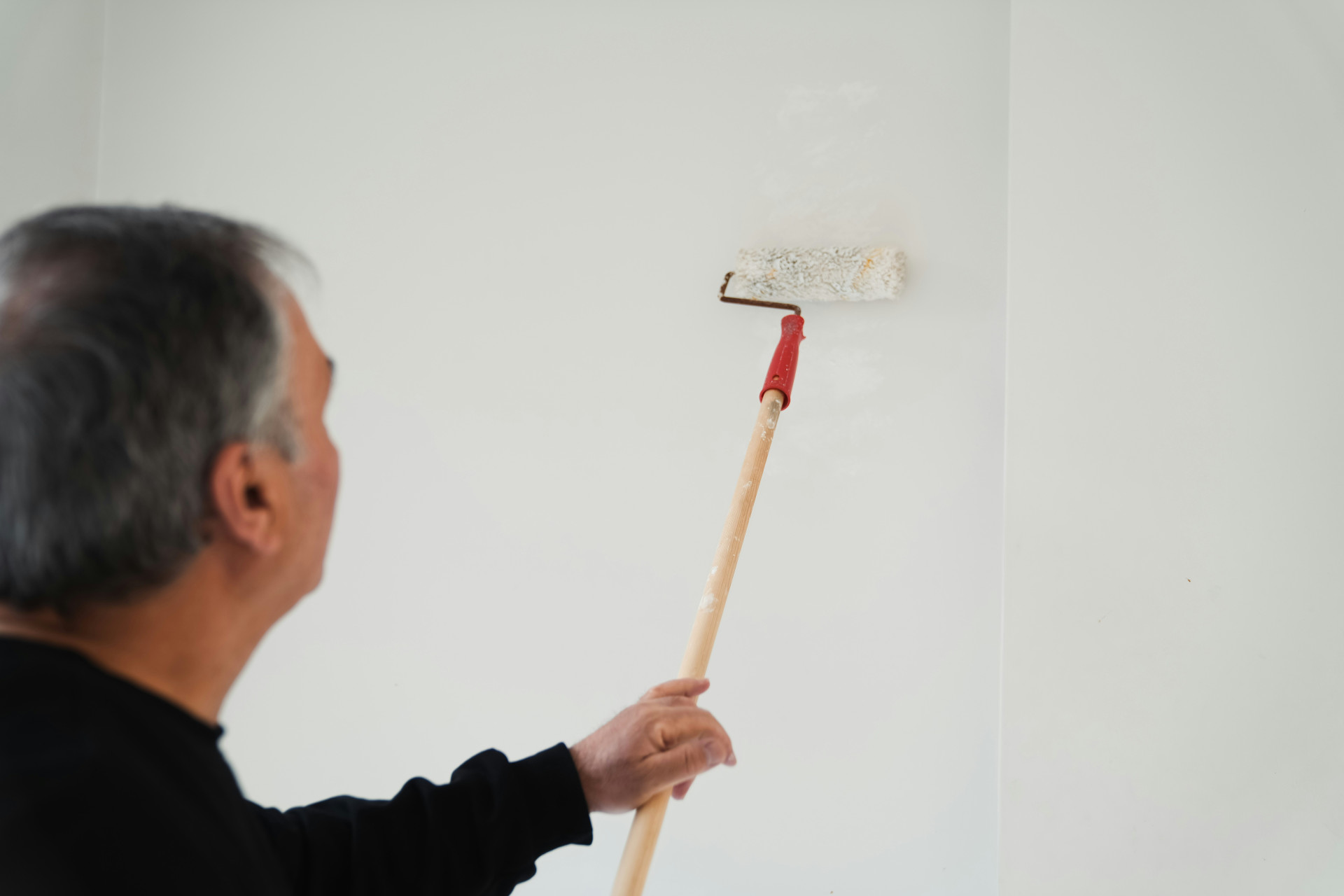
Create Harmony Between the Woodwork’s Color and the Home’s Other Materials
When choosing a color for your home’s woodwork—whether it’s trim, doors, shutters, or fencing—it’s about more than just looks. The right color can tie together the home’s architecture, materials, and surroundings, creating a sense of balance and unity. The wrong one can make the house feel disjointed or out of place. Here’s how to create harmony between your woodwork’s color and the other materials that make up your home.
Start with the Big Picture
Before picking a paint color, take a step back and look at your home as a whole. What materials dominate the exterior? Is the siding brick, stucco, wood, or fiber cement? What color is the roof? How do the landscaping and neighborhood influence the overall impression?
A good starting point is to consider your home’s architectural style and era. A Craftsman bungalow often looks best with earthy, muted tones, while a modern home can handle bold contrasts and sleek finishes.
Take photos of your home in different lighting conditions—morning, midday, and evening—to see how colors shift in sunlight and shade. This will help you visualize how your chosen woodwork color will interact with the rest of the house.
Colors That Complement Brick, Siding, and Roofing
Your home’s main materials set the tone for what woodwork colors will look best.
- Red or brown brick: Warm, natural shades like deep green, charcoal, or dark brown work beautifully. They enhance the brick’s texture and create a cohesive, grounded look.
- Light-colored siding or stucco: These surfaces invite contrast. Black, navy, or dark gray trim can add a modern edge, while white or soft gray woodwork keeps things airy and classic.
- Wood exteriors: If your home is primarily wood, aim for subtle variation rather than stark contrast. Choose a tone that’s one or two shades lighter or darker than the main color to add depth without breaking the harmony.
Don’t forget the roof. A dark roof can be balanced with lighter trim, while a light roof often benefits from darker accents to anchor the design.
Consider the Surroundings
Your home doesn’t exist in isolation. The colors of your landscaping, driveway, neighboring houses, and even the local climate all play a role.
Homes surrounded by trees and greenery often look best in natural, earthy tones that blend with the environment. In suburban or urban settings with lighter façades, a bolder trim color can add personality without overwhelming the design.
If you live near the coast, take inspiration from the landscape—soft blues, grays, and whites echo the tones of sand, sky, and sea, creating a relaxed, timeless feel.
Classic or Contemporary Style?
Your color choices say a lot about your home’s character.
- Classic look: Choose timeless, subdued colors like forest green, black, brown, or white. These shades suit traditional homes and create a calm, elegant appearance.
- Modern look: Experiment with contrast. Black trim against a white or light-gray exterior—or vice versa—creates a crisp, contemporary aesthetic.
- Natural modern: Combine neutral grays, taupes, and wood tones with materials like stone or concrete for a minimalist, balanced look that feels both warm and modern.
The key is to let the colors enhance your home’s architecture rather than compete with it.
Test Before You Commit
Colors rarely look the same on a wall as they do on a paint chip. Light, shadow, and surrounding materials all affect perception.
Always test your chosen color on a piece of wood and place it in different spots around your home. Observe it in sunlight, shade, and overcast conditions. You can also paint a small section of the actual trim to see how it interacts with the siding and roof.
Læs også:



Think About Maintenance and Durability
Practical considerations matter too. Dark colors tend to fade faster in strong sunlight, while light colors can show dirt more easily.
Choose a high-quality exterior paint or stain suited to your climate—whether that means UV protection for sunny regions, moisture resistance for humid areas, or flexibility for places with wide temperature swings. Regular maintenance will keep your woodwork looking fresh and protect it from weathering and decay.
A Home in Balance
Creating harmony between your woodwork’s color and your home’s other materials is ultimately about balance. When colors, textures, and surroundings work together, your home feels cohesive, welcoming, and enduring.
Take your time to study the whole picture, test your options, and choose colors that reflect both your home’s style and your personal taste. The result will be a home that feels just right—every time you pull into the driveway.
Læs også: