Combine Art Forms to Create Dynamic Energy in Your Home

Combine Art Forms to Create Dynamic Energy in Your Home
A home filled with art feels alive, personal, and inspiring. But why stop at one art form when you can create even more energy by combining several? Paintings, sculptures, textiles, and photography can interact in ways that both surprise and harmonize. By mixing styles, materials, and expressions, you can design a home that tells your story—and one that never feels static.
Create Contrast with Intentional Mixing
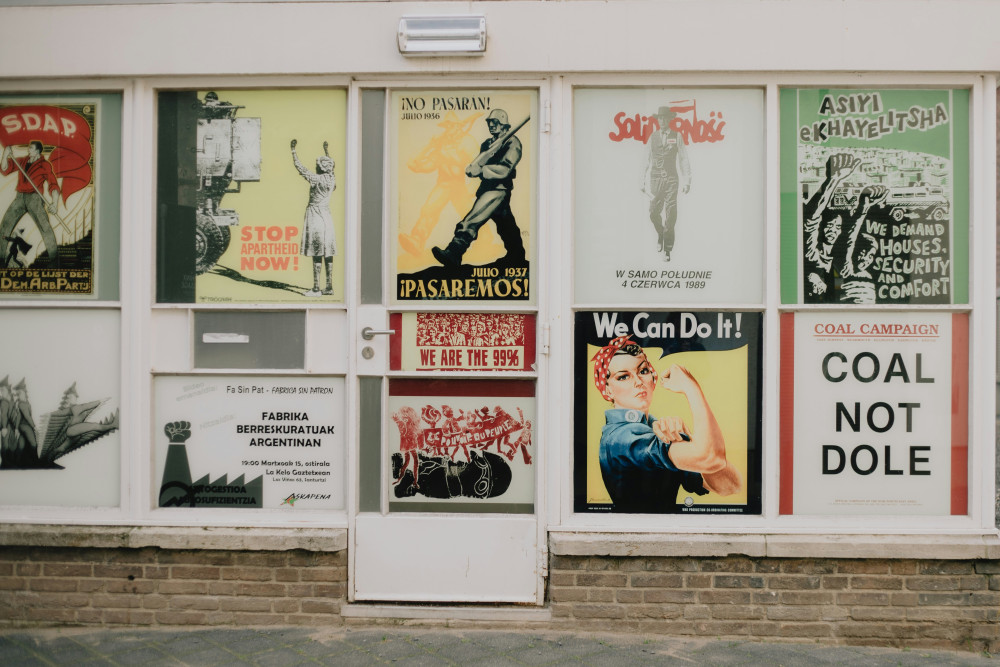
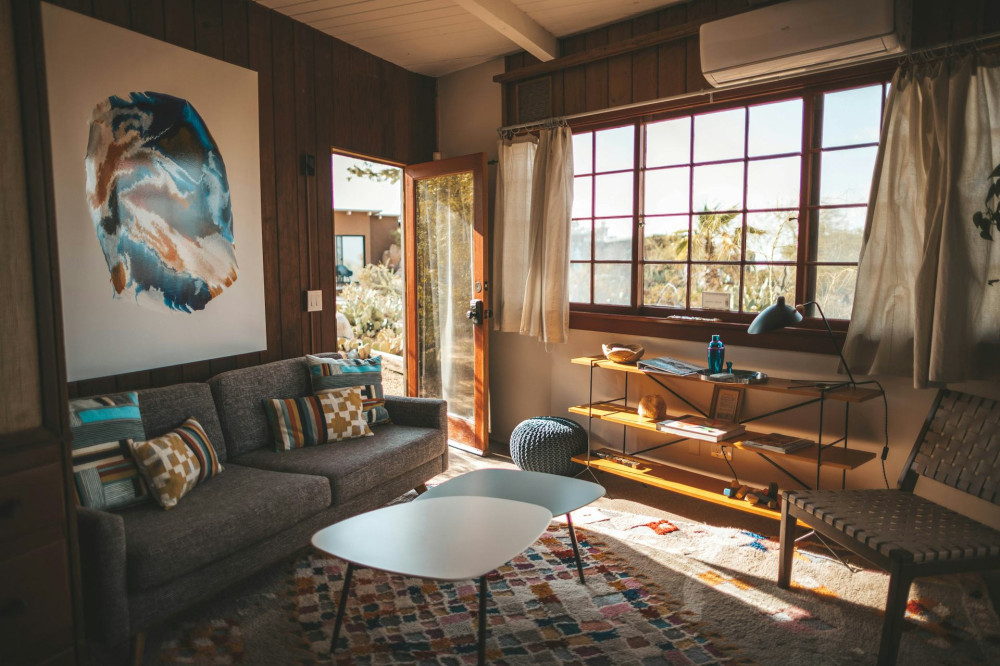
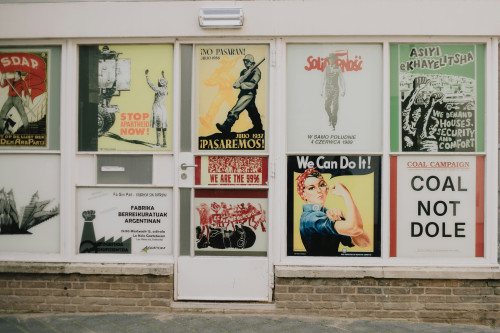
Combining different art forms isn’t about filling your walls at random; it’s about finding a thoughtful balance between contrast and cohesion. A sleek black-and-white photograph can gain new depth when placed beside a colorful abstract painting. A ceramic sculpture can break up the flatness of a wall-dominated space, while a woven textile can add warmth and texture to a modern interior.
Think in terms of rhythm and movement: how does the eye travel from one piece to the next? By varying scale, shape, and material, you can create a visual flow that feels both dynamic and balanced.
Læs også:
Use Color and Material as Common Threads
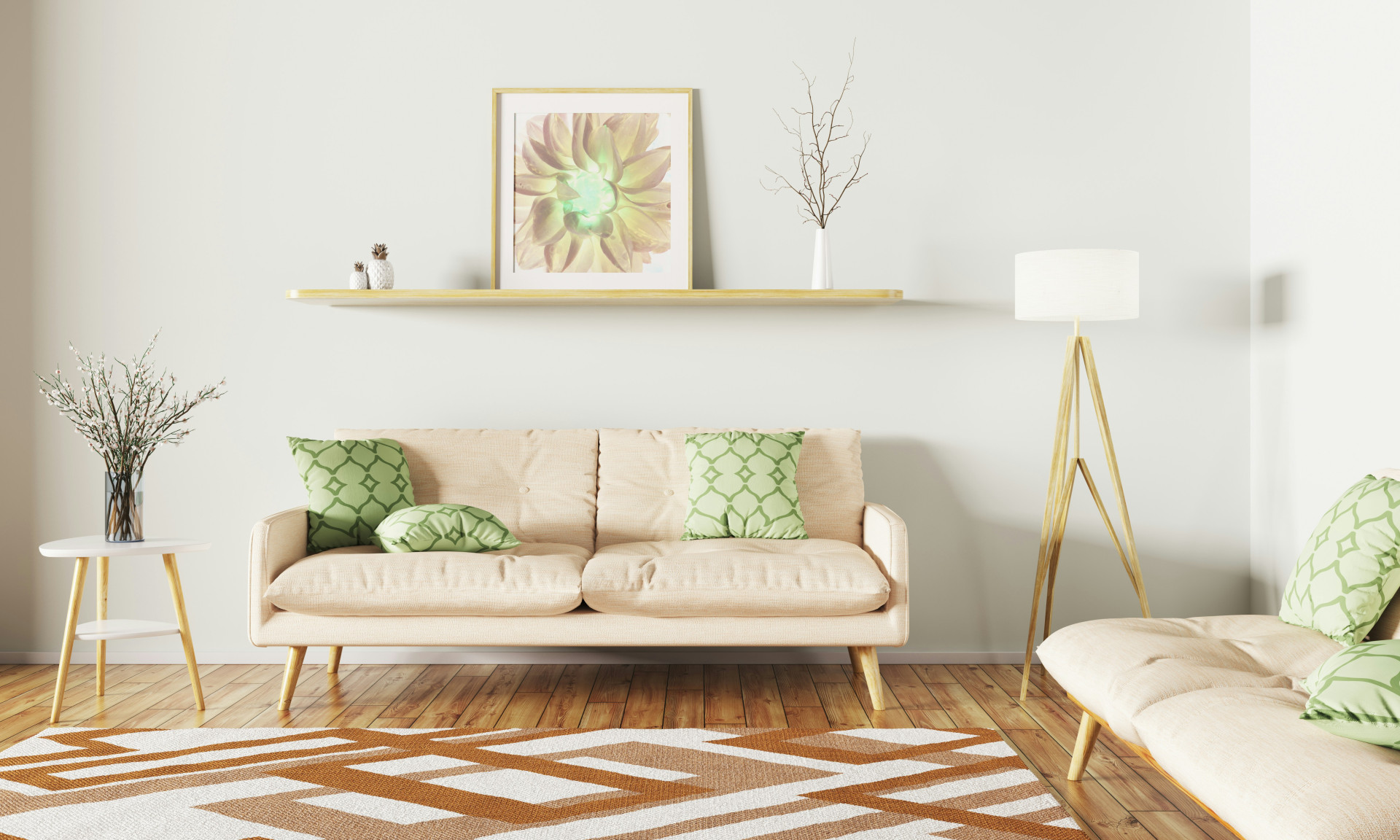
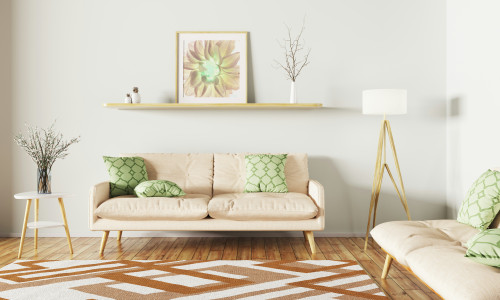
Even when you mix art forms, you can create harmony through color and material. Repeat a hue from a painting in a sculpture or a piece of furniture, or let a particular surface—like wood, glass, or metal—reappear in multiple elements. This repetition brings calm and unity, even when the styles differ.
A helpful approach is to choose one dominant color palette and let each piece vary within it. That way, you can combine everything from graphic prints to handwoven textiles without losing a sense of coherence.
Give Space to Three-Dimensional Works
Art isn’t limited to what hangs on the wall. Three-dimensional pieces can transform the energy of a room. A sculpture on a pedestal, a hand-thrown ceramic vase, or a glass art piece can add depth and movement. Place them where they have light and breathing room—and where they can be appreciated from multiple angles.
In open spaces, sculptures can help define zones or guide movement. In smaller rooms, a few carefully placed objects on shelves or tables can add variety without overwhelming the space.
Art in Textiles and Everyday Objects
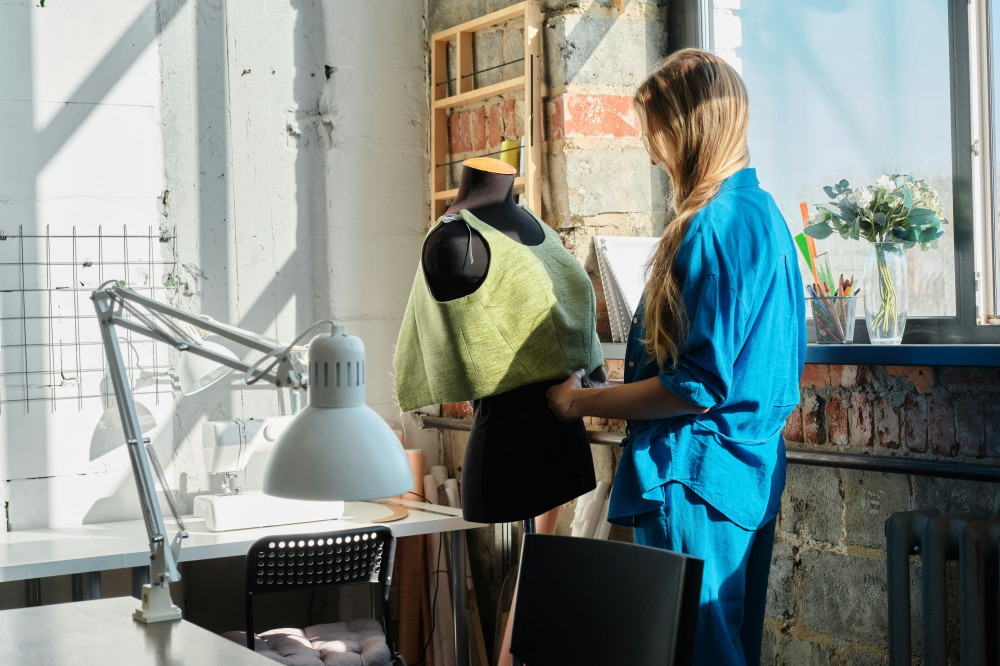
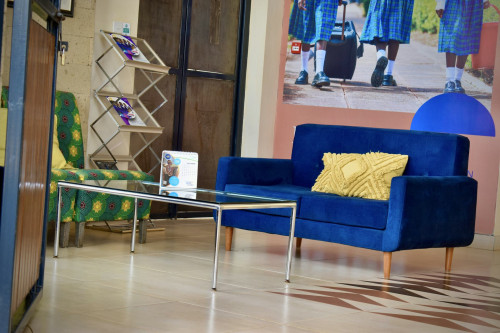
Art doesn’t always have to be framed. Textiles, pillows, rugs, and lighting can also serve as artistic expressions. Many American designers and artisans work at the intersection of art and function, creating pieces that bring creativity into daily life. By incorporating their work, you can make your home a place where beauty and practicality coexist.
A hand-painted wall hanging or a one-of-a-kind mug from a local ceramicist can be just as much a work of art as a painting. It’s about noticing the artistry in small details and letting them contribute to the overall atmosphere.
Refresh and Play with Your Display
A home filled with art should evolve over time. Rotate pieces with the seasons, or move them around to see them in new contexts. This keeps your space feeling fresh and helps you experience your collection in new ways. You can even involve family or friends in choosing which works to highlight—it sparks conversation and connection.
If you have a large collection, consider creating small themed displays: a wall of nature-inspired works, one of portraits, or one of abstract forms. This structure makes it easier to experiment and keeps your home gallery engaging.
A Personal Gallery in Motion
Combining art forms is ultimately about creating a home that feels alive and uniquely yours. When you dare to mix painting with sculpture, textile with photography, and vintage with contemporary, a special kind of energy emerges. It’s not just visually appealing—it reflects who you are and how you experience the world.
A home where art is in motion is a home that inspires—every single day.
Læs også: