Look Up: Create a Sense of Height with Wall Art

Look Up: Create a Sense of Height with Wall Art
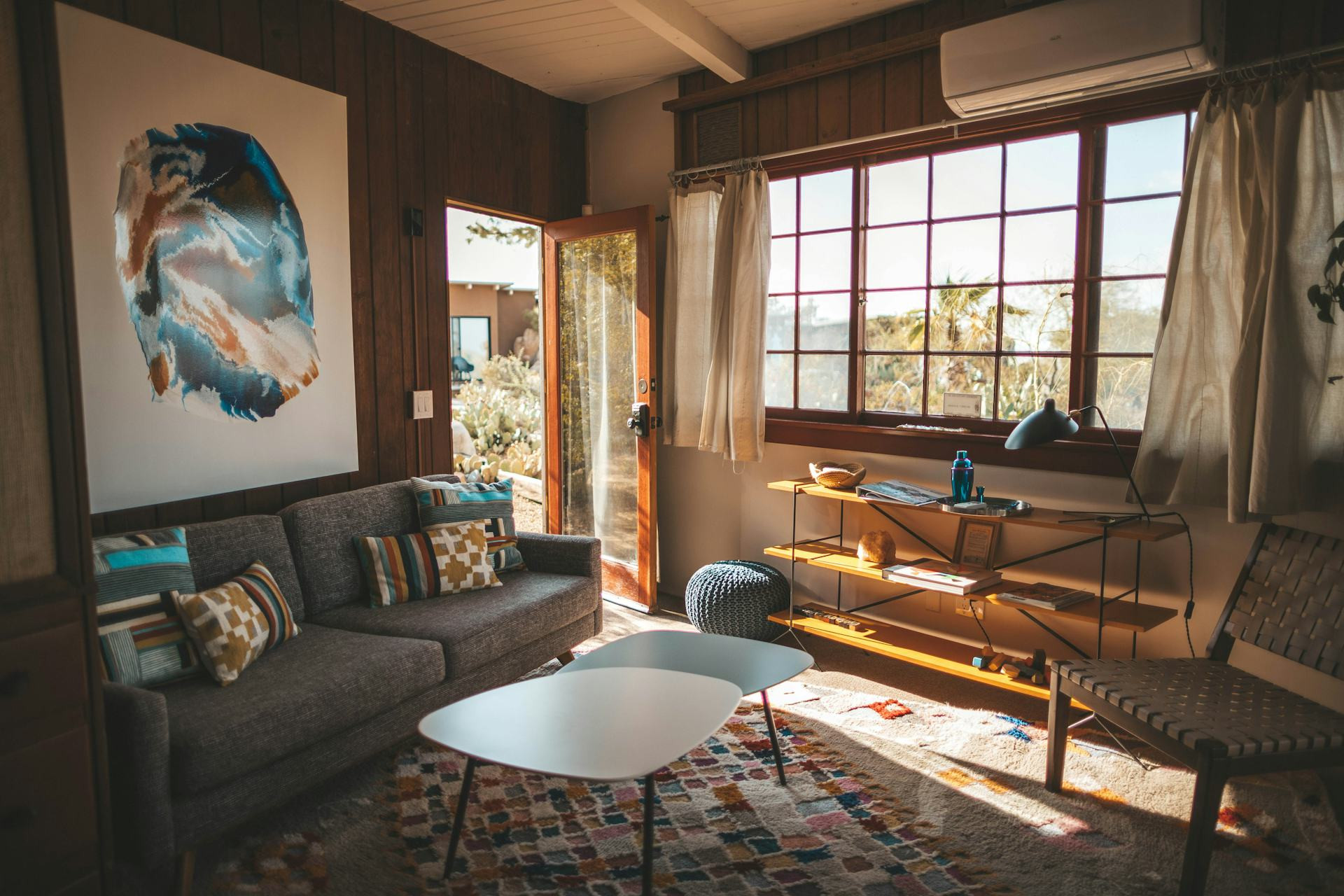
When you walk into a room, the walls often set the mood. They can make a space feel open and airy—or closed in and heavy. Wall art isn’t just about decoration; it’s about shaping how we experience a room’s proportions and atmosphere. With the right choices, you can make your space feel taller, brighter, and more balanced. Here’s how to use art as a design tool to lift your walls—and your perspective.
Emphasize Vertical Lines and Upward Movement
One of the simplest ways to create the illusion of height is to work with vertical lines. Art that draws the eye upward—like portraits, abstract pieces with vertical shapes, or nature scenes featuring trees or skyscrapers—can make your ceiling seem higher than it really is.
Try hanging your artwork slightly above eye level. This subtle shift encourages the eye to move upward, giving the room a lift. If you’re displaying multiple pieces, arrange them in a vertical column rather than side by side. The result is a visual stretch that elongates the wall.
Choose Light Colors and Airy Frames
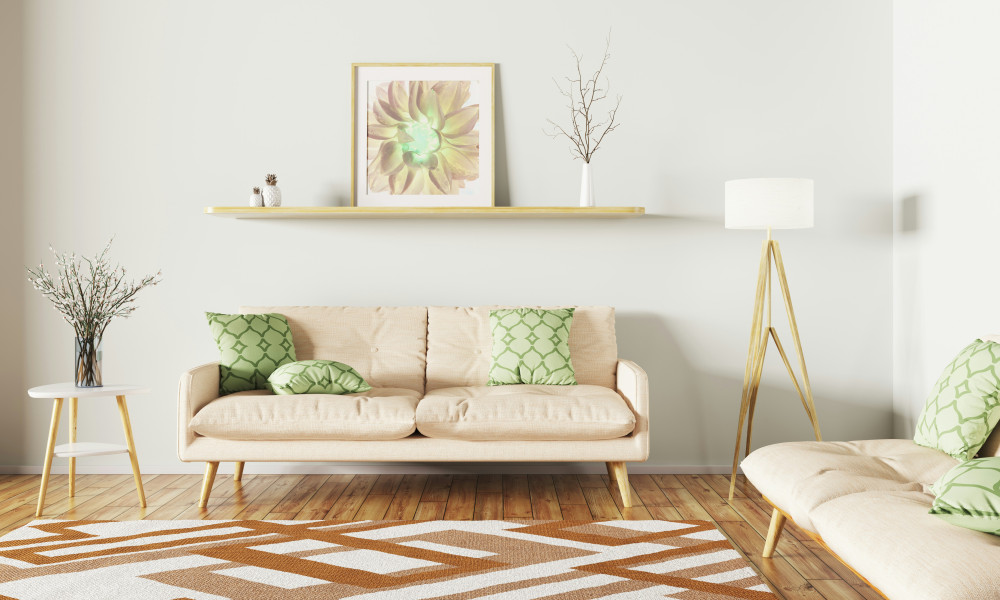
Color has a powerful effect on how we perceive space. Dark tones can make walls feel closer, while light hues open them up. Art with pale backgrounds, soft pastels, or translucent brushwork can help create a sense of lightness and space.
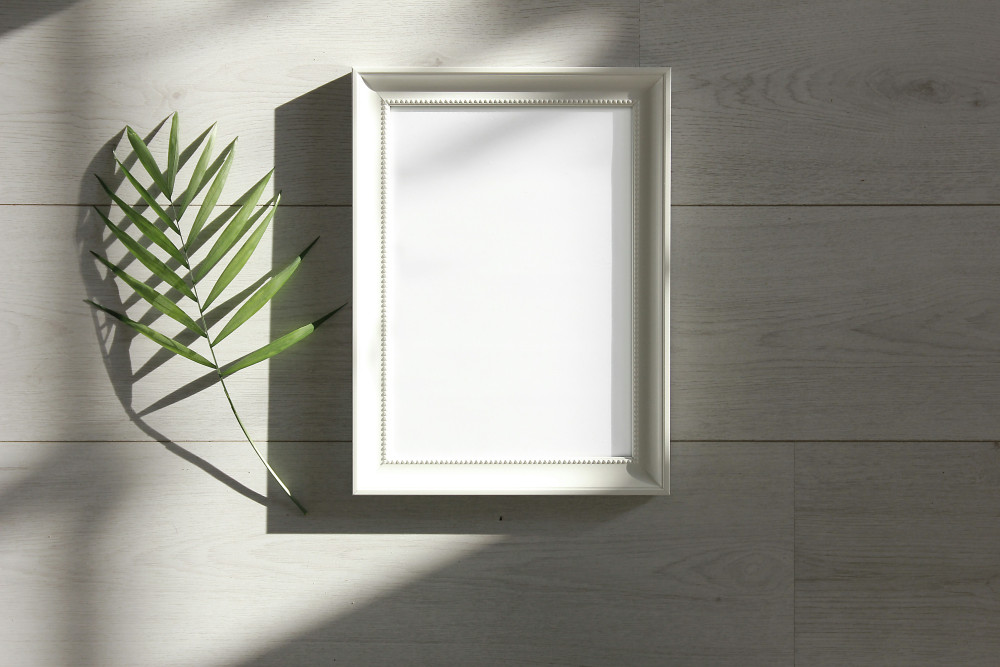
Frames matter, too. A slim, light-colored frame—or even a frameless canvas—feels more weightless than a thick, dark border. Give your artwork room to breathe by leaving generous space around it. This not only highlights the piece but also helps the wall feel taller and less crowded.
Læs også:
Connect the Wall and Ceiling
To enhance the sense of height, let your art interact with the architecture. A tall, narrow piece placed near the ceiling can visually link the wall to the upper part of the room. You can also experiment with painted panels or murals that extend partway up toward the ceiling, creating a graceful transition that makes the space feel larger.
In rooms with sloped ceilings or low height, use art to “pull” the lines upward. A piece that follows the angle of the wall or a series of artworks that gradually rise in placement can create a dynamic rhythm that tricks the eye into perceiving more vertical space.
Think in Series and Visual Rhythm
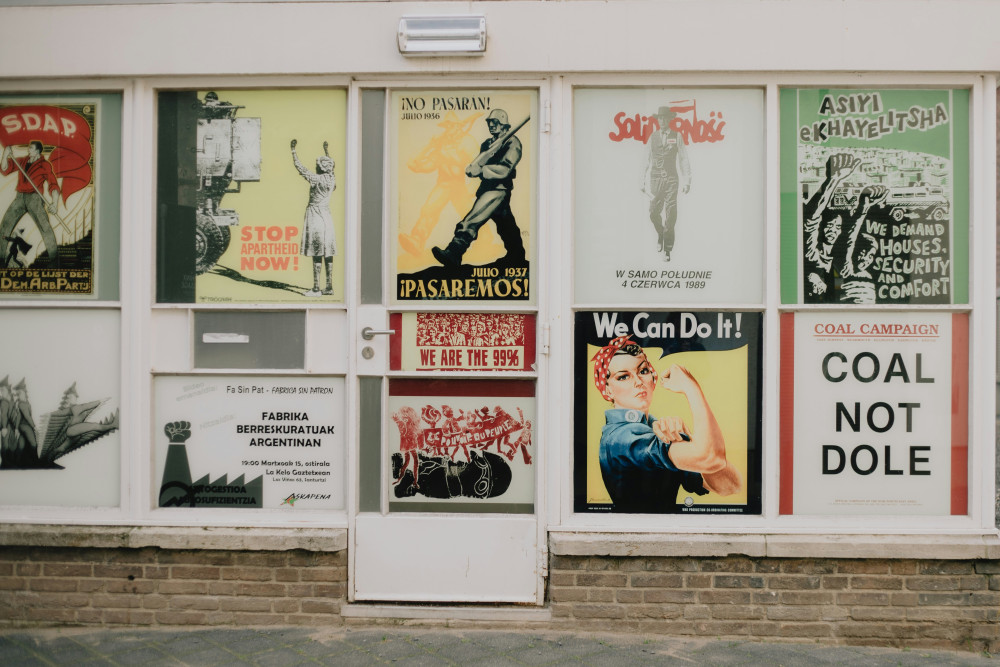
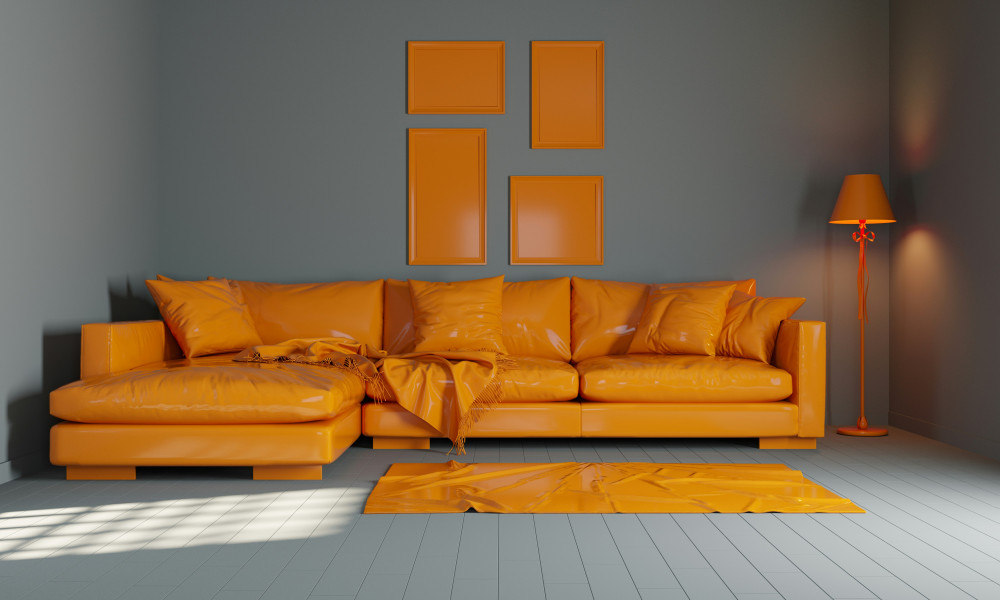
A collection of smaller artworks can work together to lift a room. A gallery wall doesn’t have to be dense—spacing pieces apart can create balance and flow. Try arranging them in a gentle upward curve or a pattern that leads the gaze toward the ceiling.
If you’re mixing sizes, place the larger pieces lower and the smaller ones higher. This mimics the natural perspective we see outdoors—heavier elements below, lighter ones above—and gives the display a sense of upward movement.
Use Mirrors and Reflections as Artistic Elements
Mirrors can act as “living art,” reflecting light and motion. A tall, narrow mirror placed strategically can add both height and depth to a room. Pair it with a vertical artwork nearby for a sophisticated balance between function and style.
Reflective materials—like glass, metal, or glossy finishes—can also help bounce light around the room, making it feel more open and airy.
Art That Lifts Both Space and Spirit
Creating a sense of height isn’t just about physical dimensions—it’s about atmosphere. A room that feels open and light can lift your mood and energy. When choosing art, think not only about color and composition but also about how it makes you feel. A piece that draws your gaze upward can also remind you to look up in life—to find new perspectives and a little more breathing room in your everyday surroundings.
Læs også: