Extend Your Roof’s Lifespan with Regular Inspections

Extend Your Roof’s Lifespan with Regular Inspections
Your roof is one of the most important parts of your home—it shields you from rain, snow, wind, and sun year-round. But even the best roof won’t last forever without care. The good news is that regular inspections and maintenance can significantly extend its lifespan. A little attention a couple of times a year can save you thousands of dollars in repairs or premature replacement.
Why Roof Inspections Matter
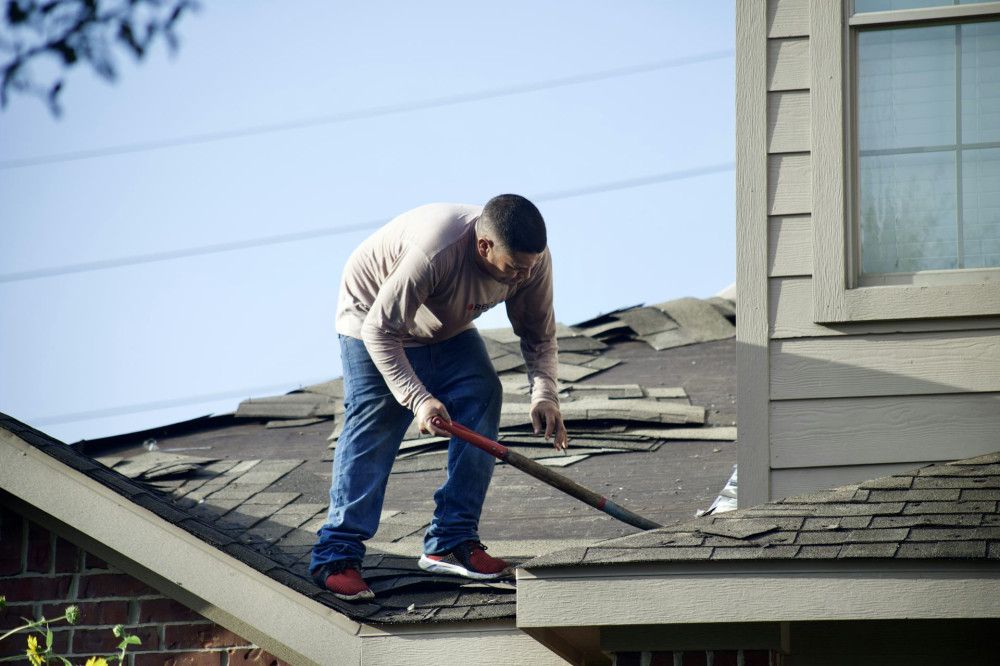
Every day, your roof faces the elements. Heat, cold, moisture, and wind gradually wear down roofing materials. A missing shingle, a clogged gutter, or a small crack in the flashing might seem minor, but these small issues can lead to leaks, rot, or mold if left unchecked.
By inspecting your roof regularly, you can catch problems early—before they turn into costly damage. It’s not just about protecting the roof itself, but also about safeguarding the entire structure of your home.
Læs også:
How Often to Inspect Your Roof
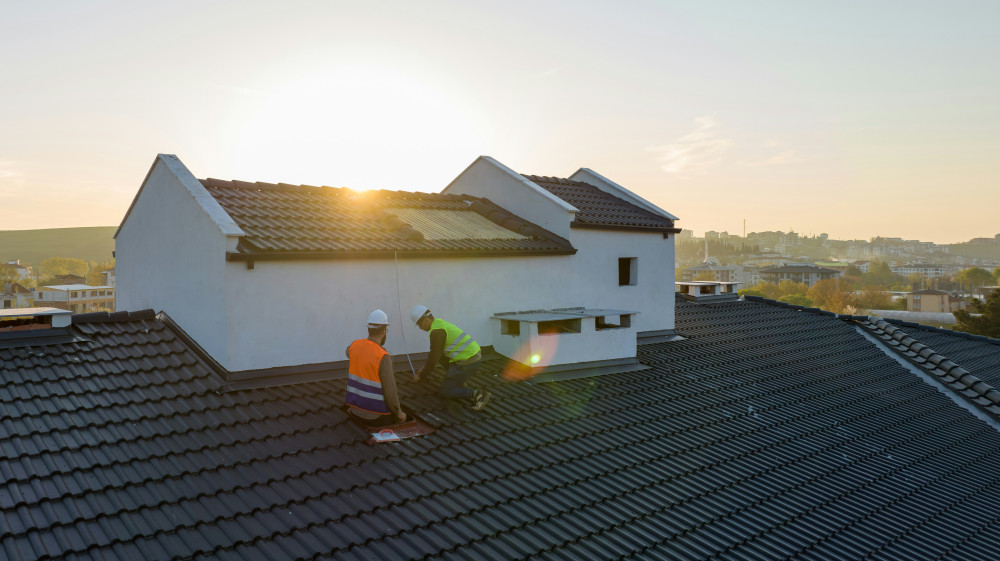
As a general rule, you should inspect your roof twice a year—once in the spring and once in the fall. After winter, check for damage caused by snow, ice, or freezing temperatures. Before winter, make sure your roof is ready to handle heavy rain, wind, and cold weather.
You should also inspect your roof after severe storms, hurricanes, or hail. Strong winds can lift shingles, and heavy rain can reveal leaks you might not have noticed before.
What to Look For
You don’t need specialized equipment to perform a basic roof inspection, but you do need to pay attention to detail. Here are some key things to check:
- Roofing material: Look for cracked, curled, or missing shingles. On flat roofs, check for blisters, cracks, or pooling water.
- Flashing and joints: Examine areas around chimneys, vents, and skylights. These are common spots for leaks to develop.
- Gutters and downspouts: Clear out leaves, twigs, and debris so water can flow freely. Clogged gutters can cause water to back up and damage both the roof and siding.
- Moss and algae: Green or dark streaks may look harmless, but they trap moisture and can shorten your roof’s lifespan. Consider gentle cleaning or professional treatment if growth is extensive.
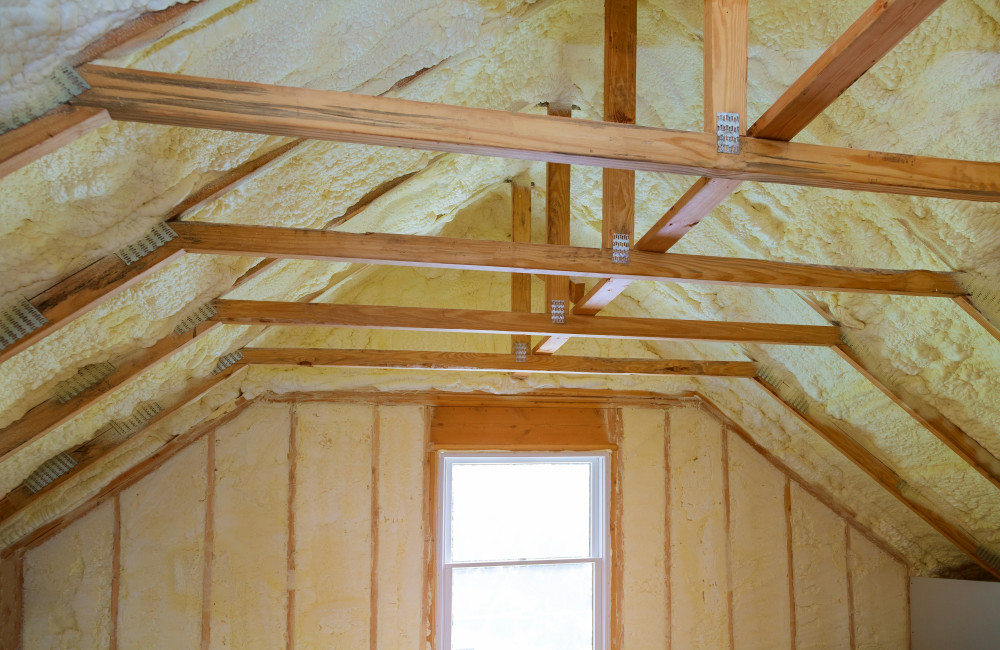
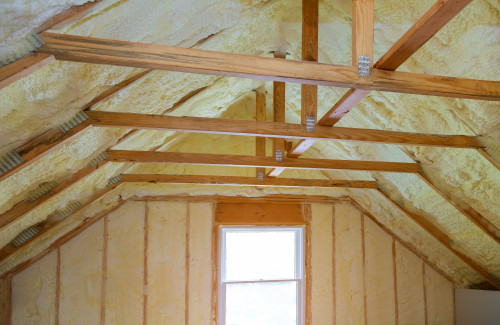
- Attic and ceilings: From inside, look for water stains, damp insulation, or musty odors—signs that moisture is getting in somewhere.
Stay Safe While Inspecting
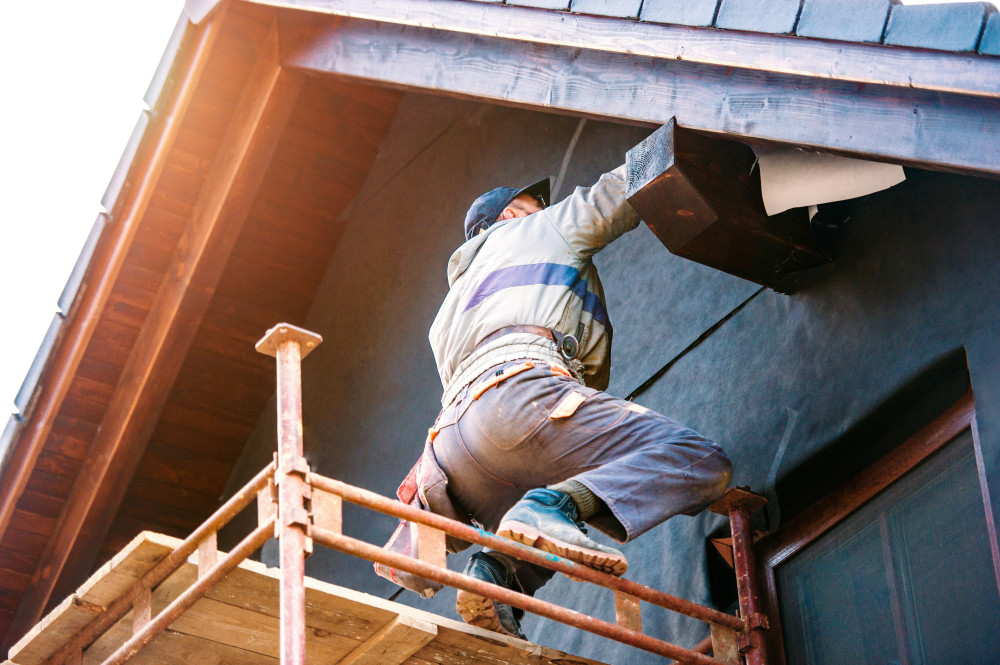
Safety should always come first. Use a sturdy ladder, and never walk on the roof unless you’re confident it’s safe to do so. Many issues can be spotted from the ground with binoculars or from inside the attic.
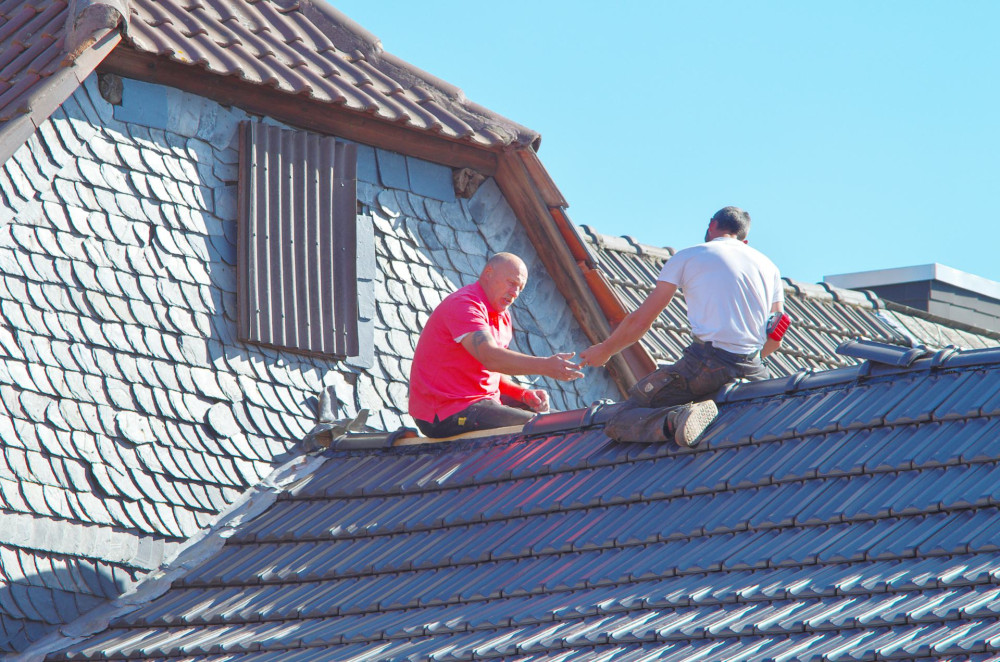
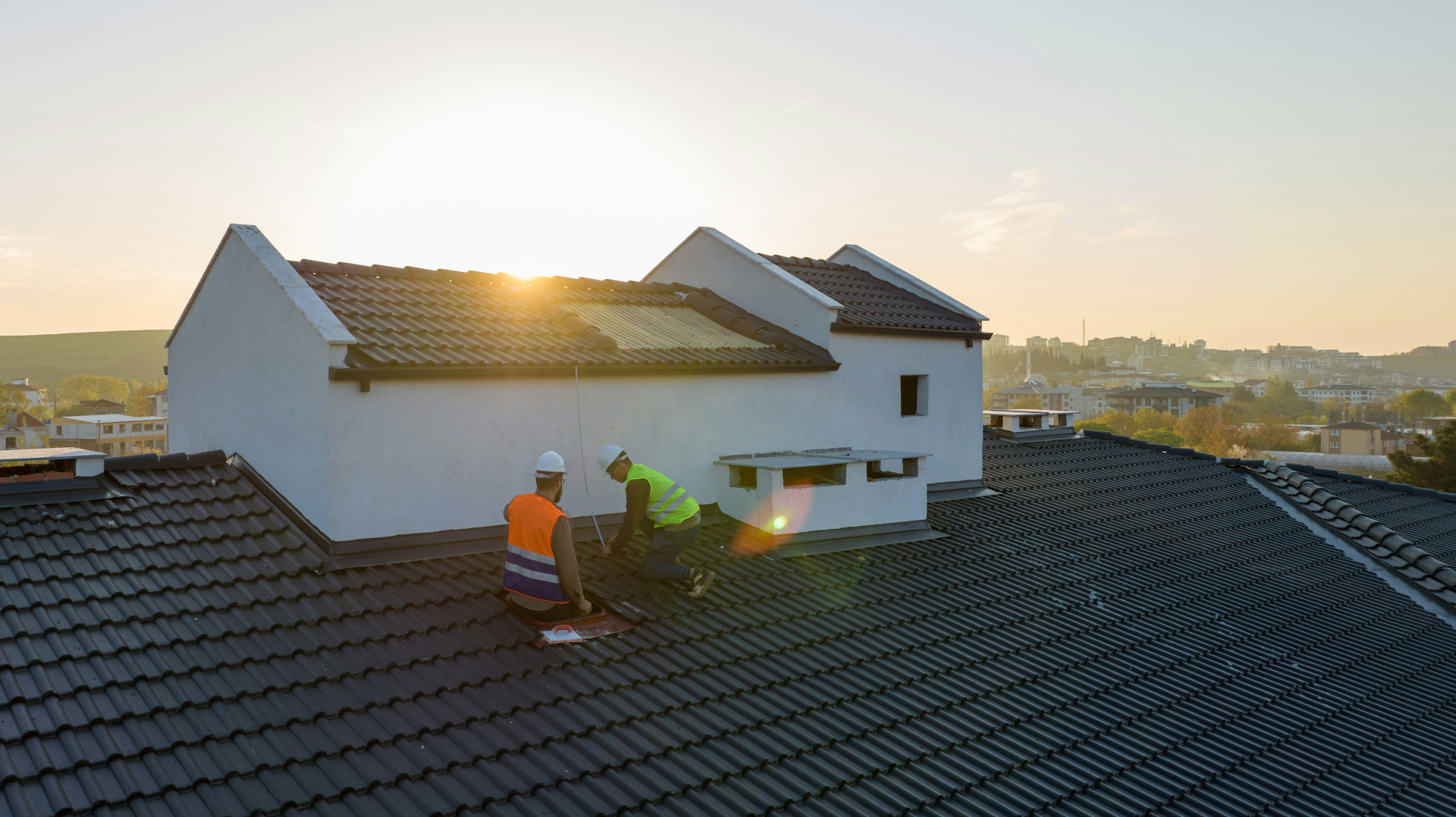
If you’re unsure or uncomfortable doing the inspection yourself, hire a professional roofer. A professional inspection is usually affordable and provides peace of mind that your roof is in good condition.
Prevention Costs Less Than Repair
Small repairs and routine maintenance are far cheaper than replacing an entire roof. Replacing a few shingles or resealing flashing takes little time and money, while ignoring a small leak can lead to thousands of dollars in water damage.
By addressing early signs of wear, you can add years to your roof’s life, maintain your home’s value, and avoid unpleasant surprises.
When to Call a Professional
While many homeowners can handle basic upkeep, some situations require expert help. If you notice significant damage, sagging areas, or widespread wear, it’s best to call a licensed roofing contractor. They can assess the condition of your roof and recommend the right repairs or replacement options.
Many roofing companies in the U.S. offer maintenance plans that include annual or semiannual inspections. This can be a smart investment, especially if your roof is older or difficult to access.
A Healthy Roof Means a Healthy Home
A well-maintained roof isn’t just about curb appeal—it’s essential for a safe, dry, and energy-efficient home. Regular inspections and timely maintenance are the best insurance against leaks, structural damage, and unnecessary expenses. With a little care and attention, you can ensure your roof protects your home for many years to come.
Læs også: