Green Roofing Legislation: Focus on Recyclable Materials in Roof Construction

Green Roofing Legislation: Focus on Recyclable Materials in Roof Construction
As the United States moves toward a more sustainable construction industry, roofing systems are becoming a key focus area. New policies and building standards increasingly emphasize energy efficiency, material reuse, and waste reduction. From federal initiatives to local ordinances, green roofing legislation is shaping how builders, architects, and homeowners think about the materials that top their buildings.
Legislation Centered on Sustainability
Across the country, sustainability goals are being integrated into building codes and incentive programs. The International Green Construction Code (IgCC) and LEED certification standards encourage the use of recyclable and low-impact materials in roof construction. Meanwhile, states such as California, New York, and Washington have introduced their own green building requirements that promote circular design principles—ensuring that materials can be reused or recycled at the end of a building’s life.
At the federal level, the Inflation Reduction Act of 2022 and related energy-efficiency programs provide tax credits and grants for projects that use sustainable materials or improve building performance. These measures are pushing the construction industry to adopt life-cycle assessments (LCAs) that evaluate the environmental impact of materials from production to disposal.
Recyclable Materials on the Rise
One of the most significant shifts in roofing is the growing use of recyclable and recycled materials. Durability and cost remain important, but environmental performance is now a decisive factor.
- Recycled metal roofing—made from steel or aluminum with high recycled content—offers longevity and full recyclability at the end of its service life.
- Reclaimed clay or concrete tiles are being reused in both residential and commercial projects, combining traditional aesthetics with reduced environmental impact.
- Wood-based roof structures, when sourced from certified sustainable forests, provide a renewable and carbon-storing alternative to conventional materials.
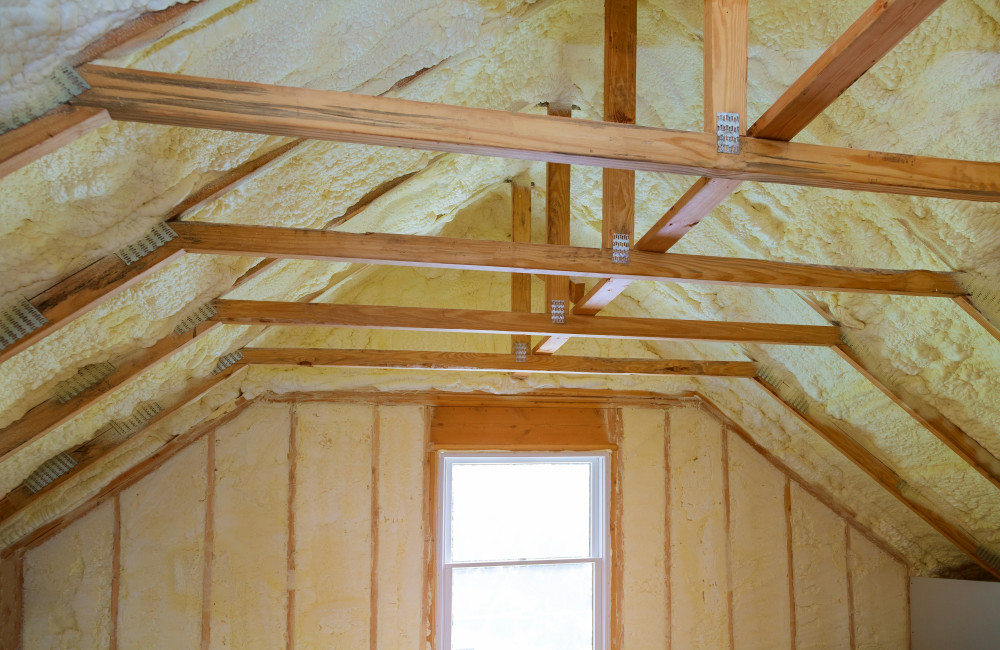
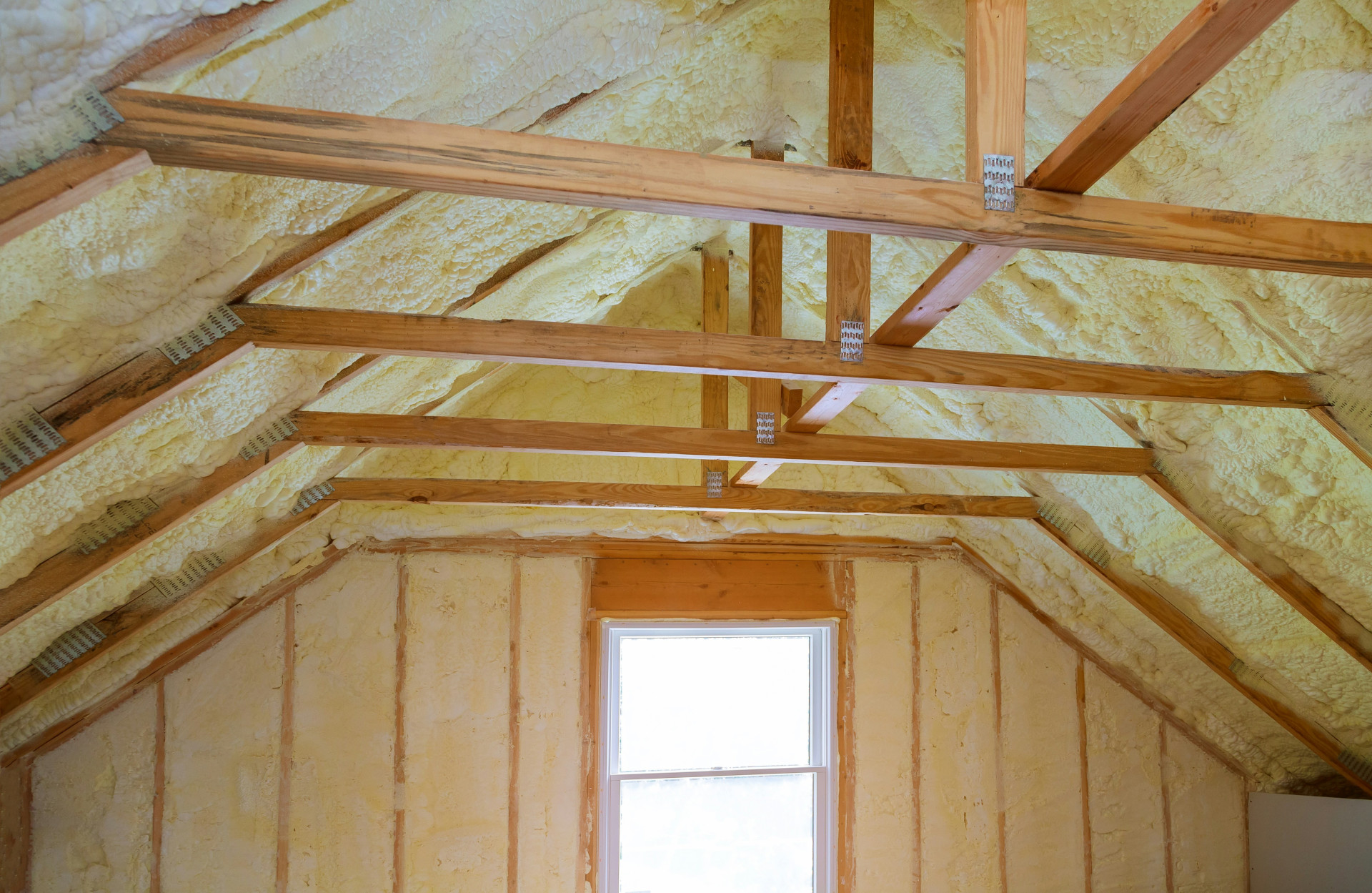
- Recycled-content insulation, such as cellulose or mineral wool, helps reduce energy use while supporting circular material flows.
These materials align with the principles of a circular economy, where waste is minimized and building components are designed for disassembly and reuse.
Green Roofs and Stormwater Management
Green roofing legislation also extends beyond materials to include environmental performance. Vegetated or “living” roofs are increasingly encouraged or required in urban areas to manage stormwater, reduce heat islands, and improve air quality. Cities like Chicago, New York, and San Francisco have adopted ordinances that require or incentivize green roofs on new commercial or multifamily buildings.
These systems often combine lightweight, recyclable structural materials with plantings suited to local climates. The result is a roof that not only insulates and protects but also contributes to urban resilience and biodiversity.
Læs også:
Documentation and Certification
To comply with sustainability standards, construction projects must document their environmental performance. Environmental Product Declarations (EPDs) and certifications such as LEED, Green Globes, and ENERGY STAR help verify that roofing materials meet specific environmental criteria. Manufacturers are responding by providing transparent data on carbon footprints, recycled content, and product longevity.
This documentation makes it easier for designers and contractors to select materials that satisfy both regulatory requirements and sustainability goals.
The Future of Roofing Is Circular
The direction is clear: the roof of the future will do more than shield a building from the elements—it will play an active role in the nation’s transition to a sustainable economy. Circular design, material reuse, and environmental accountability are becoming standard expectations rather than optional features.
For homeowners, developers, and policymakers alike, choosing recyclable roofing materials is no longer just a design decision—it’s a commitment to building smarter, conserving resources, and supporting a greener future for American communities.
Læs også: