Understanding Energy Labels and Choosing the Most Energy-Efficient Option

Understanding Energy Labels and Choosing the Most Energy-Efficient Option
When you’re shopping for new appliances, the energy label can be one of the most important details to look at. It tells you not only how much electricity or water the appliance uses, but also how efficiently it operates. With rising energy costs and growing awareness of environmental impact, understanding what these labels mean—and how to use them to make smarter choices—has never been more valuable.
What Are Energy Labels?
In the United States, energy labels are standardized tools that help consumers compare the efficiency of different products. The most common ones are the EnergyGuide label, required by the Federal Trade Commission (FTC), and the ENERGY STAR® certification, managed by the U.S. Environmental Protection Agency (EPA) and the Department of Energy (DOE).
- The EnergyGuide label appears on major appliances such as refrigerators, dishwashers, washing machines, and air conditioners. It shows the estimated yearly energy use and operating cost, helping you compare similar models.
- The ENERGY STAR® label identifies products that meet or exceed strict energy-efficiency standards set by the EPA. These products typically use 10–50% less energy than standard models.
Together, these labels make it easier to find appliances that save energy, money, and resources.
How to Read the EnergyGuide Label
Each EnergyGuide label provides key information to help you make an informed decision:
- Estimated yearly operating cost – Based on national average electricity rates, this gives you an idea of how much the appliance will cost to run each year.
- Estimated yearly electricity use – Shown in kilowatt-hours (kWh), this helps you compare energy consumption between models.
- Comparison range – A horizontal bar shows how the model’s energy use compares to similar products, from most to least efficient.
- Key features – Lists the main characteristics that may affect energy use, such as capacity or special functions.
By comparing these details, you can quickly identify which model offers the best balance between performance and efficiency.
Why Choose an Energy-Efficient Product?
Energy-efficient appliances often cost a bit more upfront, but they can save you money over time through lower utility bills. For example, an ENERGY STAR-certified refrigerator can use up to 15% less energy than a non-certified model. Over the appliance’s lifetime, that can add up to hundreds of dollars in savings.
Beyond cost savings, choosing efficient products helps reduce greenhouse gas emissions and supports a cleaner environment. It’s a simple way to make a positive impact without sacrificing comfort or convenience.
Energy Labels for Different Types of Appliances
Energy labeling requirements vary by product type. Here’s what to look for:
- Refrigerators and Freezers: The EnergyGuide label shows annual energy use and operating cost. ENERGY STAR models maintain consistent temperatures while using less electricity.
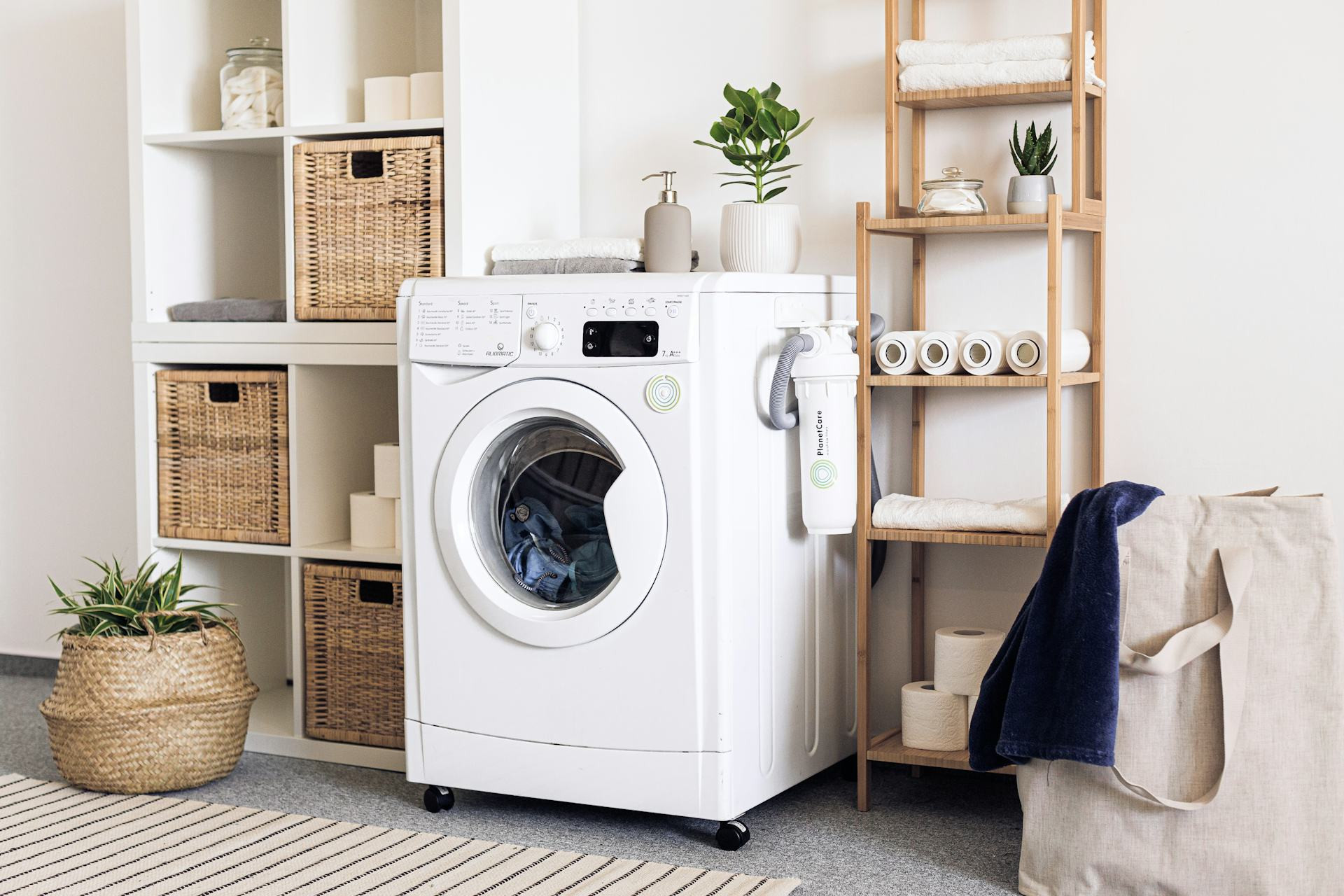
- Washing Machines: Labels display energy use per year and water consumption per cycle. ENERGY STAR washers use about 25% less energy and 33% less water than standard models.
- Dishwashers: The label includes energy use, water consumption, and estimated yearly cost. Efficient models clean effectively while using less water and energy.
- Air Conditioners: Labels show cooling capacity (in BTUs), energy efficiency ratio (EER or SEER), and estimated annual cost. ENERGY STAR units can save up to 15% on cooling costs.
- Dryers: ENERGY STAR-certified dryers use advanced moisture sensors to prevent over-drying, saving both energy and wear on clothes.
By understanding these details, you can choose appliances that fit your household’s needs while minimizing energy waste.
Læs også:

How to Choose the Best Option for Your Home
When selecting a new appliance, consider the following steps:
- Assess your needs. Choose the right size and capacity for your household—larger models often use more energy.
- Compare energy use. Look at the estimated yearly kWh and operating cost, not just the purchase price.
- Check for ENERGY STAR certification. This ensures the product meets high efficiency standards.
- Consider total cost of ownership. Factor in both the purchase price and the long-term energy savings.
- Look for additional features. Options like eco modes, timers, or smart controls can further reduce energy use.
A slightly higher upfront cost can pay off through years of lower utility bills and reduced environmental impact.
The Future of Energy Labeling
Energy labeling continues to evolve as technology advances. The EPA and DOE regularly update ENERGY STAR criteria to reflect new efficiency standards and innovations. In the future, labels may include more information about a product’s overall environmental footprint, including recyclability and material sourcing.
For consumers, this means even more transparency and better tools to make sustainable choices.
A Label That Makes a Difference
Energy labels are powerful tools for promoting smarter, more sustainable consumption. They make it easy to compare products, reward manufacturers that innovate, and help households save money while protecting the planet.
Next time you’re shopping for an appliance—whether in-store or online—take a moment to read the energy label. It could be the key to lower energy bills, a more efficient home, and a greener future.
Læs også: