Use Your Appliances Smarter – Save Both Time and Energy

Use Your Appliances Smarter – Save Both Time and Energy
Home appliances make everyday life easier — they wash, dry, cool, and cook for us around the clock. But many of us don’t use them as efficiently as we could. With a few small changes in habits and settings, you can save time, energy, and money without sacrificing comfort. Here’s how to get more out of your household appliances while reducing your energy footprint.
Washing Machine – Load It Right and Wash Cooler
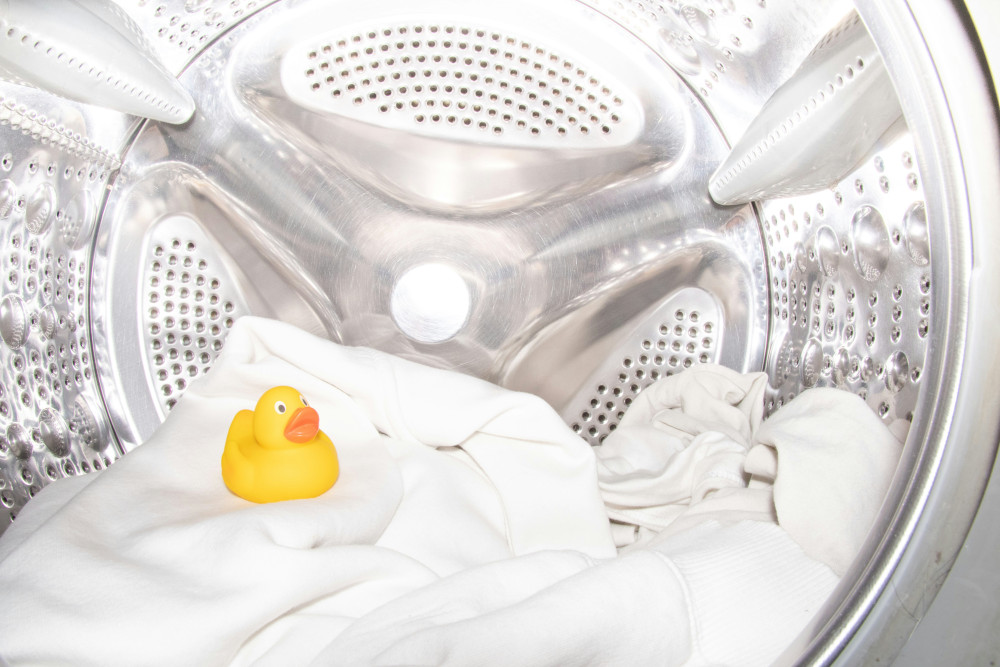
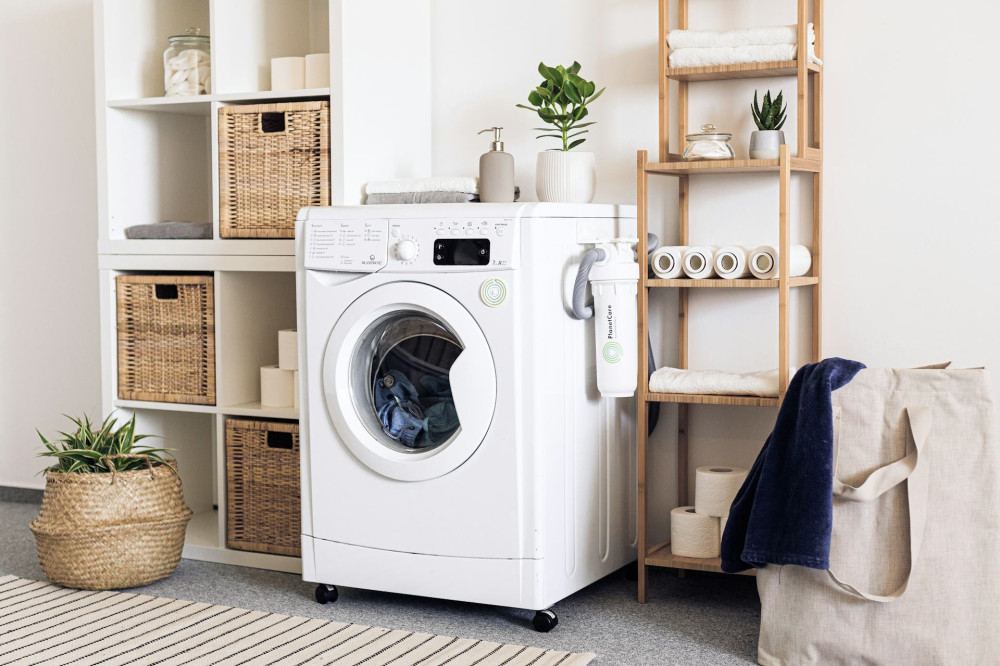
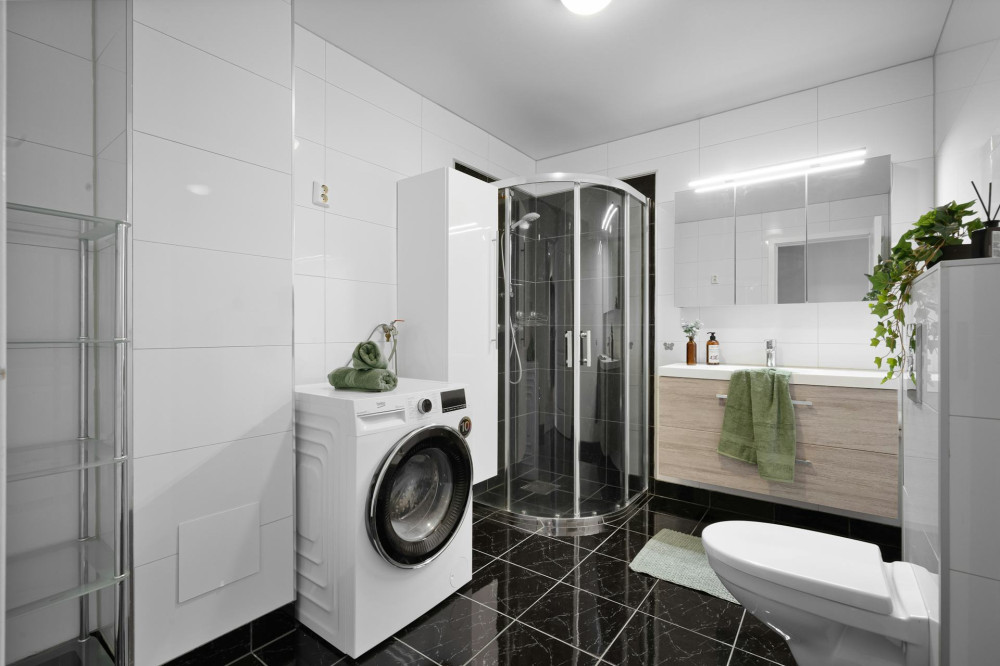
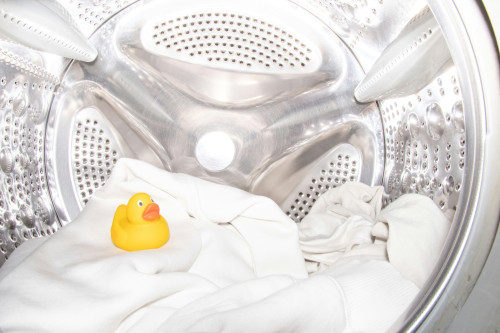
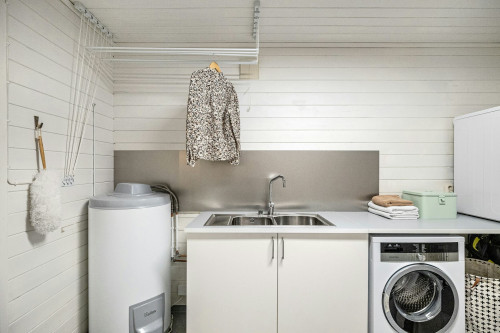
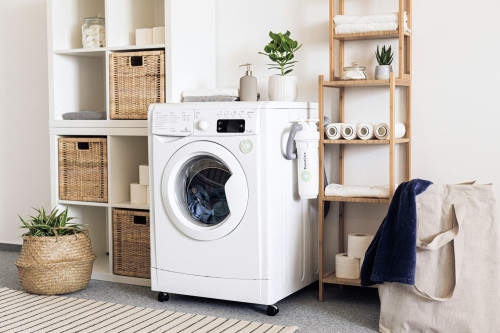
Your washing machine is one of the biggest energy users in your home, but smart use can make a big difference. Always run full loads, but don’t overpack — clothes need room to move for a proper clean. Most modern detergents work well in cold water, and washing in cold instead of hot can cut energy use by half.
Use your machine’s eco or energy-saving cycle whenever possible. It may take longer, but it uses less water and electricity by washing at lower temperatures. Clean the lint trap and detergent drawer regularly to keep the machine running efficiently and extend its lifespan.
Dryer – Use It Wisely
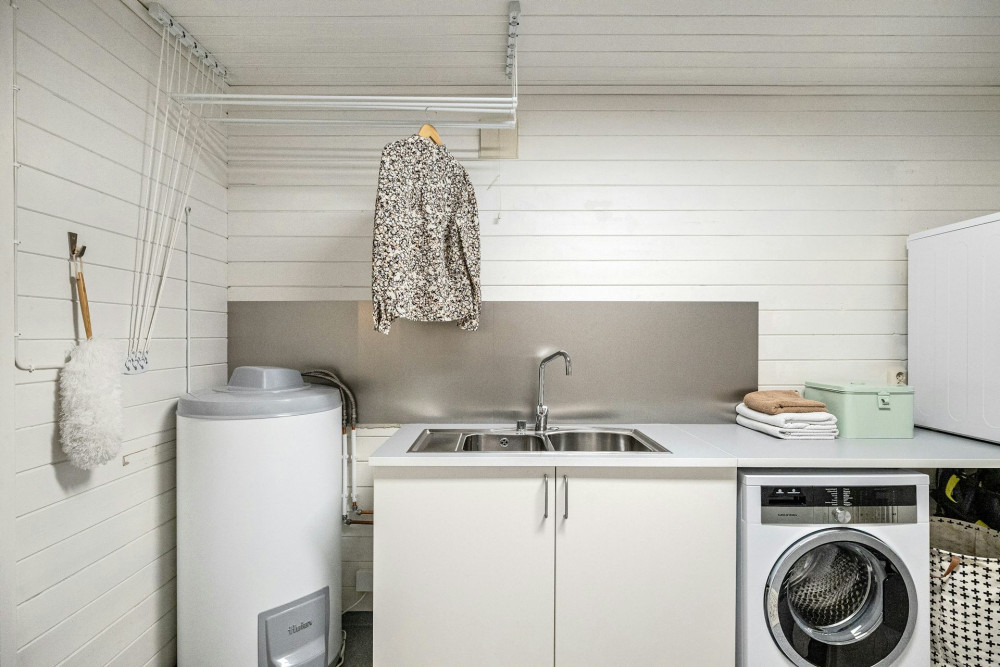
Clothes dryers are convenient but energy-hungry. Whenever possible, air-dry your clothes on a rack or clothesline — especially in warm or dry weather. When you do use the dryer, spin clothes thoroughly in the washer first to remove as much water as possible. The drier the load, the shorter the drying time.
Clean the lint filter after every cycle and check the vent regularly. A clean filter improves airflow and shortens drying time. If you’re replacing your dryer, consider a heat pump model, which can use up to 50% less energy than a conventional one.
Refrigerator and Freezer – Small Adjustments, Big Impact
Your fridge and freezer run 24/7, so even small changes can save a lot of energy. Set your refrigerator to about 37–40°F and your freezer to 0°F. Colder settings waste energy without keeping food fresher for longer.
Keep the doors closed as much as possible, and let hot food cool before storing it. Defrost your freezer regularly — a thick layer of ice makes the compressor work harder. Vacuum the coils on the back or underneath a couple of times a year to help the unit release heat efficiently.
Læs også:
Dishwasher – Load Smart and Skip the Pre-Rinse
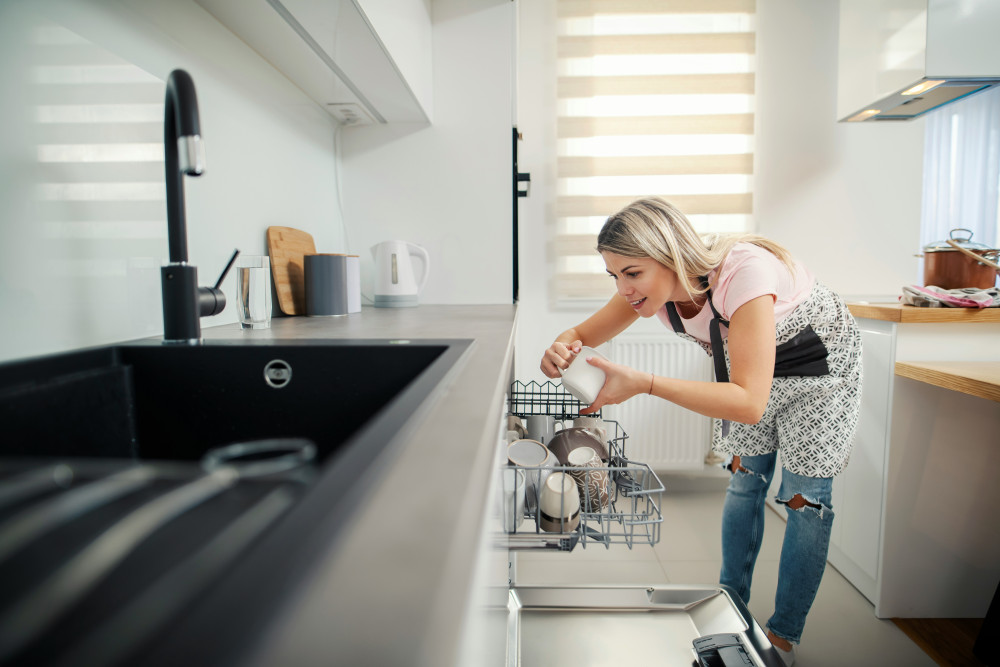
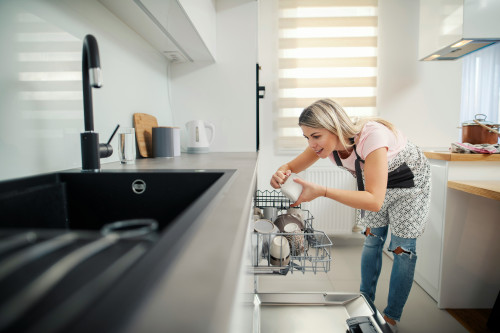
A dishwasher can actually use less water than handwashing, but only if you use it efficiently. Always run full loads, and scrape off food scraps instead of rinsing dishes under running water. Choose the eco or energy-saving cycle when available — it heats water more slowly and uses less energy overall.
If your utility offers time-of-use rates, run the dishwasher at night or during off-peak hours. Clean the filter and spray arms regularly to keep it performing at its best.
Oven and Stove – Plan Ahead for Efficiency
Cooking efficiently starts with a little planning. Use the convection (fan) setting on your oven so you can bake multiple trays at once, and skip preheating unless your recipe requires it. Turn the oven off five to ten minutes before the food is done — the residual heat will finish the job.
On the stovetop, use pots with lids and match the burner size to the pan. This reduces heat loss and shortens cooking time. If you have an induction cooktop, take advantage of its fast heating and precise temperature control — it’s one of the most energy-efficient ways to cook. For small portions, the microwave is often the quickest and most efficient option.
Smart Habits and Technology
Many modern appliances come with Energy Star certification and smart features that help you save. When buying new appliances, look for the Energy Star label — it means the product meets strict efficiency standards set by the U.S. Environmental Protection Agency.
Some models can connect to apps that let you start a wash when electricity is cheapest or remind you to clean filters. These tools make it easier to use your appliances efficiently and keep track of your energy use.
Simple Habits, Big Results
Using your appliances smarter isn’t about big investments — it’s about awareness. By adjusting temperatures, choosing the right programs, and maintaining your machines, you can save energy, extend their lifespan, and free up more time in your day. Small changes today can make a noticeable difference on your utility bill — and for the planet — tomorrow.
Læs også: