Integrate Radiant Floor Heating into Energy Retrofits for Greater Comfort and Efficiency

Integrate Radiant Floor Heating into Energy Retrofits for Greater Comfort and Efficiency
When planning an energy retrofit, the goal isn’t just to cut utility bills—it’s also to create a home that feels comfortable year-round. Radiant floor heating offers a unique combination of comfort, efficiency, and design flexibility. By integrating it into your retrofit project, you can achieve even heat distribution, lower energy use, and a cleaner aesthetic without bulky baseboards or vents.
Why Choose Radiant Floor Heating for an Energy Retrofit?
Unlike forced-air systems that blow warm air from a single source, radiant floor heating distributes warmth evenly across the entire floor surface. This allows you to maintain the same comfort level at a lower thermostat setting—often 2–3°F lower—reducing energy consumption without sacrificing comfort.
Radiant systems also pair exceptionally well with modern, low-temperature heat sources such as air-source or ground-source heat pumps. As more homeowners move away from fossil fuels toward renewable energy, radiant heating provides an efficient and future-ready solution.
Hydronic or Electric: Which System Fits Your Home?
There are two main types of radiant floor heating: hydronic (water-based) and electric. The right choice depends on your home’s structure, heating needs, and retrofit scope.
- Hydronic radiant heating circulates warm water through tubing beneath the floor. It’s the most energy-efficient option for whole-home heating and can be powered by a heat pump, high-efficiency boiler, or even solar thermal system.
- Electric radiant heating uses heating cables or mats and is easier to install in smaller areas like bathrooms, kitchens, or additions. While it’s convenient, it can be more expensive to operate as a primary heat source.
For larger retrofits or whole-home upgrades, hydronic systems typically offer the best long-term efficiency and compatibility with sustainable energy technologies.
Comfort You Can Feel—Not See
One of the greatest advantages of radiant floor heating is the comfort it provides. Heat rises gently from the floor, creating a consistent temperature throughout the room—no cold spots, no drafts. You can also arrange furniture freely without worrying about blocking vents or radiators.
Radiant heat can improve indoor air quality as well. Because it doesn’t rely on blowing air, it reduces the circulation of dust and allergens, making it a great choice for allergy-sensitive households.
How to Integrate Radiant Heating into a Retrofit
If you’re already replacing flooring or upgrading insulation, it’s the perfect time to consider radiant heating. Here are key steps to ensure a successful installation:
- Start with insulation – Proper subfloor insulation prevents heat loss downward and ensures the system operates efficiently.
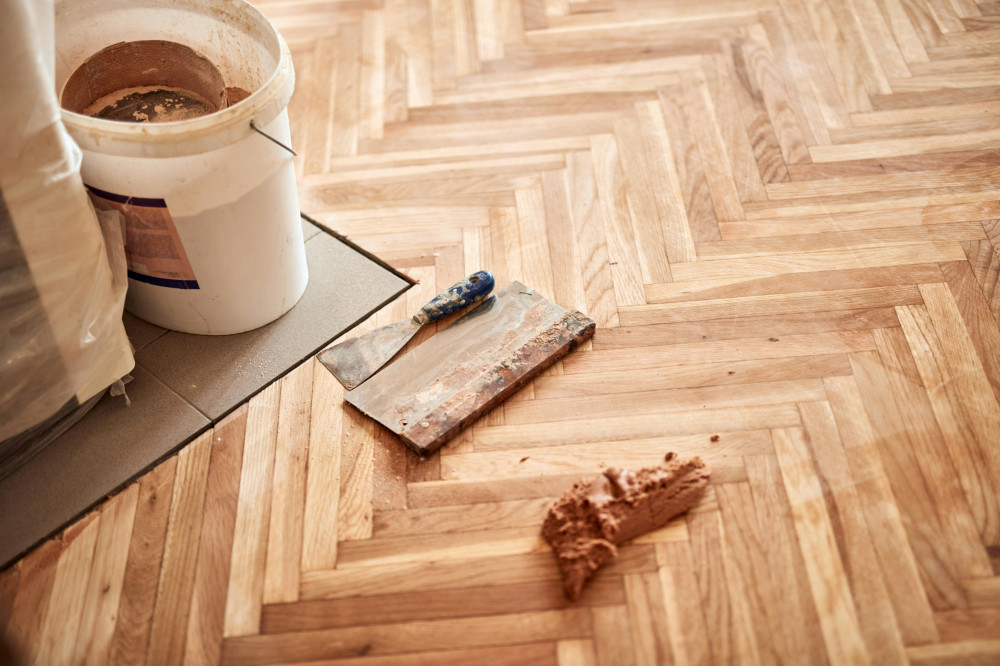
- Choose the right flooring – Tile, stone, and vinyl conduct heat effectively, while wood floors require lower operating temperatures.
- Use smart controls – Modern thermostats and zoning systems allow precise temperature control in each room, maximizing comfort and savings.
- Hire a qualified installer – Radiant systems require careful design and installation. A licensed professional can ensure even heat distribution and optimal performance.
Combine with Other Energy Upgrades
Radiant floor heating works best as part of a comprehensive energy retrofit. Pair it with improved insulation, high-performance windows, and an efficient heat source to achieve significant energy savings. Many homeowners also integrate solar panels or heat pumps to supply renewable energy for their heating system.
By taking a whole-home approach, you’ll create a living space that’s not only warmer and more comfortable but also more sustainable and cost-effective to operate.
Læs også:

A Smart Investment in Comfort and the Future
While installing radiant floor heating requires an upfront investment, it pays off through lower energy bills, increased home value, and long-term comfort. It’s a system designed for the future—compatible with low-temperature, renewable energy sources and modern building standards.
If you’re planning an energy retrofit, consider radiant floor heating as a key part of your project. It’s an upgrade you’ll appreciate every day—in the warmth under your feet, the savings on your bills, and the comfort of a home that feels just right.
Læs også: