When Does Your Floor Need a Major Treatment?

When Does Your Floor Need a Major Treatment?
A beautiful floor can transform the look and feel of your home—but even the best hardwood floors lose their shine over time. Scratches, dullness, and discoloration are all signs that your floor might need more than a quick cleaning. But how do you know when regular maintenance isn’t enough, and it’s time for a deeper treatment such as sanding, refinishing, or re-oiling? Here’s a guide to help you assess your floor’s condition and choose the right solution.
Signs Your Floor Needs More Than Cleaning
Hardwood floors endure daily wear from shoes, furniture, sunlight, and cleaning products. Over the years, that wear becomes visible. Here are some of the most common signs that your floor may need a major treatment:
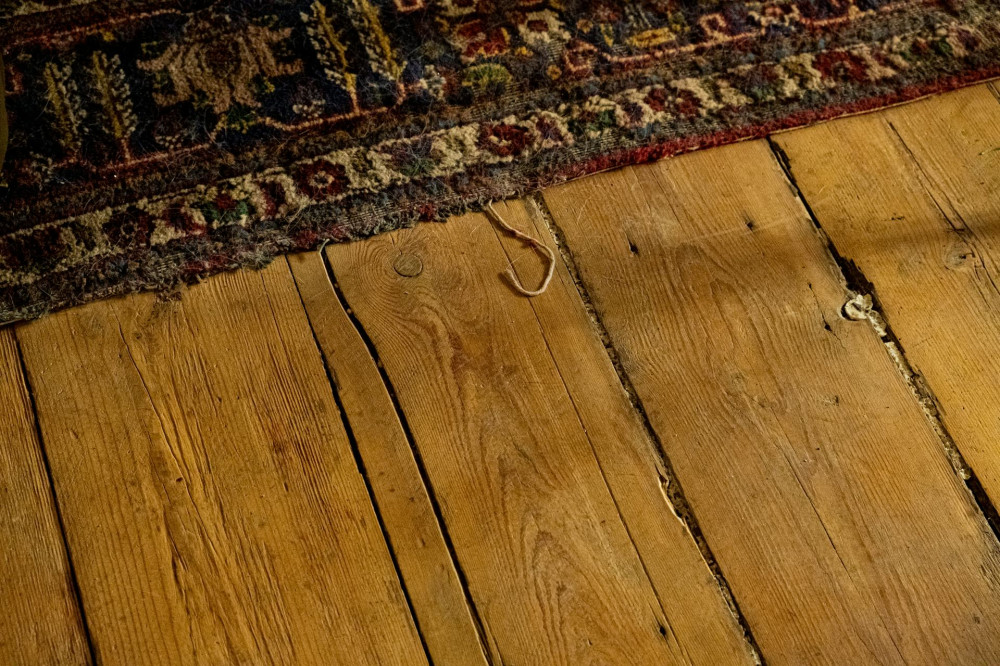
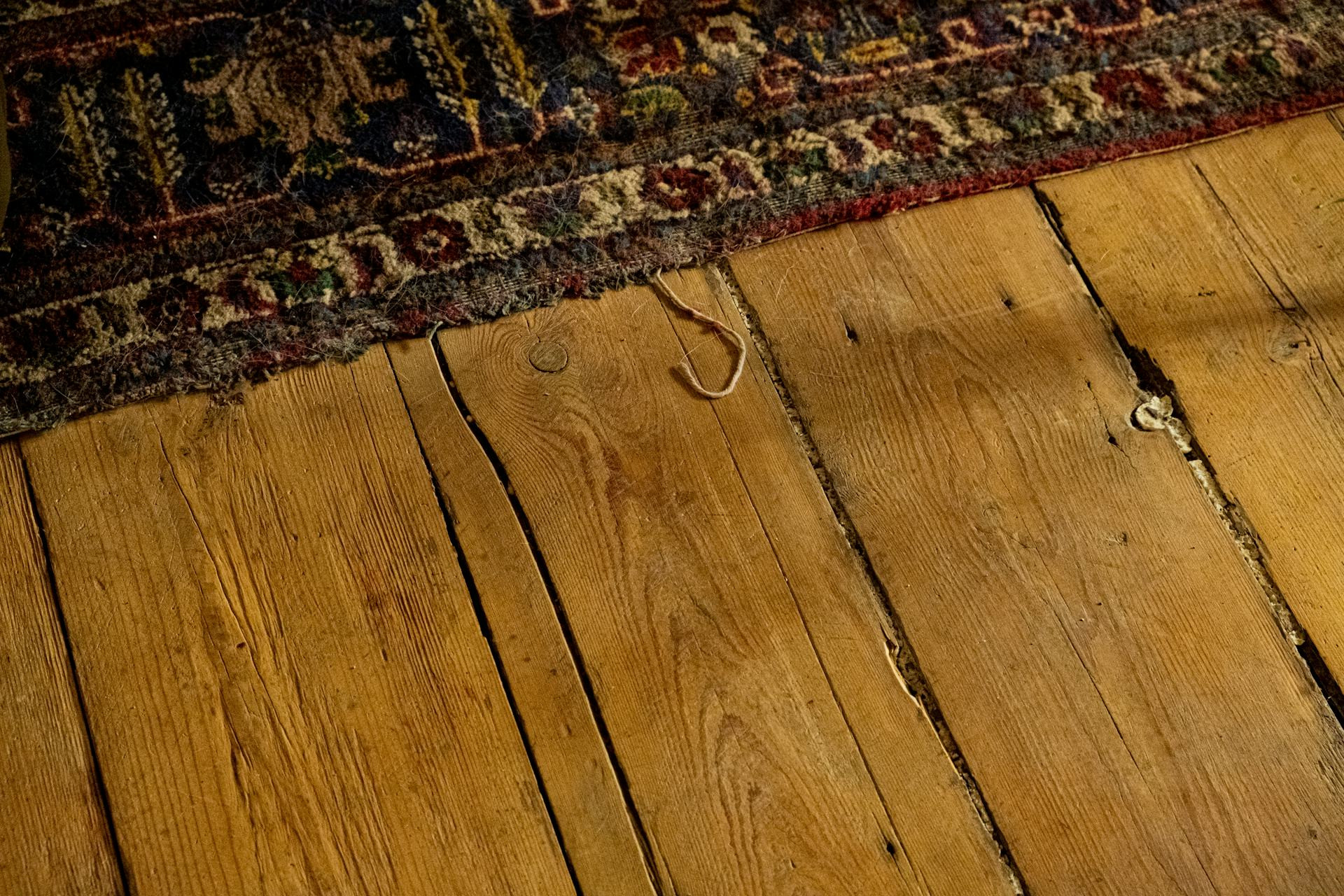
- Dull or faded surface – When the finish has lost its luster and the wood looks gray or dry, the protective layer is likely worn away.
- Visible scratches and dents – Minor scratches can often be treated with touch-up products, but deeper marks usually require sanding.
- Discoloration – Sunlight, spills, and uneven cleaning can cause color variations. If cleaning doesn’t restore the tone, refinishing is likely needed.
- Water absorption – If water no longer beads on the surface but soaks into the wood, the finish has broken down and the floor is vulnerable to damage.
If your floor shows several of these signs, it’s time to consider more than routine maintenance.
The Difference Between Maintenance and Treatment
It’s important to distinguish between regular care and a full treatment.
- Maintenance focuses on preserving the current finish—cleaning with the right products, applying polish, or refreshing oil coatings.
- Treatment is a more extensive process that restores the surface through sanding and applying a new finish.
A well-maintained floor can last for many years without sanding, but once the finish wears through, a full treatment becomes necessary.
Choosing the Right Treatment for Your Floor
The best approach depends on your floor type and the look you want to achieve.
- Polyurethane-finished floors: When the finish is lightly worn, a screen-and-recoat (light sanding and new topcoat) may be enough. If the finish is gone in several areas, a full sanding and refinishing is required.
- Oil-finished floors: These need periodic re-oiling to maintain protection. If the wood feels dry or rough, it’s time for a new coat.
- Waxed floors: Regular buffing and re-waxing keep them looking good, but if the surface becomes uneven or dark, stripping and re-waxing may be necessary.
To test your floor’s condition, drip a few drops of water on an inconspicuous area. If the water quickly soaks in, it’s a clear sign that the finish needs renewal.
When to Call a Professional
While small maintenance tasks can be handled by homeowners, major treatments require experience and the right equipment. A professional flooring contractor can determine how much sanding is needed and which finish best suits your wood type. Hiring a pro can save you time, prevent costly mistakes, and extend your floor’s lifespan.
Professionals can also help you choose between different finishes—matte, satin, or glossy—and recommend products that are safe for your home’s indoor air quality.
Læs også:
How to Keep the Results Longer
Once your floor has been refinished, proper care will help preserve the result for years to come.
- Use felt pads under furniture legs.
- Place mats or rugs at entryways to catch dirt and grit.
- Clean with products designed for your floor type—avoid harsh chemicals that can damage the finish.
- Refresh the surface with maintenance oil or polish as recommended for your finish.
With consistent care, you can delay the next major treatment and keep your floors looking their best.
A Floor That Lasts
Your hardwood floor is an investment worth protecting. By paying attention to early signs of wear and acting before damage sets in, you can maintain both its beauty and durability. A well-cared-for floor not only enhances your home’s appearance but also feels better underfoot and is easier to keep clean.
So the next time your floor looks a little tired, take a closer look—it might be time for a major treatment that brings it back to life for many more years of use.
Læs også: