Small Habits, Big Comfort – How to Create a Safe and Peaceful Home

Small Habits, Big Comfort – How to Create a Safe and Peaceful Home
A safe home isn’t just about locks and alarms. It’s also about the small, everyday habits that bring calm, predictability, and a sense of control. With a few simple routines, you can reduce the risk of accidents, prevent break-ins, and create a space where everyone feels comfortable and at ease. Here’s how small steps can make a big difference in building a secure and peaceful home.
Start with Daily Routines
Safety begins with consistency. When you make security part of your daily habits, it quickly becomes second nature and requires little effort.
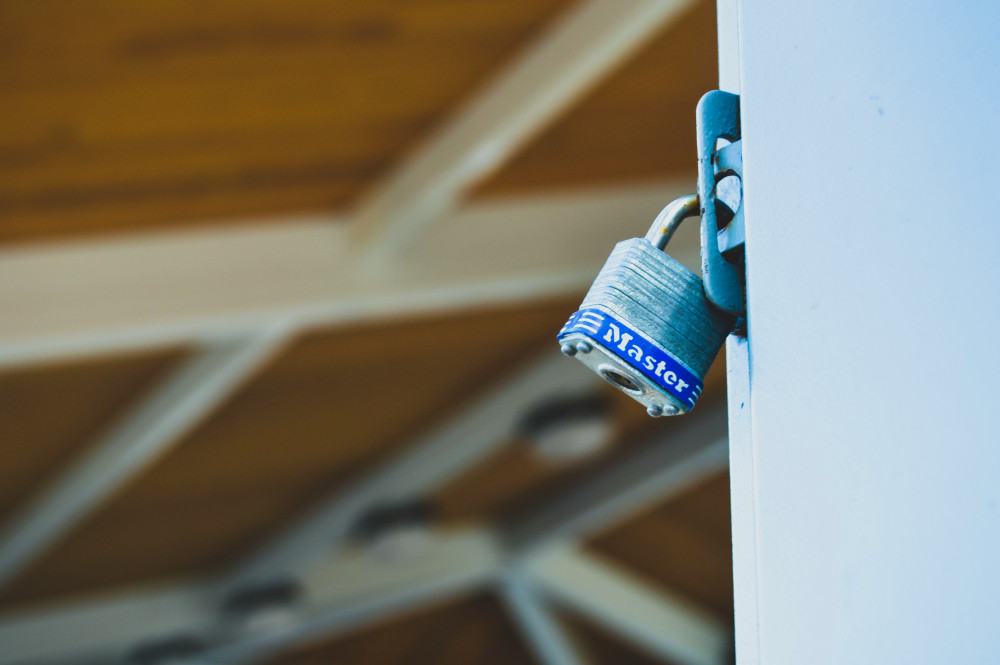
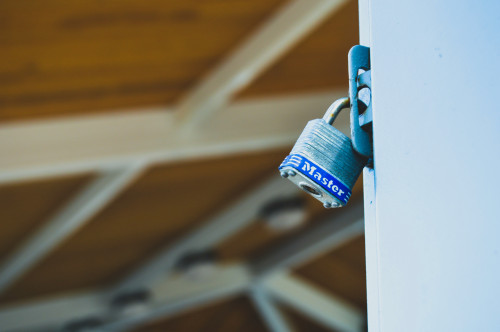
- Check doors and windows before going to bed or leaving the house. It takes only a moment but can prevent drafts, energy loss, and unwanted visitors.
- Keep entryways clear and organized. A tidy front area makes it easier to exit quickly in case of an emergency.
- Designate spots for essentials like keys, wallets, and phones. This saves time and reduces stress when you’re heading out the door.
These small routines create a sense of order and control — the foundation of a safe and comfortable home.
Læs også:

Prevent Accidents Before They Happen
Many household accidents can be avoided with a bit of foresight. It’s not about living in fear, but about creating an environment where you can relax knowing you’ve taken precautions.
- Install smoke and carbon monoxide detectors in every bedroom and on each floor, and test them monthly.
- Ensure good lighting in stairways, hallways, and outdoor paths — especially important for homes with children or older adults.
- Secure cords and rugs to prevent tripping hazards.
- Inspect appliances and outlets for frayed wires, and unplug devices you’re not using.
These small actions may seem minor, but together they make your home significantly safer.
Create Calm Through Order and Structure
A peaceful home often goes hand in hand with an organized one. When everything has its place, it’s easier to respond quickly in unexpected situations — and the sense of order brings mental calm as well.
Try building habits like:
- Tidying up a little each day instead of saving it all for the weekend.
- Keeping important documents, medications, and tools in clearly labeled, accessible spots.
- Doing a weekly “home check” to make sure everything works — from smoke alarms to locks and lightbulbs.
Knowing where things are and that everything functions properly gives you confidence and peace of mind.
Use Technology Wisely
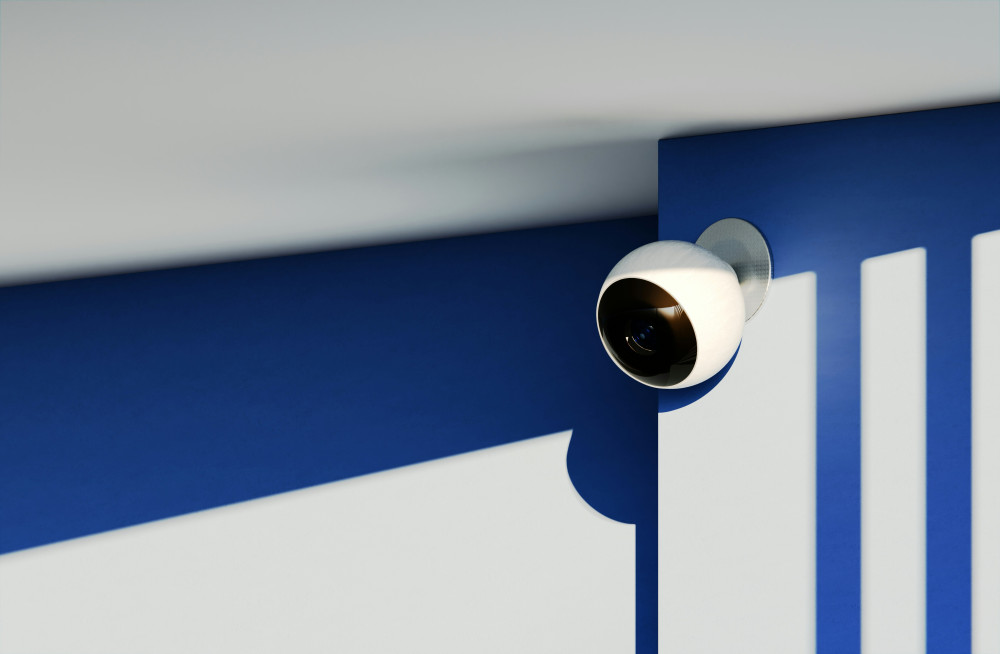
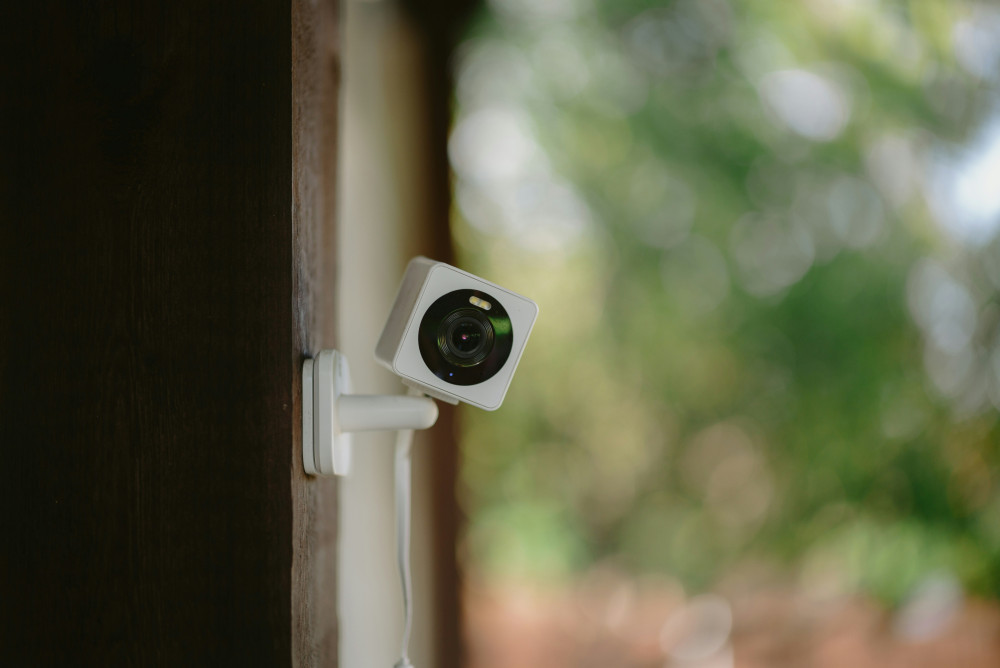
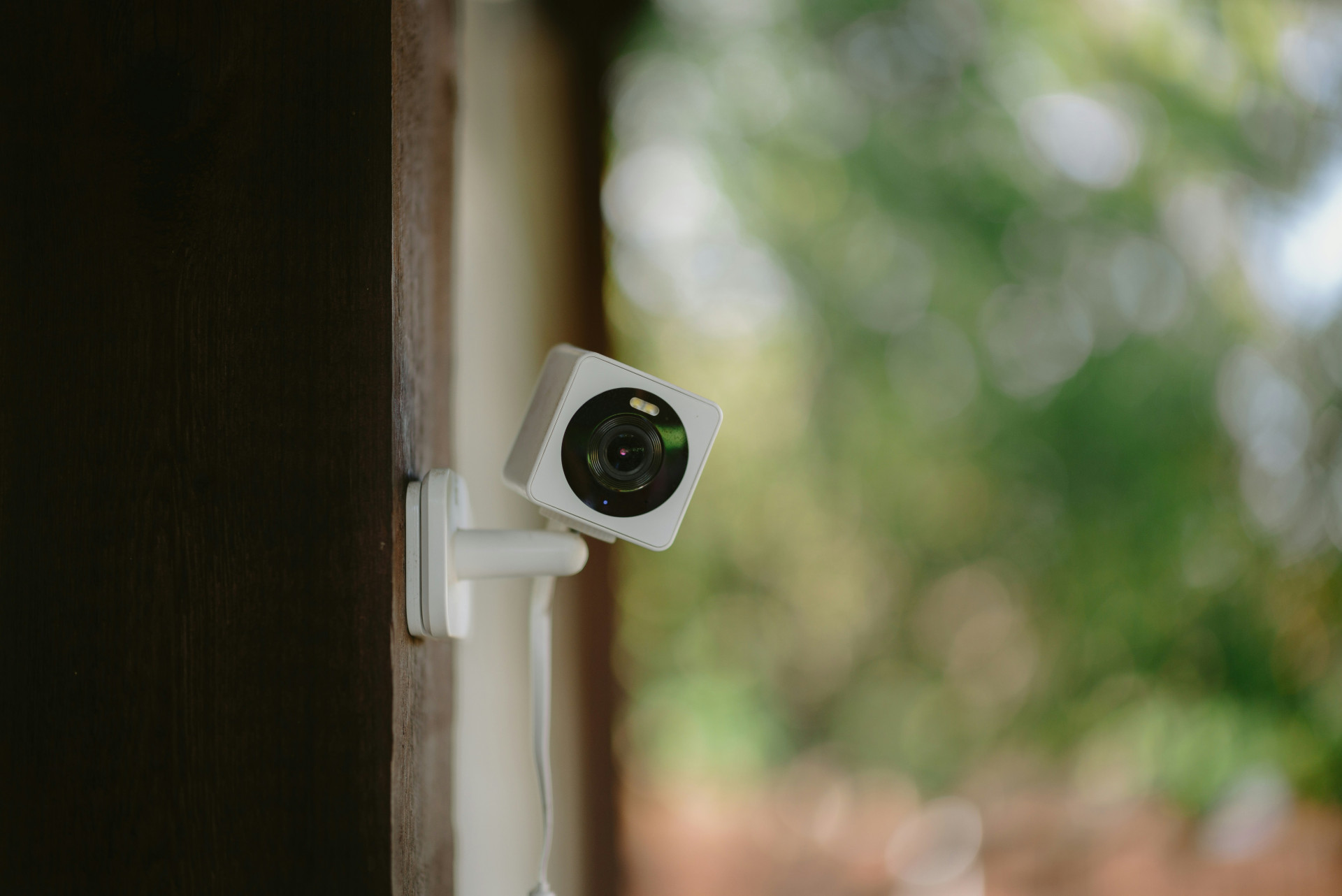
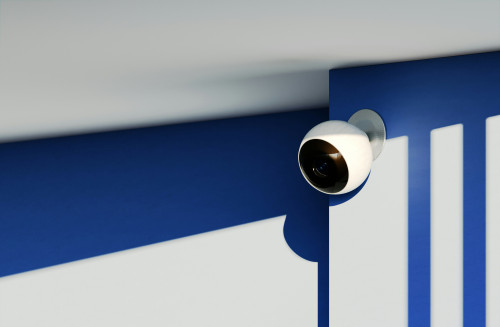
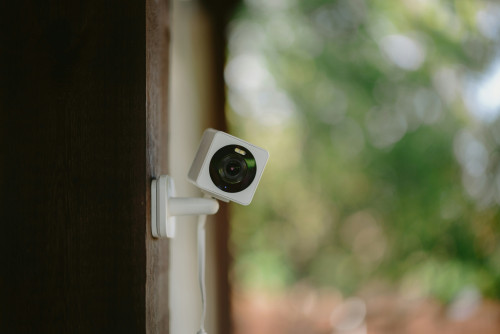
Modern technology can enhance safety, but it works best when paired with good habits. Smart locks, video doorbells, and motion sensors can add convenience and security — just be thoughtful about what fits your lifestyle and home.
For some, a simple motion light by the front door is enough; others may prefer a full home security system. Remember, technology should support your routines, not replace them.
And don’t forget digital safety. Protect your Wi-Fi network with strong passwords, keep your devices updated, and be mindful of who has access to your smart home systems. In today’s world, a safe home also means a secure online environment.
Involve the Whole Family
Safety works best when everyone participates. When all household members know the routines, it’s easier to maintain them. Talk with children about what to do in case of fire, power outage, or if they’re home alone. Keep the conversation calm and practical — the goal is confidence, not fear.
Consider creating a simple “family safety plan”: who to call in an emergency, where the first-aid kit is, and how to lock up properly. This shared knowledge builds both responsibility and reassurance.
A Home That Feels Safe Every Day
A secure and peaceful home isn’t built overnight — it’s created through the small actions you repeat day after day. When safety and calm become part of your routine, they stop feeling like chores and start feeling like comfort.
A truly safe home isn’t necessarily the one with the most gadgets or alarms — it’s the one where you can breathe easily, knowing you’ve taken care of what matters most. Small habits, big comfort — that’s the key to a home that feels safe, steady, and serene.
Læs også: