Surveillance as Safety: Ensuring Children’s Safe Return Home

Surveillance as Safety: Ensuring Children’s Safe Return Home
When children start gaining independence—walking home from school, heading to sports practice, or visiting friends—it’s natural for parents to worry. Fortunately, modern technology offers new ways to create peace of mind without limiting a child’s freedom. Home surveillance today isn’t just about preventing break-ins; it’s also about ensuring that everyday family life runs safely and smoothly.
Here’s a look at how surveillance can be used as a tool for safety—and how to find the right balance between protection and privacy.
Peace of Mind, Not Control
For most parents, surveillance isn’t about mistrust—it’s about reassurance. A doorbell camera or smart home security system can send a quick notification when your kids arrive home, letting you know everything is fine.
That small alert can make a big difference, especially for working parents who can’t be there in person. Instead of calling or texting to check in, you can simply glance at your phone and know your child made it home safely.
The key is to use technology as support, not as control. Children should feel safe, not watched. Talk openly with them about why the camera is there and how it helps keep everyone secure.
Læs også:
Smart Solutions for the Modern Home
The home security market in the U.S. has evolved rapidly in recent years. Many systems now integrate seamlessly with smartphones and smart home devices, giving families a complete overview of what’s happening at home.
Some of the most popular options include:
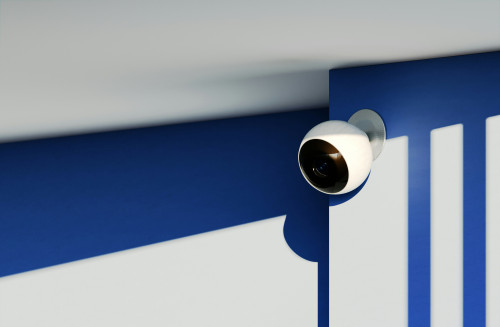
- Video doorbells – show who’s at the door and send alerts when someone arrives.
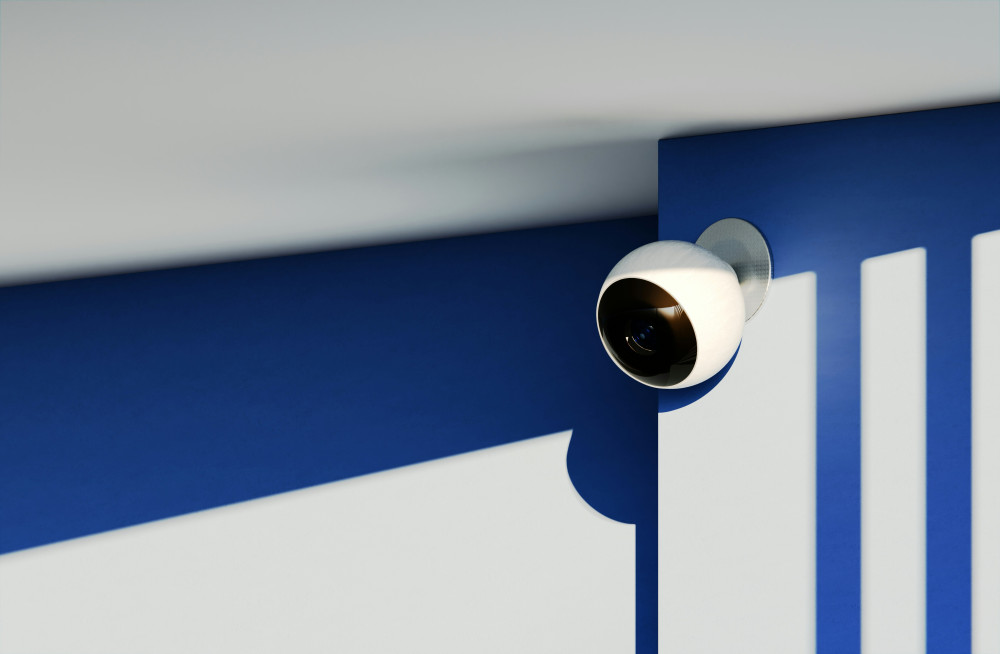
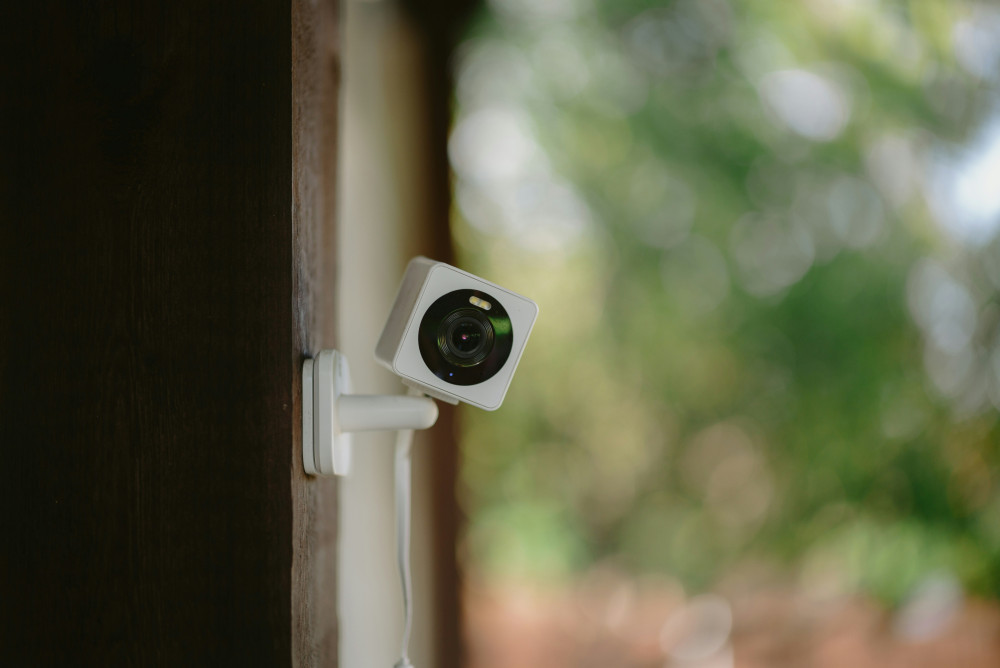
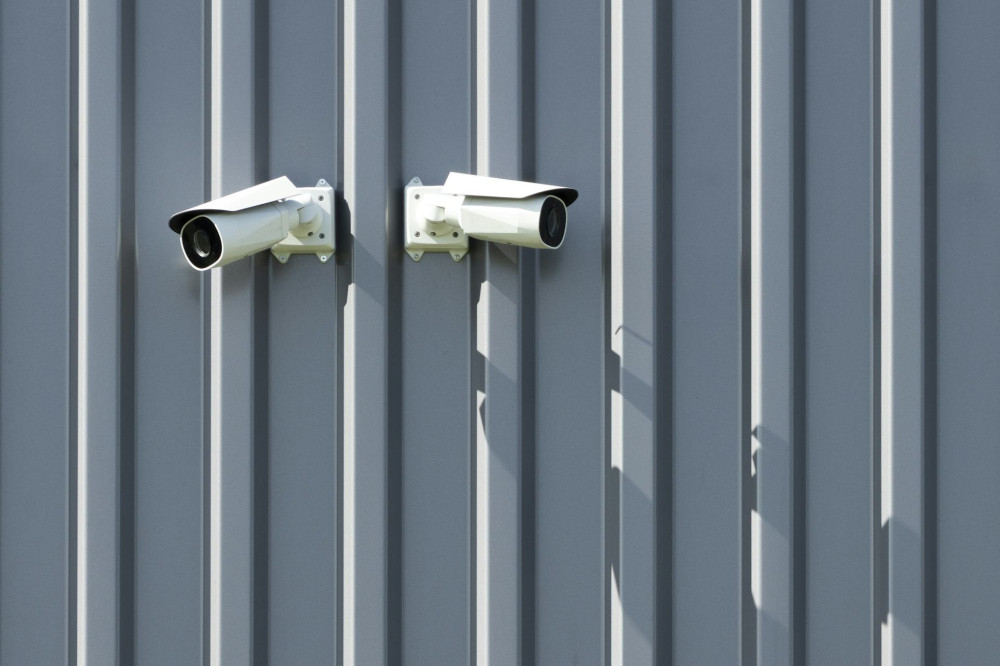
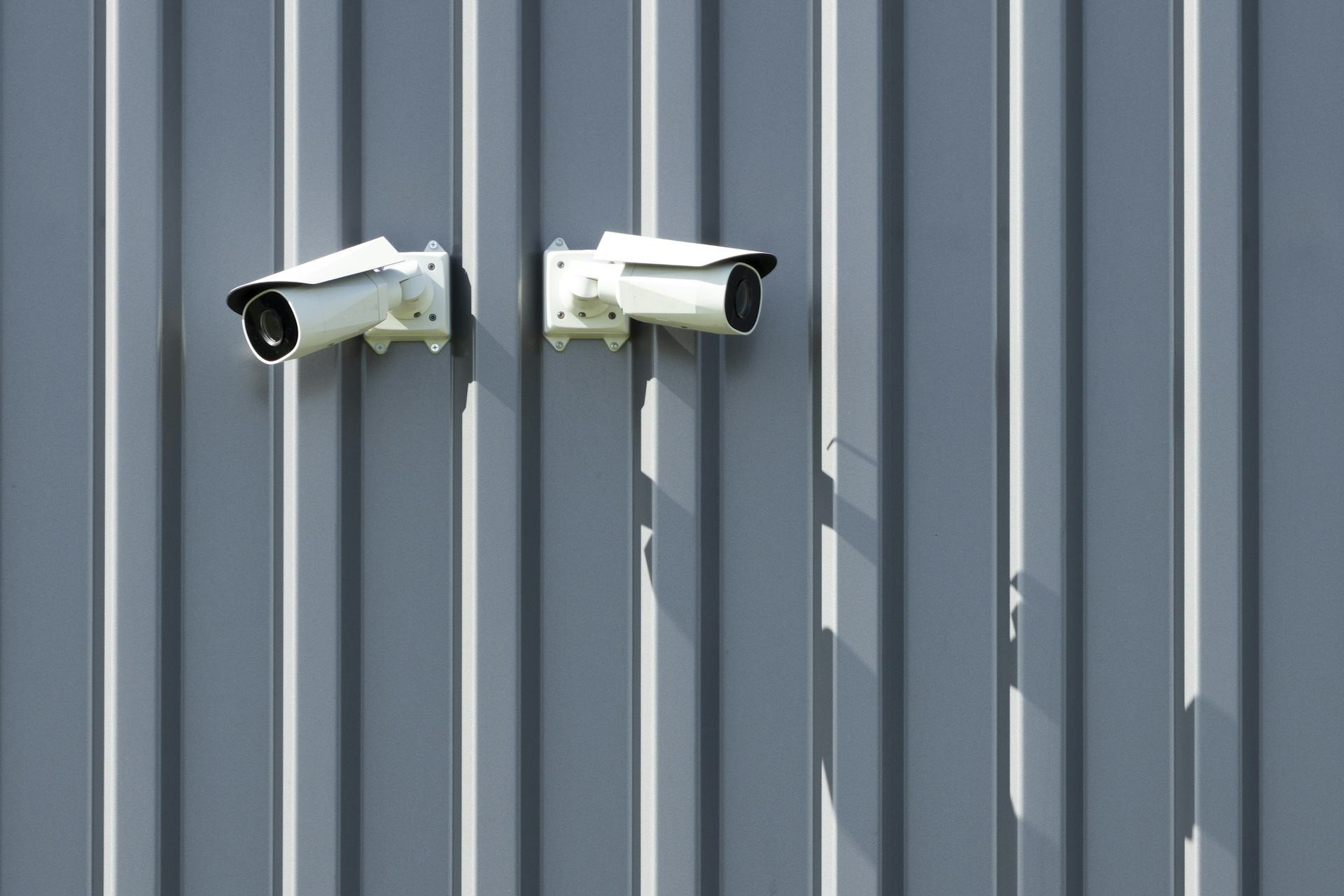
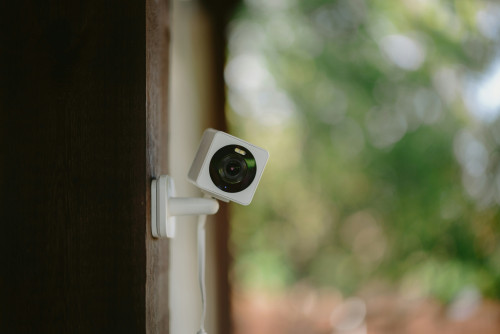
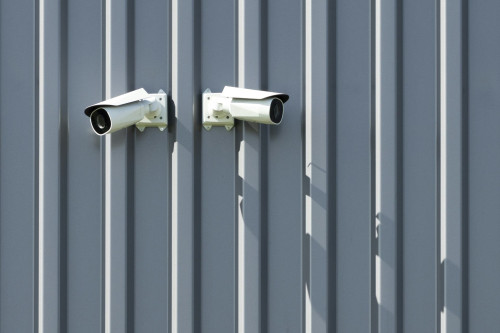
- Outdoor cameras – monitor driveways, yards, and entryways.
- Indoor motion sensors – detect unexpected movement and send notifications.
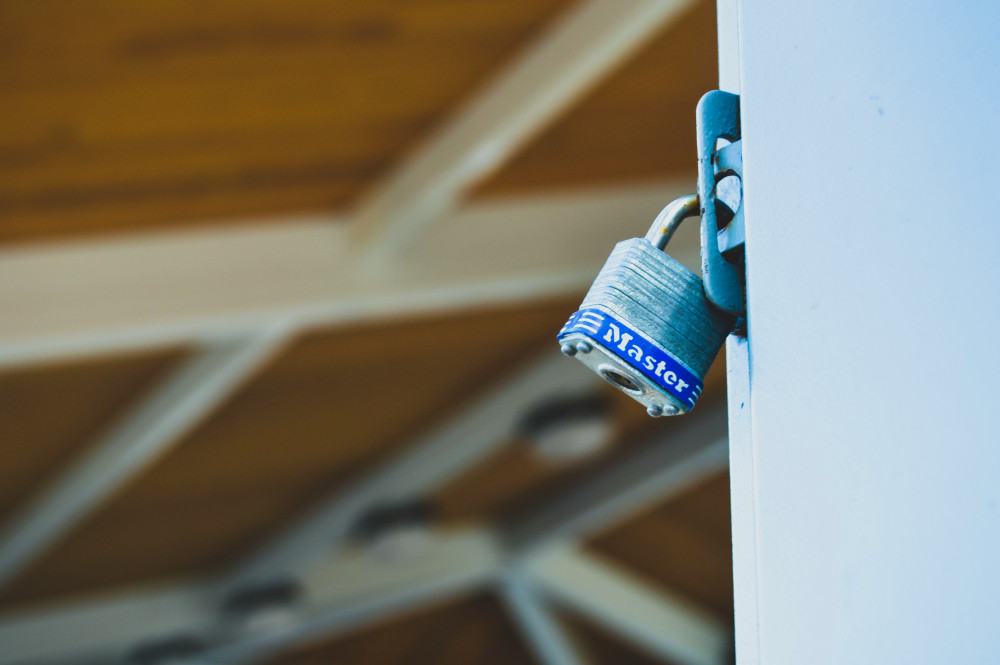
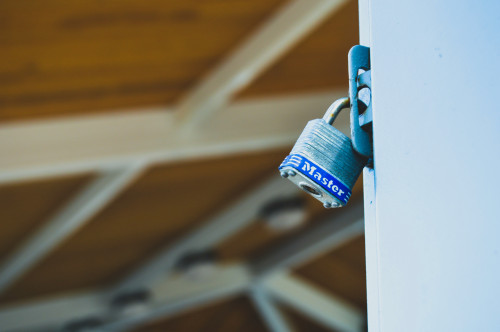
- Smart locks – allow you to unlock the door remotely, so kids don’t need to carry keys.
Many of these systems can be connected to voice assistants like Alexa or Google Home, making it easy to manage everything from lighting to alarms with a few simple commands.
Safety on the Way Home
Surveillance can also extend beyond the home. GPS watches and smartphone apps allow parents to track their children’s route home in real time. This can be especially helpful for younger kids who are still learning to navigate their neighborhood.
But again, balance is essential. Use tracking as a safety net, not as constant monitoring. Agree with your child that you’ll only check their location if they’re late or take an unexpected route. This builds trust and teaches responsibility.
Privacy and Ethics: Setting Boundaries
While surveillance can bring comfort, it’s important to think carefully about how and where it’s used. Cameras should not record public sidewalks or neighbors’ property, and video footage should be stored securely and deleted when no longer needed.
Discuss with your family how data and recordings are handled. Transparency helps everyone feel respected and ensures that safety doesn’t come at the cost of privacy.
Safety as a Shared Effort
Surveillance should be part of a broader approach to safety—one that includes communication, community, and awareness. Get to know your neighbors, set up neighborhood watch groups, and teach your children what to do if something feels wrong.
When used thoughtfully, surveillance can be a valuable tool for creating peace of mind and ensuring that children return home safely every day. It’s not about watching—it’s about caring, connecting, and keeping families secure.
Læs også: