Use Data from Smart Systems for Safer and More Energy‑Efficient Choices

Use Data from Smart Systems for Safer and More Energy‑Efficient Choices
As our homes and communities become more connected, the amount of data available to help us make smarter decisions is growing rapidly. Smart systems—from thermostats and lighting controls to electric vehicles and home security devices—collect continuous information about how we live and use energy. When we put that data to work, we can make our homes safer, more comfortable, and more energy‑efficient.
But how do we turn all that information into meaningful action? Here’s how data from smart systems can help American households make better choices every day.
Data as the Key to a Safer Home
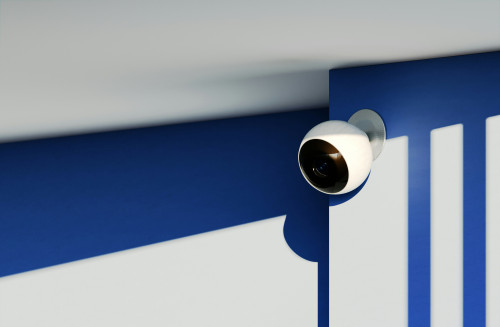
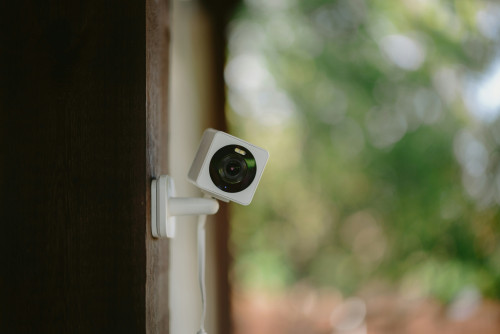
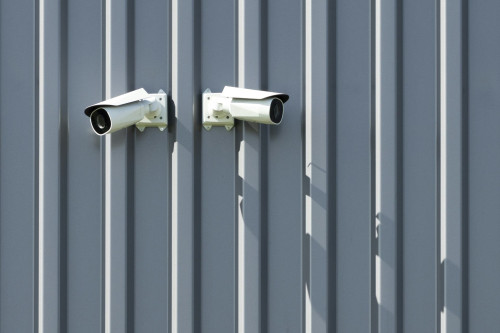
Smart security systems are no longer reserved for large properties or businesses. Today, homeowners can install sensors that detect motion, smoke, water leaks, or open doors and windows. When these devices are connected, they provide a complete picture of what’s happening in your home—and can alert you before small issues become big problems.
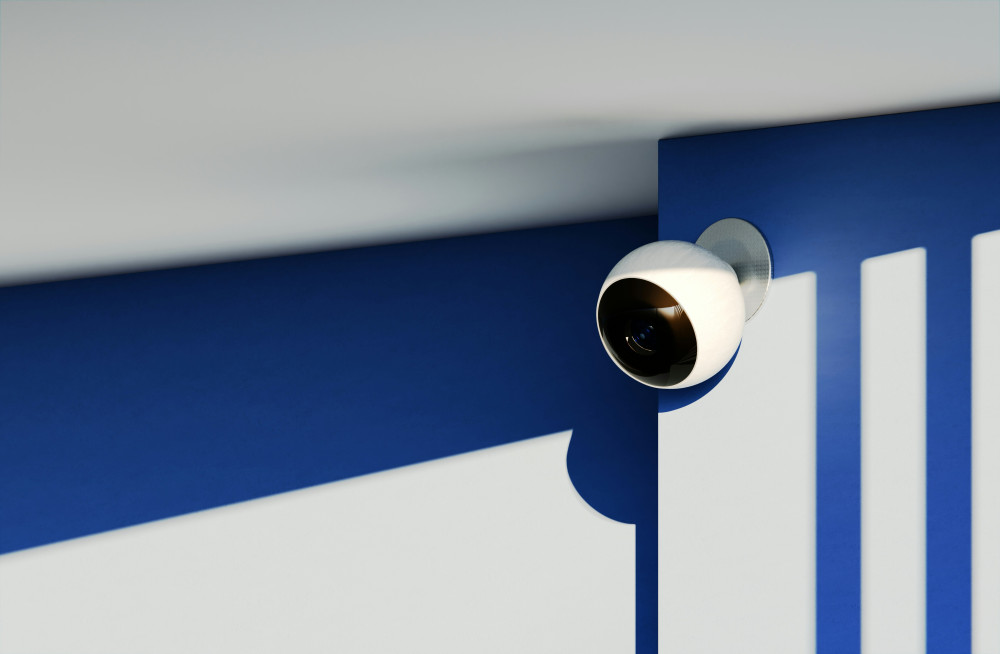
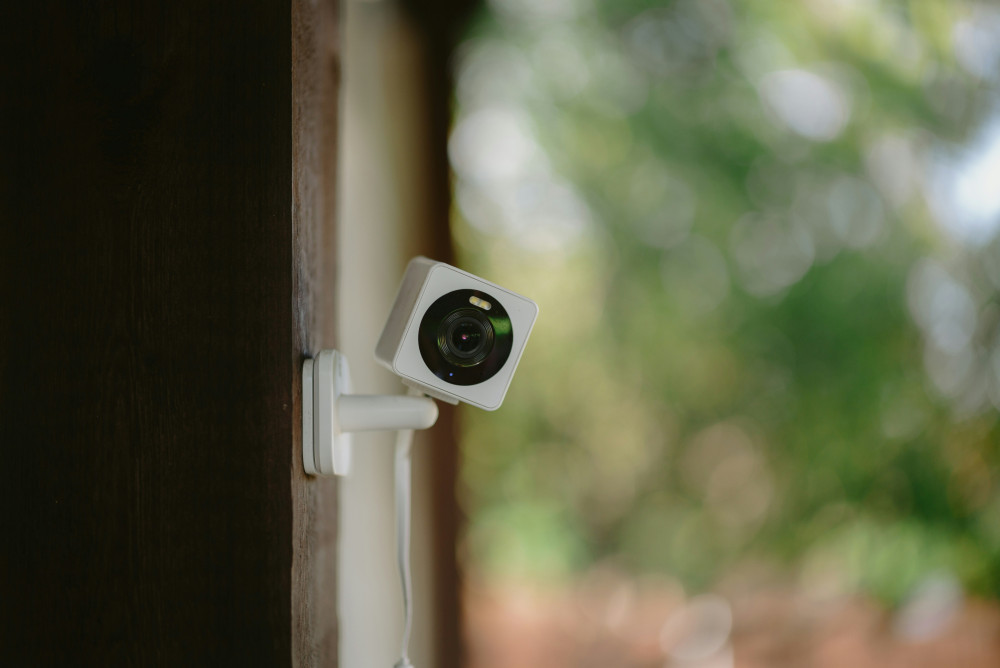
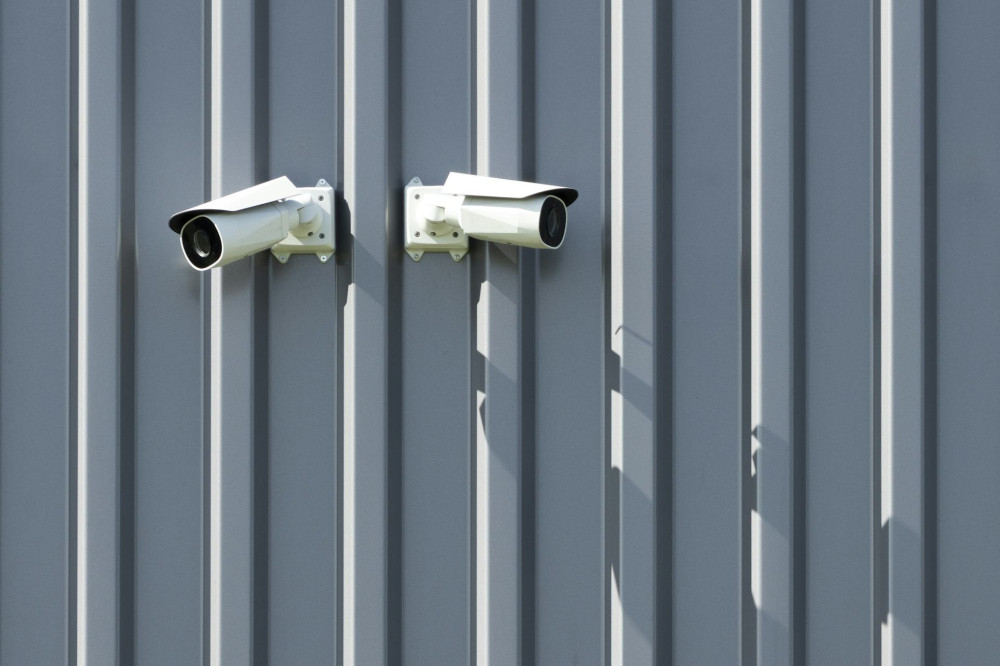
For example, a water sensor near your washing machine can send an alert to your phone if it detects moisture, allowing you to act before a leak causes damage. Smart cameras and motion detectors can also analyze patterns of activity. If the system notices something unusual, it can automatically turn on lights or notify you through an app. In this way, data becomes an active tool for preventing accidents and break‑ins.
Saving Energy Through Insight
One of the most tangible benefits of smart data is energy savings. Smart thermostats, energy monitors, and lighting systems can show exactly when and how you use electricity—and where you can cut back.
By analyzing your usage over time, these systems can suggest changes that lower both your utility bills and your carbon footprint. For instance, a smart thermostat can learn your daily routine and automatically adjust heating or cooling when you’re away. Many U.S. utilities now offer apps that let you track your energy use hour by hour, helping you shift high‑consumption activities—like running the dryer or charging an EV—to times when electricity is cheaper and cleaner.
Læs også:
When Systems Work Together
The biggest benefits come when smart systems communicate with each other. A connected home—where lighting, HVAC, and security systems share data—can respond dynamically to weather, time of day, and occupancy.
Imagine this: when you leave for work, your home detects no movement, lowers the thermostat, turns off unnecessary lights, and arms the security system. When you return, it brightens the entryway and restores a comfortable temperature. This kind of automation depends on data sharing between devices, but it can be done securely if you choose systems with strong privacy protections and regular software updates.
Security and Privacy Go Hand in Hand
Whenever data is involved, privacy is a natural concern. Many Americans worry about who has access to information about their habits and energy use. That’s why it’s important to choose products that give you control over your data. Always read how manufacturers handle information, and keep your devices updated to protect against vulnerabilities.
A good practice is to place your smart devices on a separate, secure Wi‑Fi network, isolated from personal computers and files. This helps reduce the risk of misuse while preserving the benefits of a connected home.
Turning Data into Action
Data alone doesn’t make a difference—it’s what you do with it that counts. Use the insights from your smart systems to adjust your habits and routines.
- Review your energy reports regularly and set goals for savings.
- Treat alerts from sensors as reminders for maintenance or safety checks.
- Share your experiences—many local utilities and community programs encourage residents to exchange tips on smart home solutions.
By combining technology with mindful choices, you can create a home that’s safer, more sustainable, and more comfortable to live in.
A Smarter Home Is a Safer Home
Smart systems aren’t just about convenience or gadgets—they’re about using knowledge to live better. When data is used responsibly, it can bring peace of mind, lower bills, and a smaller environmental impact.
The home of the future isn’t defined by how many devices it has, but by how intelligently it uses information. Understanding and applying the data from your smart systems is the first step toward making choices that benefit you, your family, and the planet.
Læs også: