Choose the Right Mortar for Your Bricks and Surfaces

Choose the Right Mortar for Your Bricks and Surfaces
When you’re building, repairing, or resurfacing a wall, choosing the right mortar is essential for both durability and appearance. The right mortar allows your masonry to breathe, move, and withstand the elements—while the wrong type can lead to cracks, flaking, or moisture damage. Here’s a guide to help you select the best mortar for your bricks and surfaces.
What Is Mortar—and Why Does the Type Matter?
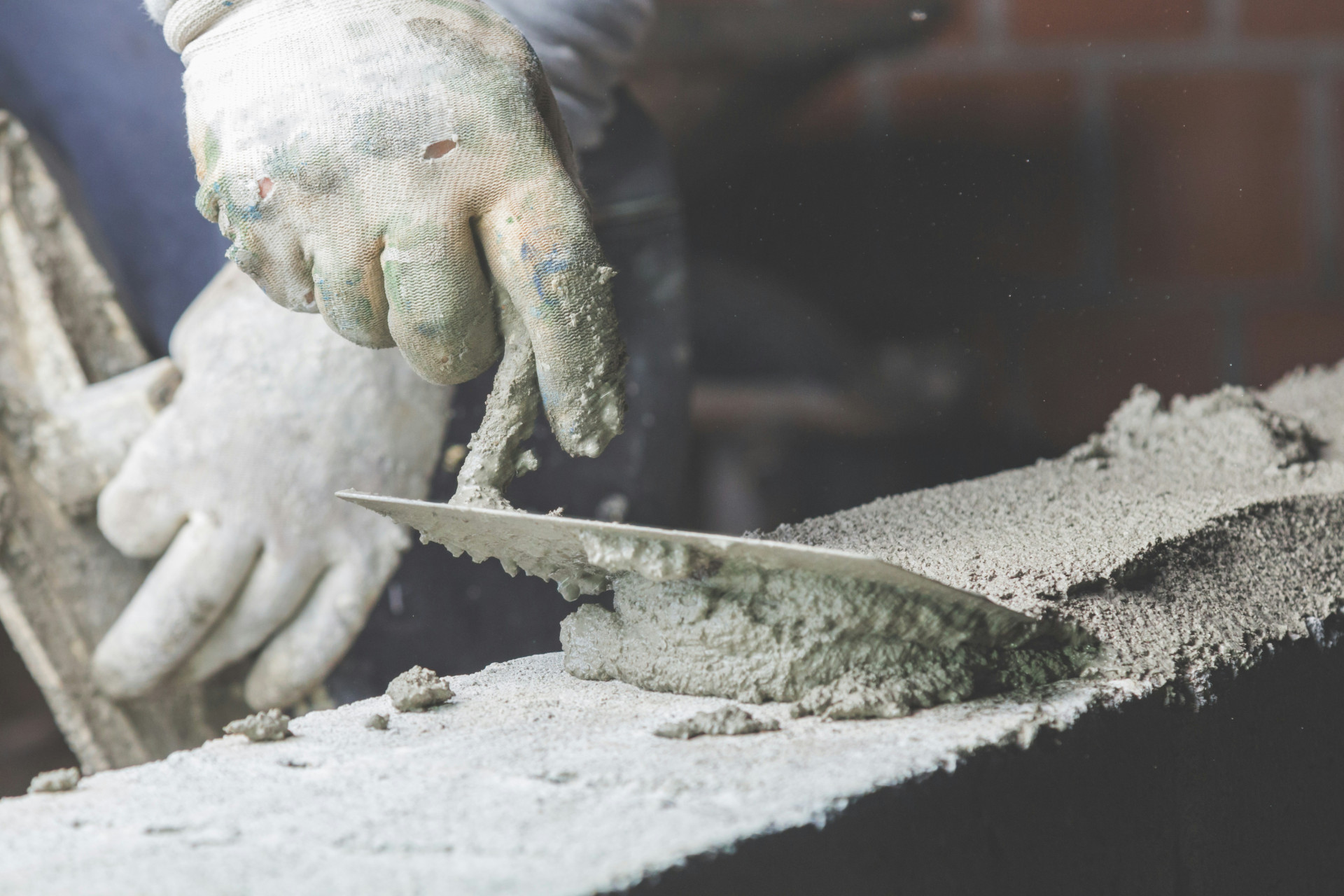
Mortar is a mixture of a binder, sand, and water used to hold bricks together or coat surfaces. The binder can be lime, cement, or a combination of both. The differences between mortar types lie in their strength, flexibility, and ability to absorb and release moisture.
- Lime mortar is soft and flexible. It allows the wall to breathe and is ideal for older buildings where materials need to move slightly without cracking.
- Cement mortar is strong and water-resistant but less flexible. It’s commonly used in modern construction where bricks and structures are more stable.
- Lime-cement mortar (blended mortar) combines the properties of both and is often used for general residential masonry work.
Choosing the right type means matching the mortar’s properties to the brick’s strength and the building’s age and purpose.
Læs også:
For Historic Masonry: Choose a Soft, Breathable Mortar
In older homes—especially those built before the mid-20th century—bricks are often softer and more porous than modern ones. In these cases, it’s important to use a mortar that is weaker than the brick itself. This ensures that any movement or moisture expansion is absorbed by the mortar joint, not the brick.
Lime mortar or a weak lime-cement mix is the best choice. These mortars allow moisture to evaporate through the joints, helping the wall dry naturally. Using a hard cement mortar on old brick can trap moisture inside the brick, leading to spalling and freeze-thaw damage over time.
For Modern Construction: Use a Stronger Mortar
In newer homes, where bricks are harder and the structure is more rigid, a stronger mortar can be used. Cement mortar or lime-cement mortar provides a tight, durable joint that resists rain and mechanical stress.
For exterior walls exposed to heavy rain or wind, a mortar with a higher cement content can offer better water resistance and lower maintenance. Just make sure the mortar’s strength still matches the brick’s—too strong a mix can cause cracking or separation.
For Plastering and Repairs: Match the Substrate
When plastering a wall or repointing old joints, it’s crucial to choose a mortar that’s compatible with the existing material.
- For plastering old masonry: Use a lime mortar that can move with the wall and allow it to breathe.
- For plastering concrete or modern brick: A lime-cement mortar provides better adhesion and strength.
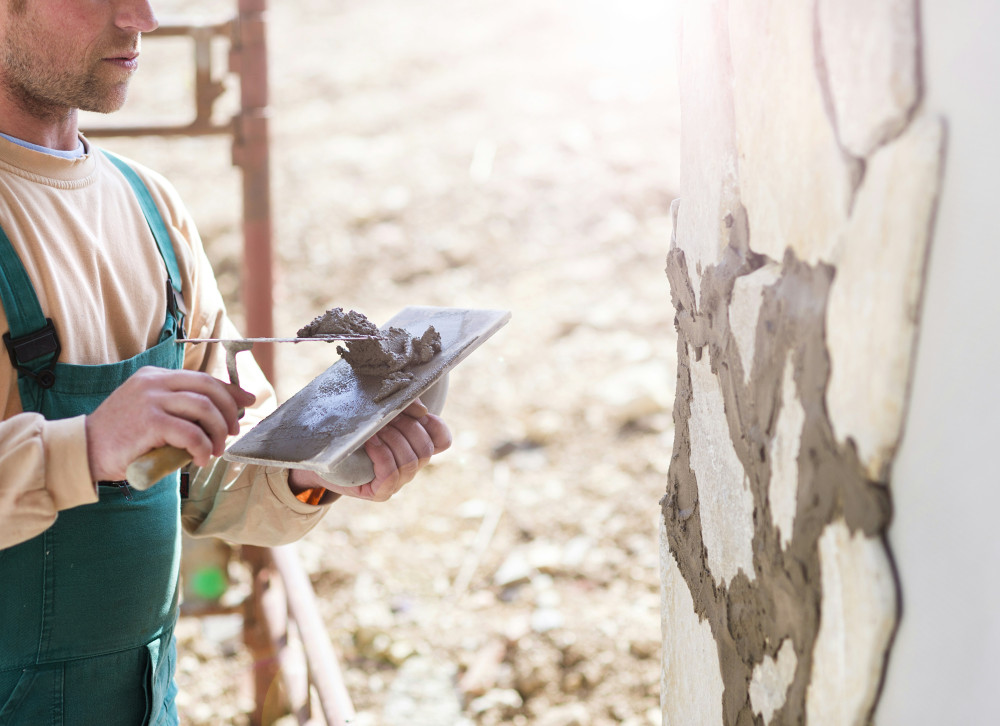
- For repointing joints: Carefully remove the old mortar and replace it with a new mix that matches the original in composition and texture. This ensures the joints perform consistently with the rest of the wall.
It’s a good idea to make a small test patch first—especially on visible areas. Color and texture can vary depending on the sand type and mix ratio.
How to Mix Mortar Correctly
While pre-mixed mortars are widely available, you can also mix your own for more control over strength and consistency. A typical ratio for lime-cement mortar is:
- 1 part cement
- 1 part hydrated lime
- 6 parts sand
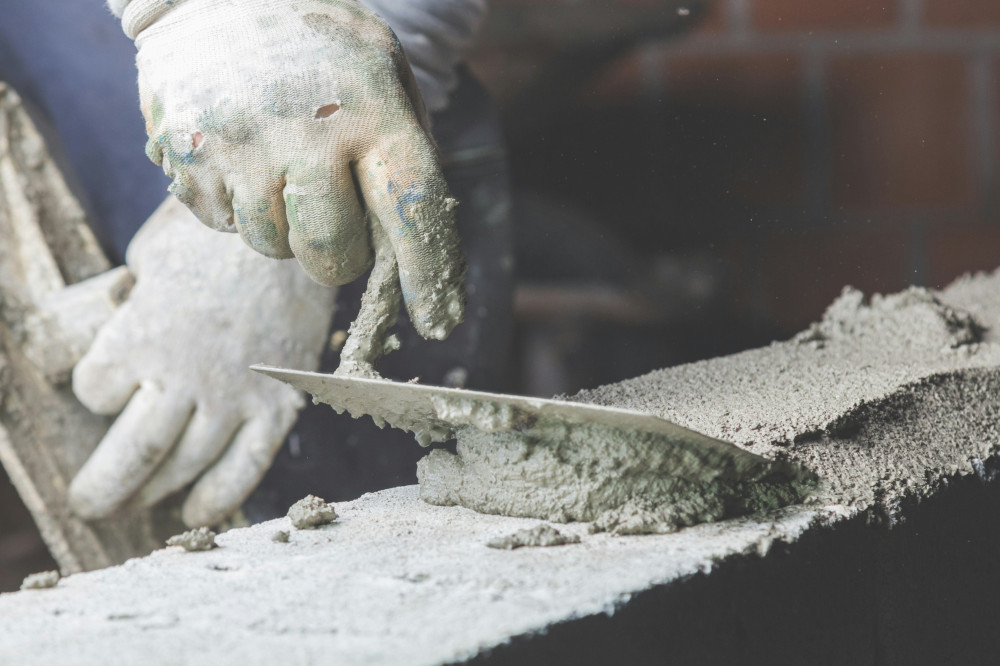
Add water gradually until the mortar reaches a smooth but firm consistency. Use clean sand and water—impurities can weaken the mix. And remember, never use mortar that has started to set in the bucket.
Common Mistakes to Avoid
Many masonry problems stem from using the wrong mortar or poor application. Here are some common pitfalls:
- Using mortar that’s too hard for soft bricks – can cause cracking and spalling.
- Not dampening the surface before applying mortar – dry bricks can draw water out of the mix, preventing proper curing.
- Applying joints that are too thick – thick joints are more likely to crack as the mortar dries.
- Working in extreme temperatures – freezing or hot, dry conditions can weaken the mortar as it sets.
By considering materials, weather, and technique, you can ensure a long-lasting, professional result.
The Right Mortar Keeps Masonry Healthy
Choosing the right mortar isn’t just about looks—it’s about the health of your building. A mortar that matches the brick’s strength and the structure’s age will extend the life of your masonry and reduce future repairs.
Whether you’re repointing, plastering, or building new, taking the time to select the right mortar will pay off in durability, appearance, and peace of mind for years to come.
Læs også: