The Structure of Masonry – Understanding the Individual Layers and Their Functions

The Structure of Masonry – Understanding the Individual Layers and Their Functions
Masonry is one of the oldest and most enduring building methods in the world. From historic brick townhouses to modern homes, its strength and character depend on how it is built. Behind the visible brick or stone surface lies a carefully designed system of layers, each serving a specific purpose—from carrying the building’s weight to keeping out moisture and cold. Here’s a closer look at how masonry walls are structured and what each layer contributes to the whole.
The Basic Structure of a Masonry Wall
A traditional masonry wall is made up of several layers that work together to create a strong, weather-resistant construction. The main components are:
- Exterior wythe (facade) – the visible outer layer that protects against rain, wind, and temperature changes.
- Air cavity – a narrow space that allows ventilation and prevents moisture from reaching the inner wall.
- Insulation – keeps heat inside during winter and outside during summer, improving energy efficiency.
- Backup wall – the structural layer that supports the building’s weight.
- Mortar joints and wall ties – small but essential elements that bind the layers together and ensure the wall acts as one unit.
While the exact composition can vary depending on the building’s age, region, and purpose, the principle remains the same: each layer plays a vital role in creating a durable and healthy wall system.
Læs også:
The Exterior Wythe – The Building’s Protective Skin
The outer wythe is what you see from the street. In the U.S., it’s often made of brick, stone, or concrete masonry units (CMUs). This layer not only defines the building’s appearance but also shields it from rain, snow, and sunlight.
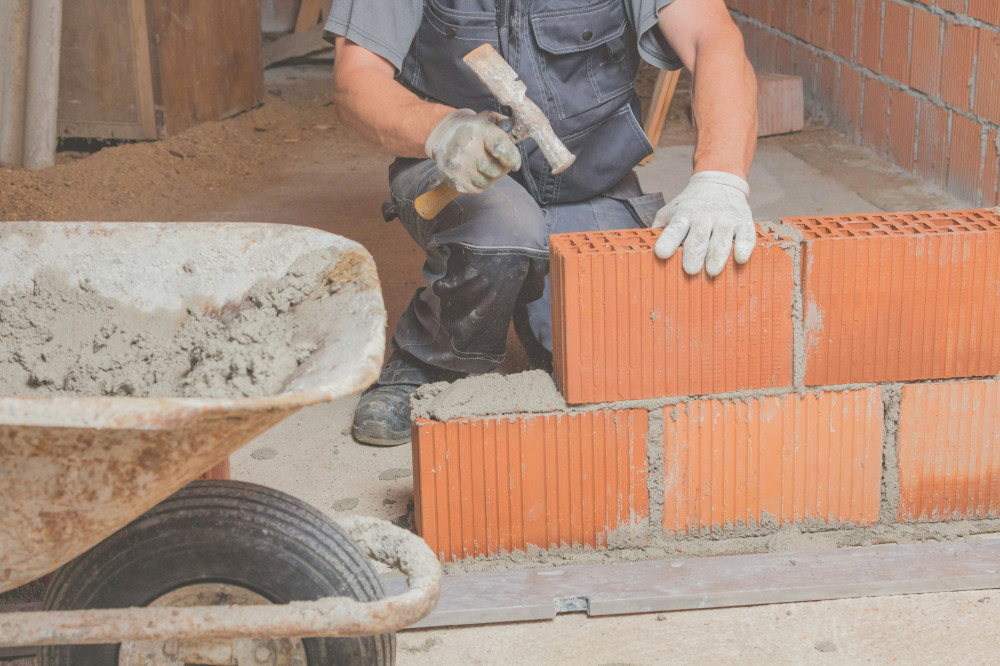
A well-built exterior wythe must be both watertight and breathable. Mortar joints—the “seams” between bricks—are crucial for this balance. They must be properly filled and tooled to prevent water penetration while allowing moisture from inside the wall to escape.
The Air Cavity – Hidden Ventilation in the Wall
Between the exterior wythe and the insulation lies an air cavity, typically about one inch wide. This space acts as a drainage and ventilation channel. Any water that seeps through the outer layer can drain down and exit through small openings called weep holes at the base of the wall.
Proper airflow in this cavity helps keep the wall dry and prevents mold or freeze-thaw damage. It’s important that the cavity remains clear of mortar droppings or debris so that air and moisture can move freely.
The Insulation – Comfort and Energy Efficiency
Behind the air cavity sits the insulation layer. In older American homes, insulation may be minimal or absent, but modern construction standards require substantial insulation to meet energy codes. Materials such as rigid foam boards, mineral wool, or spray foam are commonly used.
Good insulation reduces heating and cooling costs and makes indoor spaces more comfortable. However, it must be installed correctly—gaps or compressed areas can create cold spots and allow condensation, which may damage the wall over time.
The Backup Wall – The Structural Backbone
The backup wall, sometimes called the inner wythe, is the load-bearing part of the masonry system. It can be built from concrete block, poured concrete, or structural brick, depending on the design. This layer supports the weight of floors, roofs, and upper stories, transferring the load down to the foundation.
In modern cavity wall construction, the backup wall provides the strength, while the exterior wythe serves mainly as a protective and decorative shell. The two layers are connected by wall ties—metal connectors that keep them aligned and stable.
Mortar Joints and Wall Ties – Small Details with Big Impact
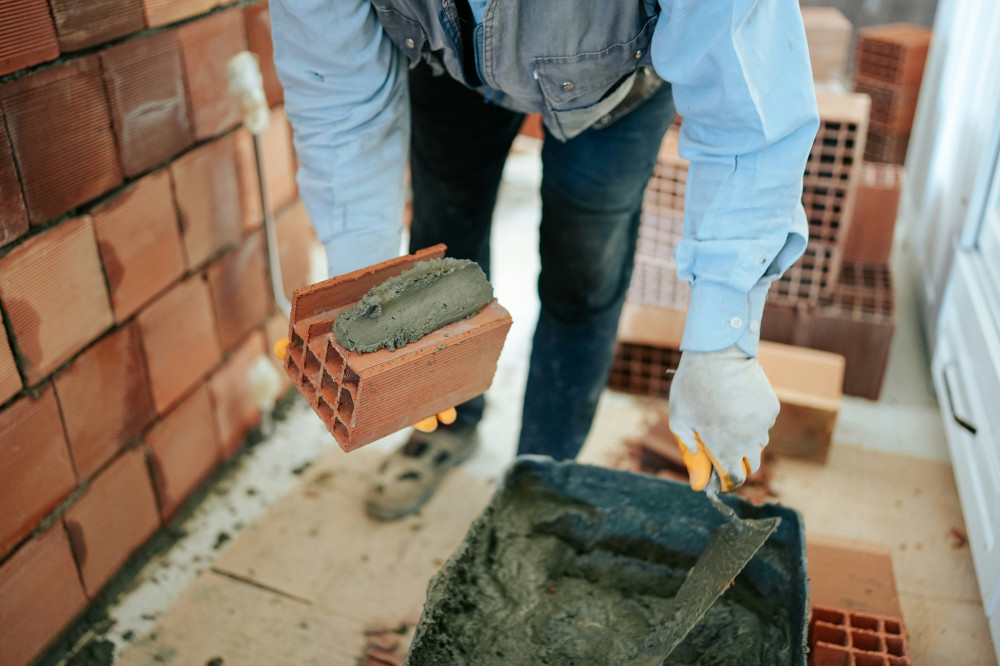
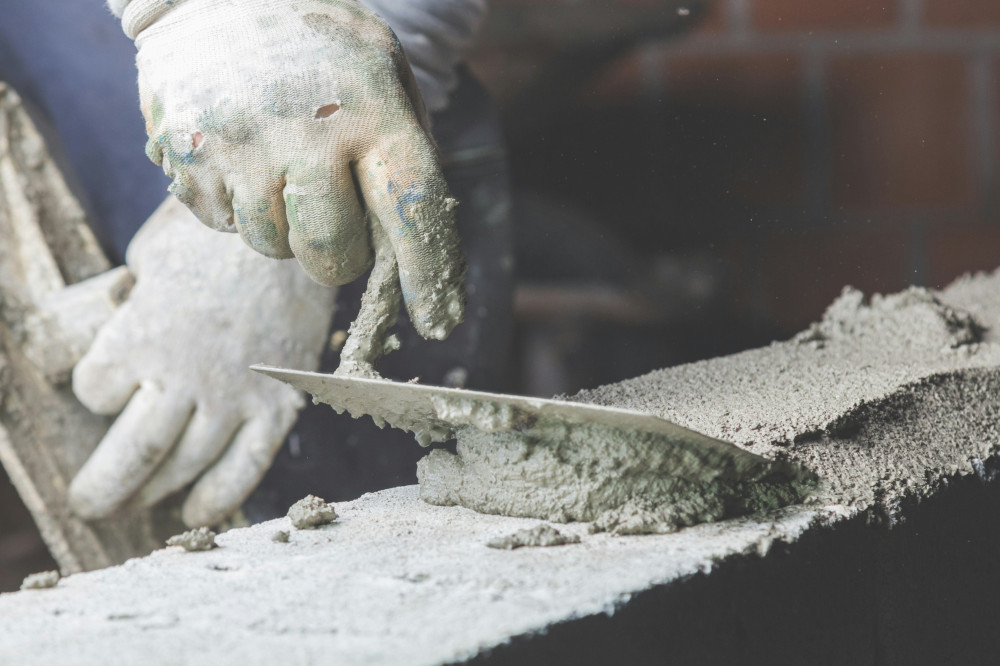
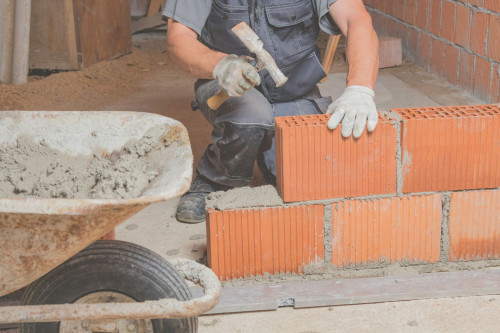
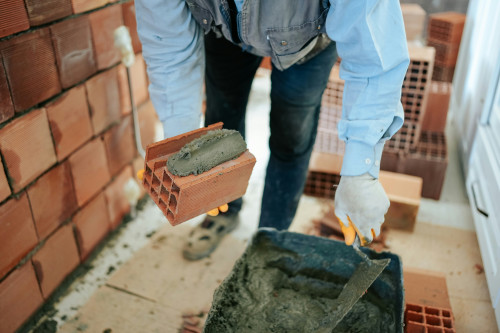
Mortar joints make up a significant portion of a masonry wall’s surface area and are key to its durability. Properly mixed and applied mortar seals the wall against water and wind while allowing slight movement without cracking. Over time, joints can deteriorate and may need repointing—the process of renewing the outer layer of mortar to restore the wall’s integrity.
Wall ties, usually made of stainless steel or galvanized metal, link the outer and inner wythes. They must be corrosion-resistant and correctly spaced. If ties fail or rust, the wall can develop cracks or even separate, compromising safety.
Maintenance – Keeping Masonry in Good Condition
Even the best masonry requires regular care. Inspect walls periodically for cracks, loose mortar, or discoloration—these can signal moisture problems. Clean surfaces gently with a soft brush or mild detergent; avoid high-pressure washing, which can erode mortar and brick faces.
If you own an older home, consider having a professional mason assess the wall’s condition. They can recommend repairs, repointing, or insulation upgrades to extend the life of the structure.
A Balance of Strength and Beauty
Masonry construction is a perfect blend of craftsmanship, engineering, and aesthetics. Each layer has its own function, but together they create a system that is both strong and visually appealing. Understanding how these layers work helps homeowners appreciate the value of good masonry—and maintain it so that it continues to stand firm for generations to come.
Læs også: