Plan Your DIY Project Realistically from the Start

Plan Your DIY Project Realistically from the Start
A do-it-yourself project can be both rewarding and cost-effective—but it can also turn into a source of stress if you don’t plan it properly. Many homeowners dive into renovations, repairs, or builds with enthusiasm but without a clear understanding of time, budget, and skill requirements. The result can be half-finished projects, unexpected expenses, and frustration. Here’s how to plan your DIY project realistically from the start—so you can increase your chances of success and actually enjoy the process.
Start with an Honest Assessment of the Project
The first step is to understand what the project really involves. Are you building a deck, remodeling a bathroom, or just repainting a room? Each type of project demands different levels of time, tools, and expertise.
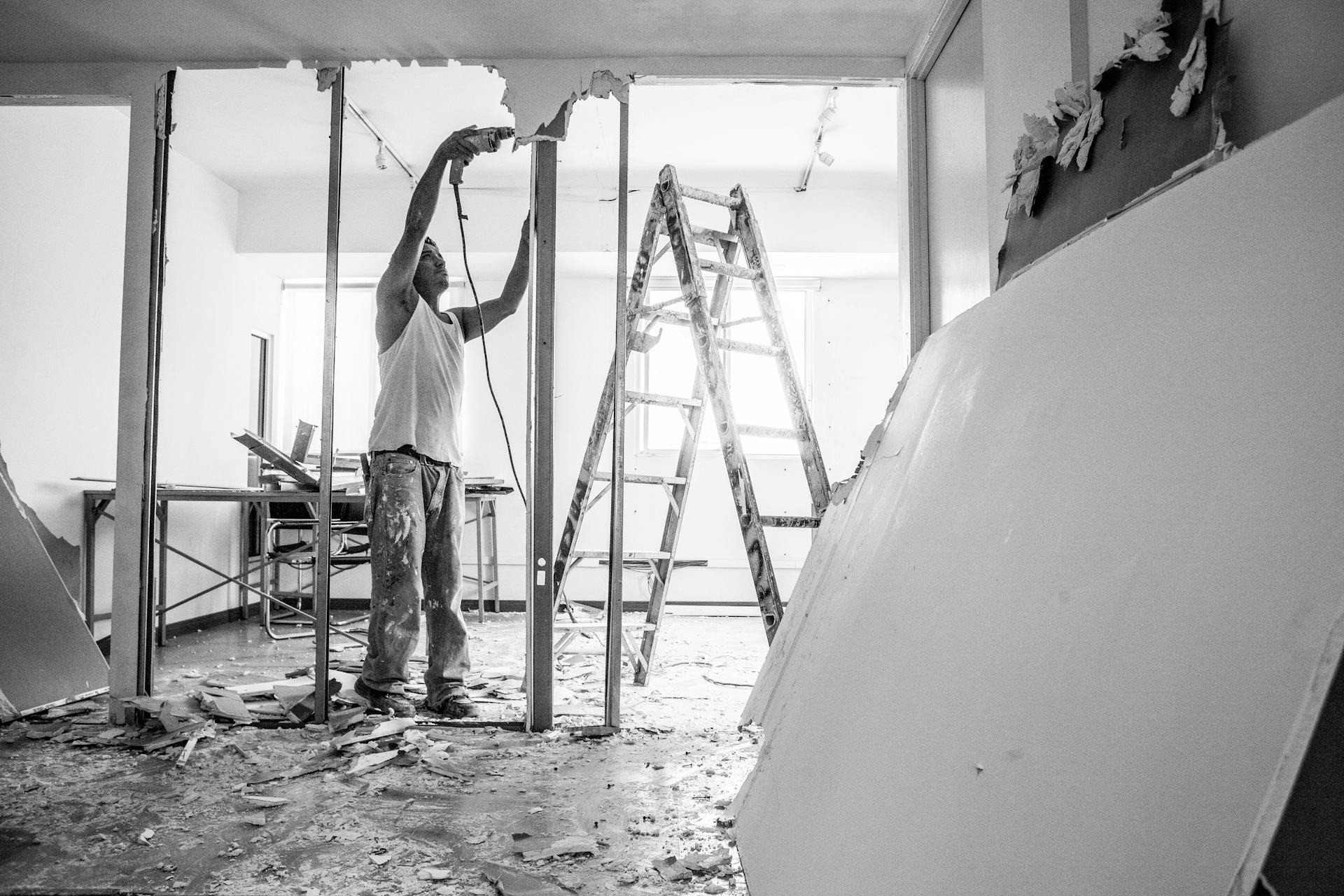
Break the job down into smaller tasks—such as demolition, preparation, materials, assembly, and finishing. This helps you see how much work is truly ahead. Be honest about what you can handle yourself and where you might need help. It’s better to bring in a professional for the tricky parts than to fix costly mistakes later.
Set a Realistic Budget—and Add a Cushion
One of the most common pitfalls in DIY projects is going over budget. Materials often cost more than expected, and there are almost always surprise expenses. That’s why you should add a 10–20 percent cushion to your original budget.
Research material prices early and compare suppliers. Don’t forget to include costs for tools, equipment rentals, and waste disposal. A realistic budget gives you peace of mind and helps you make better decisions as the project progresses.
Plan Your Time—and Allow for Delays
Time is just as valuable as money. Many people underestimate how long a project will take, especially if they can only work on weekends. Create a timeline with milestones, and be realistic about how much you can accomplish at once.
Break the project into manageable phases, and build in extra time for delays—like bad weather, shipping issues, or drying times for paint and concrete. It’s far better to finish early than to have a half-done project dragging on for months.
Know Your Limits—and Get Help When Needed
While it’s tempting to do everything yourself, there are areas where professional help is the smart choice. Electrical and plumbing work often require permits or licensed contractors, and mistakes can be dangerous or expensive. Also consider whether you have the right tools and experience to do the job safely.
Hiring a pro for certain parts doesn’t mean you’re giving up control—it means you’re ensuring the rest of your work is built on a solid foundation.
Choose the Right Materials from the Start
The quality of your materials has a big impact on both the look and durability of your project. Cheap options can be tempting, but they may end up costing more in the long run if they wear out quickly. Research which materials are best suited for your climate and purpose, and learn how to maintain them properly.
Ask for advice at your local home improvement store, read reviews, and look for products that perform well in your region’s weather conditions—whether that means humidity, heat, or freezing temperatures.
Document the Process
It might seem unnecessary, but taking photos and notes along the way is a smart move. It helps you remember how things were built and can be useful if you need to make changes later or sell your home. Documentation can also come in handy for warranty claims or when seeking advice from professionals.
Læs også:
Enjoy the Process—not Just the Result
A DIY project isn’t only about saving money—it’s about creating something with your own hands. It can be a deeply satisfying experience if you take the time to enjoy the work itself. Mistakes and delays are part of the learning process—and often the moments you learn the most from.
When you plan realistically from the start, you’ll not only end up with a better result but also a more enjoyable journey. You’ll avoid stress, stay motivated, and take pride in saying, “I built this myself.”
Læs også: